WASHINGTON (Diya TV) — Director of National Intelligence Tulsi Gabbard on Wednesday declassified a set of documents she claims prove former President Barack Obama and his intelligence officials misled the public about Russia’s role in the 2016 election. The 44-page House Intelligence Committee report, led by Republicans, offers a sharp rebuke of how the Obama-era intelligence community reached key conclusions about Russian interference.
The newly released report claims U.S. spy agencies overstated evidence that Russian President Vladimir Putin wanted Donald Trump to win. The report also alleges the Obama administration intentionally pushed false conclusions to sway public opinion.
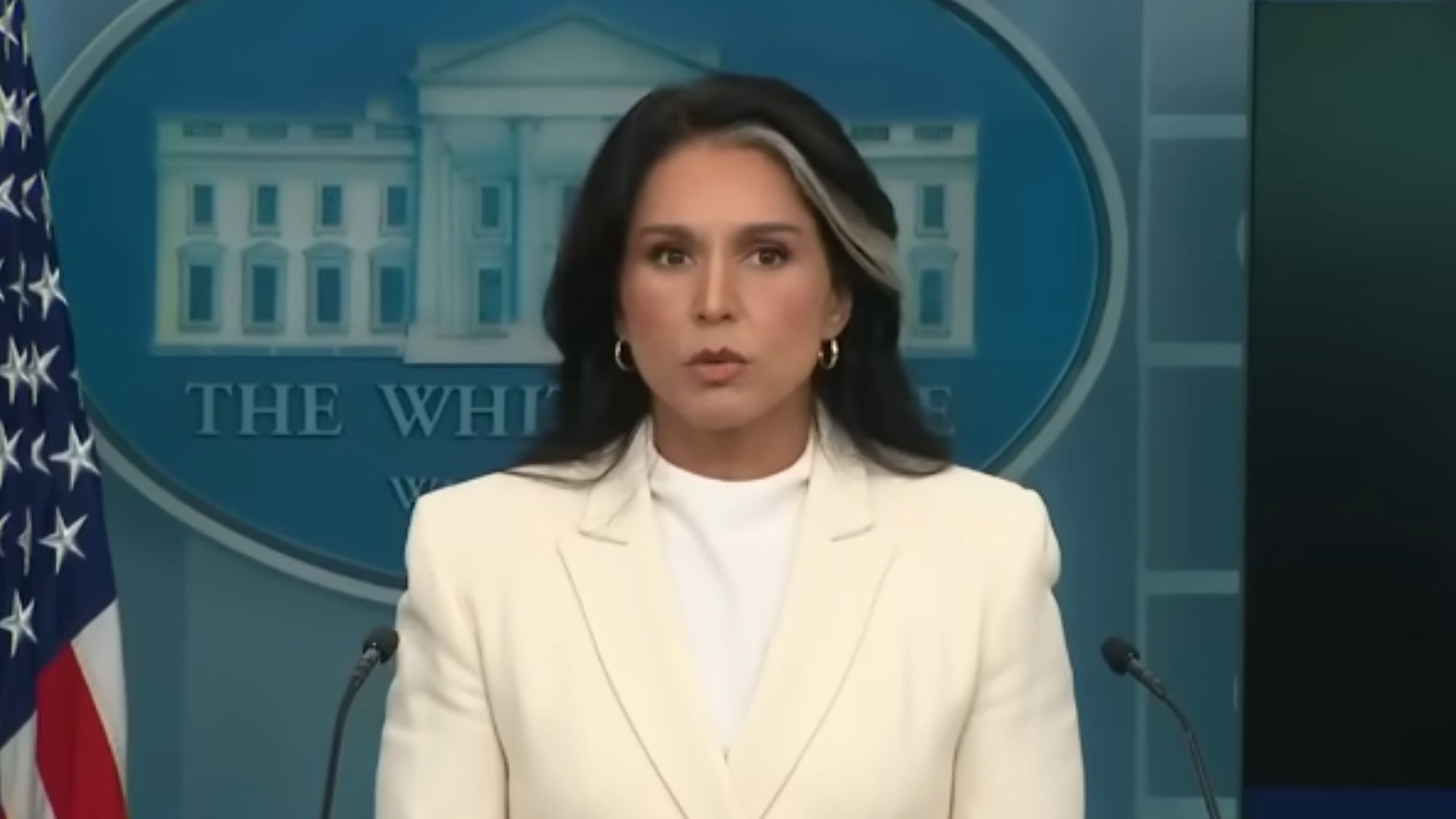
Gabbard made a surprise appearance at the White House to announce the document release. She said the records contain “irrefutable evidence” showing Obama and his top aides knowingly pushed a “false narrative” about Russian election meddling. She accused intelligence leaders of running a “treasonous conspiracy” and described their actions as part of a “years-long coup” aimed at undermining Trump.
Gabbard’s remarks follow earlier document releases this week. Those files, she claimed, also showed that top intelligence officials had been dishonest about their sources and methods. The House Intelligence report focuses on how the intelligence community reached its third major judgment: that Putin wanted Trump to win the 2016 election. The review found that conclusion was based on what it called a “scant, unclear and unverifiable fragment” from a single source.
The report also criticized then-CIA Director John Brennan for pushing that conclusion over objections from analysts beneath him. It said Brennan insisted on including that finding after Trump’s surprise victory. Despite these criticisms, the report does not dispute that Russia carried out influence operations and cyberattacks targeting Hillary Clinton. It also accepts that Russia aimed to undermine American democracy in general.
One controversial part of the report claims Russian intelligence obtained damaging information about Clinton’s health. It says hacked Democratic National Committee emails described “psycho-emotional problems” and a “daily regimen of heavy tranquilizers.” However, no such information was ever made public by Russia, and the claims remain unverified.
The report suggests this was a sign Russia did not act fully in Trump’s favor, since they withheld damaging content. Intelligence officials under Obama, the report argues, failed to consider such alternatives when assessing Putin’s motives. Top Democrats denounced the release of the report. They said it risks national security and plays into Trump’s hands.
Sen. Mark Warner (D-Va.), vice chair of the Senate Intelligence Committee, called the release “reckless.” He accused Gabbard of betraying classified sources and politicizing intelligence.
Rep. Jim Himes (D-Conn.), also on the House Intelligence Committee, echoed those concerns. He noted that the bipartisan Senate review found no serious flaws in the intelligence community’s process. The declassified House report comes after a similar review released this month by CIA Director John Ratcliffe. That report also criticized intelligence methods but used more cautious language than Gabbard.
Unlike the House report, the Senate Intelligence Committee’s multi-year review upheld the intelligence community’s main conclusions. It was led by Republicans, including then-Sen. Richard Burr (R-N.C.) and Sen. Marco Rubio (R-Fla.). Still, the House report recommends changes to how intelligence is handled during political transitions. It suggests stronger peer review and rules requiring political appointees to recuse themselves from politically sensitive reports.
President Trump praised Gabbard for releasing the documents. On Tuesday, he called her “the hottest one in the room right now,” suggesting she is back in favor within his political circle. The release has reignited debates over how U.S. intelligence agencies operate during presidential elections. It also raises questions about the influence of partisan politics on national security decisions.