NEW DELHI (Diya TV) — Tensions between India and the United States have risen after deadly attacks on commercial vessels in the Strait of Hormuz left three Indian seafarers dead and triggered strong diplomatic protests from New Delhi.
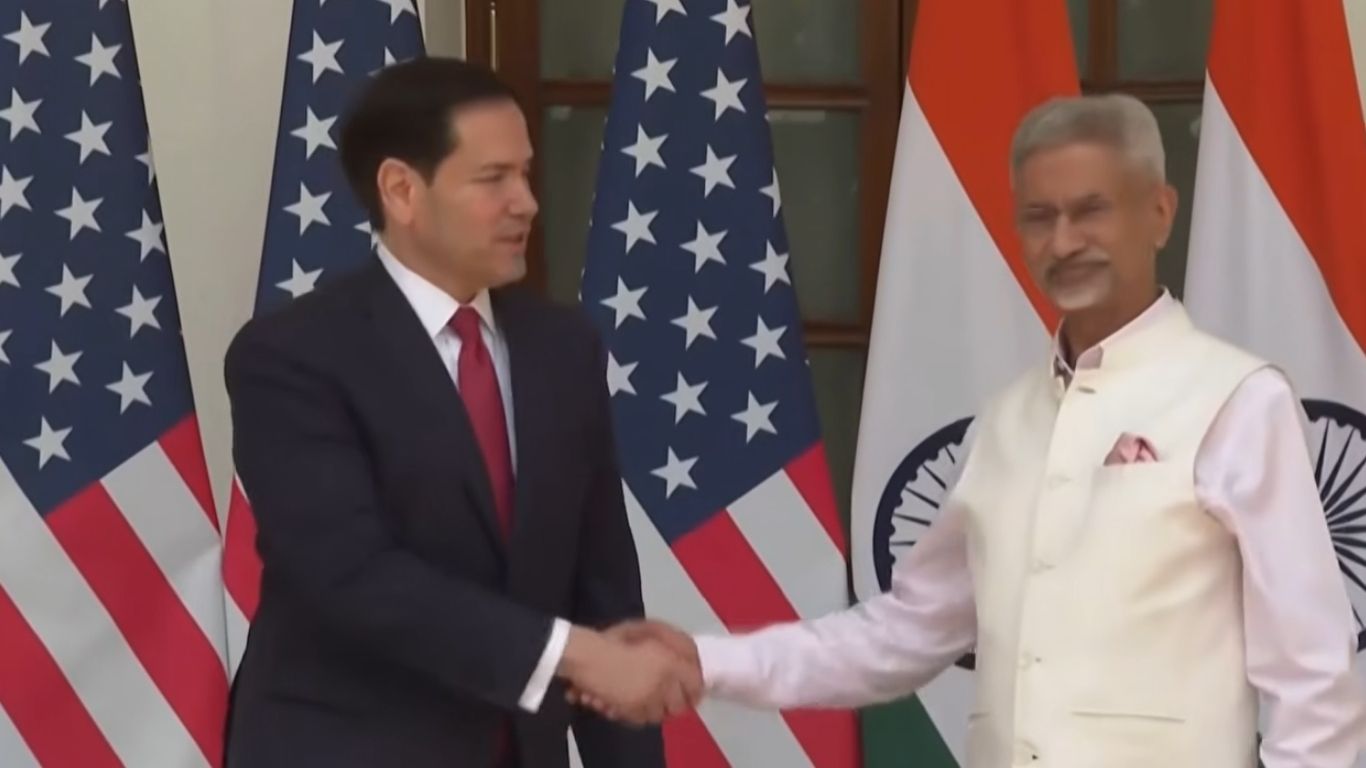
U.S. Secretary of State Marco Rubio told India’s External Affairs Minister S. Jaishankar that Washington would not tolerate any violation of the U.S.-enforced blockade in the Strait of Hormuz. Rubio’s remarks came during a phone conversation between the two leaders following India’s sharp criticism of recent U.S. military actions in the Gulf region.
India strongly condemned the attacks after a U.S. strike hit the Palau-flagged oil tanker MT Settebello off the Oman coast. The incident killed three Indian mariners and raised concerns about the safety of commercial shipping in one of the world’s most important energy routes.
New Delhi summoned U.S. Chargé d’Affaires Jason Meeks twice during the week. The first meeting focused on the attack on MT Settebello. The second followed another reported attack on a merchant vessel carrying 20 Indian crew members in the same area. The back-to-back diplomatic summons highlighted India’s growing concern over the security risks facing Indian sailors and merchant ships operating in the Gulf.
Following the conversation between Rubio and Jaishankar, the U.S. Department of Justice released a statement outlining Washington’s position. According to the statement, Rubio emphasized that all commercial vessels should immediately comply with orders issued by U.S. forces operating in the Strait of Hormuz.
He said the United States seeks to maintain peace and security in the strategic waterway. Rubio also stressed that violations of the U.S. blockade and the transport of Iranian oil would not be tolerated. The comments signaled a firm U.S. stance despite India’s objections over the recent attacks and loss of life.
Jaishankar used the call to express India’s strong dissatisfaction with the incidents. He reiterated New Delhi’s protest against actions that resulted in civilian casualties.
In a post on X, Jaishankar said he had spoken with Rubio and conveyed India’s position directly.
He said India strongly objected to the attacks carried out by the U.S. Navy in the Gulf that killed three Indian mariners. He added that lethal actions against commercial shipping were not justified. The remarks reflected India’s concern that military operations in the region could endanger innocent crew members working aboard merchant vessels.
The Strait of Hormuz is one of the world’s most critical shipping lanes. A significant share of global oil exports passes through the narrow waterway between the Persian Gulf and the Gulf of Oman.
Any disruption in the region can affect global energy markets, international trade, and maritime security.
The latest dispute comes amid heightened tensions surrounding Iranian oil shipments and efforts by the United States to enforce restrictions in the area. Commercial vessels traveling through the Strait of Hormuz face increasing risks as geopolitical tensions continue to rise.
The deaths of Indian sailors have added a new layer of complexity to U.S.-India relations. While both countries maintain strong strategic ties, New Delhi has made it clear that the safety of Indian citizens remains a top priority. India is expected to continue seeking accountability and assurances for the protection of commercial shipping and Indian crew members operating in the Gulf.
As tensions persist in the Strait of Hormuz, both governments face pressure to prevent further incidents that could threaten maritime trade, regional stability and diplomatic relations.