NEW DELHI (Diya TV) — India and Iran are locked in a growing dispute over seized vessels and the safe passage of ships through the Strait of Hormuz, a key global energy route. Conflicting claims from both sides have added uncertainty at a time when regional tensions are already slowing maritime traffic.
Iran has called on India to release three vessels seized earlier this year near Indian waters. According to reports, Tehran raised the issue during ongoing discussions about ensuring safe transit for Indian ships through the Strait of Hormuz.
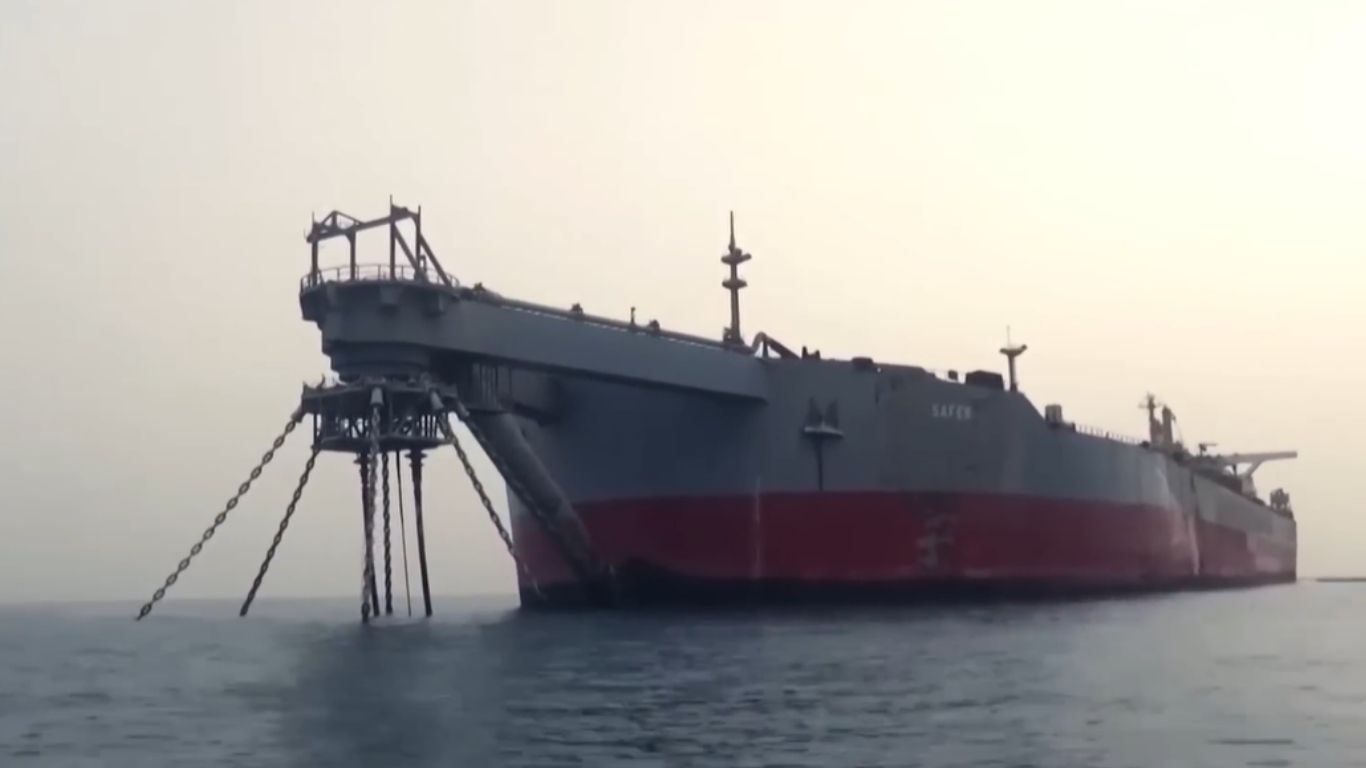
Indian authorities seized the ships in February. Officials alleged that the vessels concealed their identities and took part in illegal ship-to-ship fuel transfers at sea. The ships named in the case are Asphalt Star, Al Jafzia, and Stellar Ruby.
Authorities said the vessels were part of a smuggling network that moved heavy fuel oil and bitumen while trying to hide their movements. Stellar Ruby sails under an Iranian flag. Asphalt Star and Al Jafzia are registered in Nicaragua and Mali. All three vessels remain docked off the coast of Mumbai.
India has strongly denied reports that it is negotiating with Iran over the release of the ships. Officials also rejected claims of any exchange deal involving safe passage for Indian vessels.
Foreign ministry spokesperson Randhir Jaiswal called such reports baseless. He said there has been no discussion linking the seized ships to shipping access through the Strait of Hormuz. Jaiswal also stated that the vessels are not Iranian-owned and are not classified as tankers. He emphasized that there is no quid pro quo arrangement between the two countries.
The Strait of Hormuz remains one of the world’s most critical maritime chokepoints. About 20% of global petroleum supplies pass through the narrow waterway. Any disruption can quickly impact global energy markets.
For India, the route is especially vital. The country imports a large share of its oil and nearly 90% of its liquefied petroleum gas from Gulf nations. Delays or blockages in the strait can affect domestic fuel supplies, including cooking gas. Recent tensions in the Gulf have slowed shipping traffic. Several Indian-flagged vessels have faced delays while trying to cross the strait.
At least 22 Indian-flagged ships and hundreds of Indian seafarers remain in the Gulf region. Some of these vessels carry LPG cargo, which India needs to stabilize its domestic supply.
Officials said India is working to ensure the safe and timely passage of these ships. Two Indian LPG vessels recently crossed the Strait and reached India after delays. External Affairs Minister S. Jaishankar said recent talks with Iran have helped in some cases. However, he made it clear that there is no broad agreement covering all vessels. Each ship’s movement is handled separately.
Iran’s ambassador to India met officials in New Delhi on March 16 to discuss the issue. The talks also covered broader concerns about maritime safety and energy flows. Iran has reportedly requested supplies of medicines and medical equipment during these discussions. However, India has not confirmed any such arrangement.
Iranian Foreign Minister Abbas Araghchi also highlighted the issue publicly. He noted that India had stopped oil trade with Iran after U.S. sanctions returned. He suggested that current tensions have made cooperation more important for both sides.