WASHINGTON (Diya TV) —The White House is increasing pressure on India to cut back on Russian crude oil imports. Trade adviser Peter Navarro said New Delhi’s purchases are funding Moscow’s war in Ukraine and must stop.
In an opinion piece published in the Financial Times on Monday, Navarro argued that India is acting as a “global clearinghouse for Russian oil.” He said the country converts embargoed crude into refined products and high-value exports, giving Moscow much-needed dollars.
“India’s dependence on Russian crude is opportunistic and deeply corrosive of the world’s efforts to isolate Putin’s war economy,” Navarro wrote.
India is now the world’s second-largest buyer of Russian oil, after China. More than 30 percent of India’s fuel comes from Moscow. These imports provide crucial revenue for Russia as Western sanctions tighten.
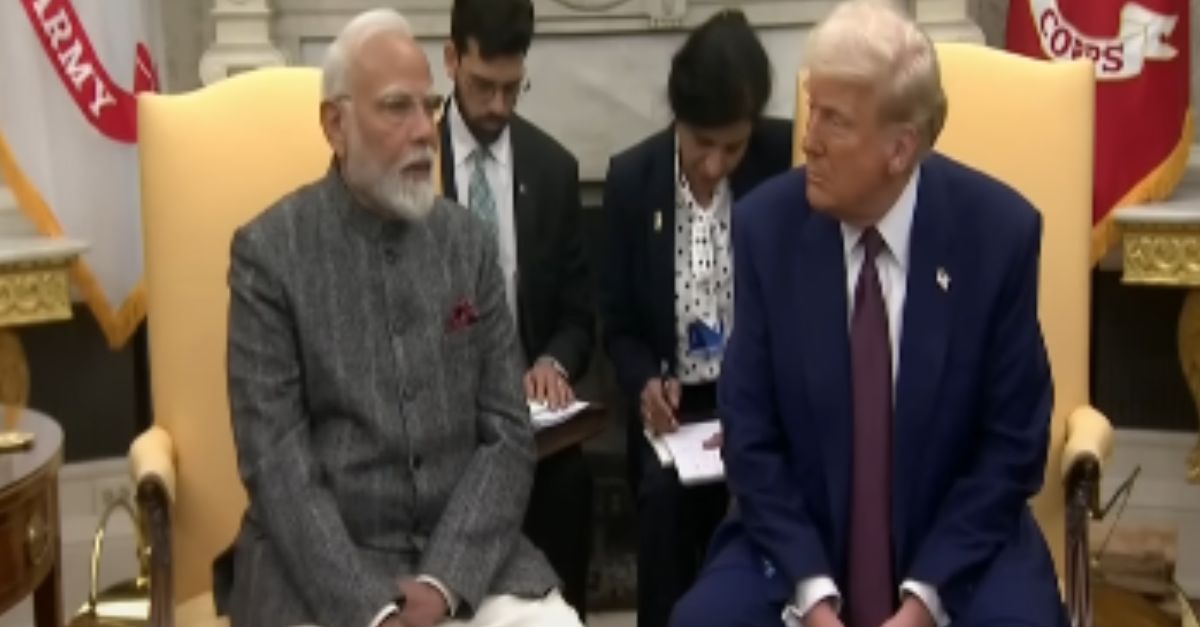
India has long counted Russia as a key defense partner. Most of India’s weapons, including the S-400 missile defense system, come from Moscow. Despite the war in Ukraine, Prime Minister Narendra Modi has continued to engage with Russian President Vladimir Putin. Modi recently traveled to Moscow, signaling ongoing ties.
The oil dispute comes as trade tensions rise between Washington and New Delhi. Earlier this month, President Donald Trump imposed 50 percent tariffs on Indian goods. The move strained ties between the two countries, which share annual bilateral trade worth $128 billion.
In his Independence Day speech on Friday, Modi pledged to stand firm against Washington’s trade measures. “India will never compromise when it comes to protecting the interests of our farmers,” he said. Modi stressed that his government would resist any policy that hurts Indian agriculture.
Trump has pushed to reduce the $45 billion US trade deficit with India. The administration has also suspended planned negotiations on a free trade agreement. A visit by US trade negotiators scheduled for late August has been canceled, delaying talks aimed at easing tariff disputes.
Navarro is the second senior Trump administration official to accuse India of financing Russia’s war. Earlier this month, White House deputy chief of staff Stephen Miller also criticized India’s oil imports from Russia.
“What he (Trump) said very clearly is that it is not acceptable for India to continue financing this war by purchasing the oil from Russia,” Miller told Fox News.
Navarro warned that India’s closer ties with both Russia and China pose risks to US-India relations. He said it would be dangerous to transfer cutting-edge US military technology to New Delhi under such conditions. “If India wants to be treated as a strategic partner of the US, it needs to start acting like one,” he wrote.
India’s Foreign Ministry has rejected the criticism. Officials argue that New Delhi is being unfairly singled out. They point out that the United States and European Union continue to trade with Russia, even if at lower levels than before the war.
The EU reported total trade with Russia worth 67.5 billion euros ($77.9 billion) in 2024, down from 257.5 billion euros ($297.4 billion) in 2021. The bloc also continues to import Russian natural gas. Since the war began, Europe has paid $105.6 billion for Russian gas, a sum equal to about 75 percent of Russia’s 2024 military budget, according to the Centre for Research on Energy and Clean Air.
US trade with Russia has dropped sharply, falling from $36 billion in 2021 to $5.2 billion in 2024. Still, Indian officials note that Western economies remain more deeply tied to Russia than India.
New Delhi is also working to manage its relationship with China, its regional rival. Modi is expected to visit China at the end of the month, while Chinese Foreign Minister Wang Yi will visit India this week for border talks.
The balancing act shows India’s effort to maintain ties with both Washington and Moscow, while also addressing its uneasy relationship with Beijing.
As Washington presses India to distance itself from Russian oil, the dispute could reshape US-India relations and test New Delhi’s foreign policy strategy.