NEW DELHI (Diya TV) — In a major international drug bust, India’s Narcotics Control Bureau (NCB) dismantled a sprawling pharmaceutical trafficking network that stretched across four continents and more than ten countries. The NCB-led operation, codenamed Med Max, resulted in eight arrests and the seizure of 48 consignments of illegal drugs, drawing praise from Indian and U.S. officials alike.
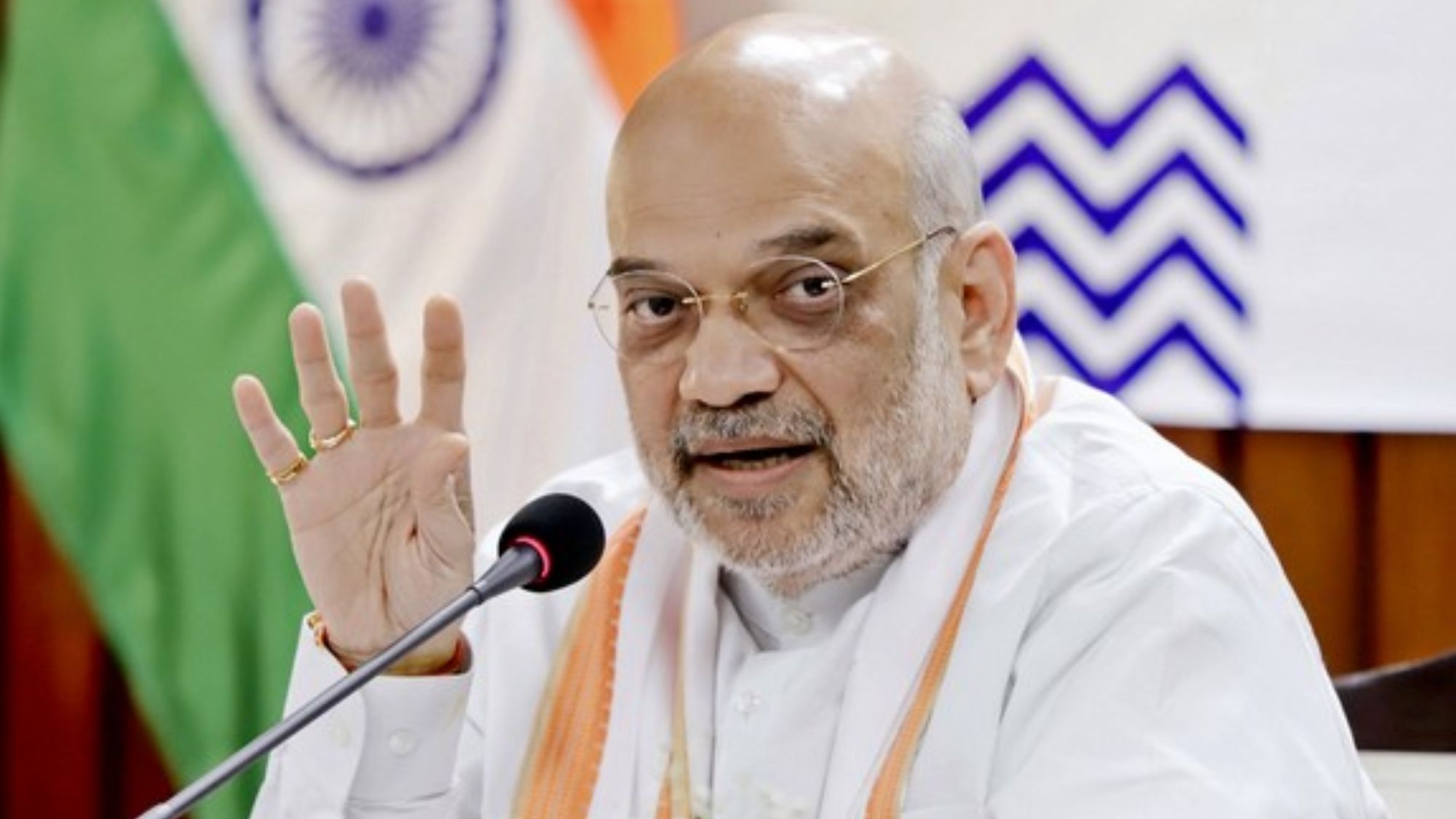
Indian Union Home Minister Amit Shah congratulated the NCB and other agencies involved. He described the effort as a “shining example of multi-agency coordination” under Prime Minister Narendra Modi’s leadership. The operation, Shah noted, showed how Indian enforcement agencies are keeping pace with new and complex smuggling methods like cryptocurrency payments and anonymous shipping.
The United States Embassy in India also thanked Indian authorities. “Thanks to NCB and Indian authorities for helping protect Americans against illegal drugs and saving American lives,” it said in a post on social media.
The investigation began with a routine vehicle check near Mandi House in Delhi on May 25. NCB officers intercepted two individuals carrying 3.7 kilograms of Tramadol tablets, a controlled medicine. Both were pharmacy graduates and admitted to operating a vendor profile on an Indian B2B platform to sell medicines overseas.
This small bust led to a much larger discovery. Follow-up raids and investigations led to more arrests in Roorkee, Delhi, and Udupi, Karnataka, where authorities found a call center processing international drug orders.
Authorities found that the cartel used encrypted apps and crypto payments to traffic illegal pharmaceutical drugs from India to the United States, Australia, Spain, Estonia, and Switzerland. A total of 50 international shipments were traced, including 29 to the U.S. and 18 to Australia.
Indian officials quickly shared their findings with global agencies and Interpol, which triggered coordinated actions abroad. In Alabama, U.S. authorities arrested a re-shipper named Joel Hall and seized more than 17,000 tablets of controlled drugs. At the same time, Australian law enforcement dismantled an illegal pill-manufacturing unit tied to the same network.
U.S. officials also intercepted five suspicious parcels containing Zolpidem tablets, a sedative that is often misused. The United States Embassy acknowledged India’s swift action in preventing the further spread of these dangerous substances.
The cartel operated like a global business. It used premium listings on Indian B2B platforms to attract buyers from across the world. Payments flowed in cryptocurrency, often routed through multiple layers involving commissions to suppliers and re-shippers in different countries.
The syndicate also groomed repeat customers to become logistics partners, allowing the network to grow organically. It used drop shipping methods and digital communications to avoid direct contact, making the operation harder to trace.
Authorities have now identified the mastermind behind the operation. He is believed to be based in the United Arab Emirates. Indian officials are working closely with their UAE counterparts to bring him to justice.
The operation highlighted the growing role of cyber tools and financial networks in international drug trafficking. Indian agencies have since launched deeper cyber and financial probes. They are now tracking crypto wallets and hawala networks to trace the flow of illegal funds and close any loopholes.
This international success sends a strong message to drug traffickers using India as a base. It shows that Indian enforcement agencies are not only active but also highly coordinated with global partners.
With timely action, the NCB and its allies have helped prevent thousands of doses of controlled substances from reaching the streets of foreign countries. The cooperation between India, the United States, and Australia offers a new model for combating transnational drug crime in the digital age.
As cybercrime and drug trafficking become more connected, operations like Med Max show the importance of technology, global cooperation, and relentless enforcement in saving lives and protecting communities worldwide.