WASHINGTON (Diya TV) — The Trump administration has quietly but significantly reshaped the Justice Department’s Civil Rights Division, prompting concerns from current and former officials who say the changes mark a sharp departure from its decades-long mission of enforcing anti-discrimination laws in areas such as housing, employment, and voting rights.
Since returning to the office, President Donald Trump has installed new leadership within the division, resulting in the reassignment or resignation of more than a dozen senior career attorneys. Many of these lawyers had served under both Republican and Democratic presidents, and according to multiple sources, they were pushed into roles that did not align with their areas of legal expertise or interest.
“It’s been a complete bloodbath,” said a senior Justice Department lawyer who spoke to NBC News on the condition of anonymity. “The focus has shifted entirely, and many people feel sidelined.”
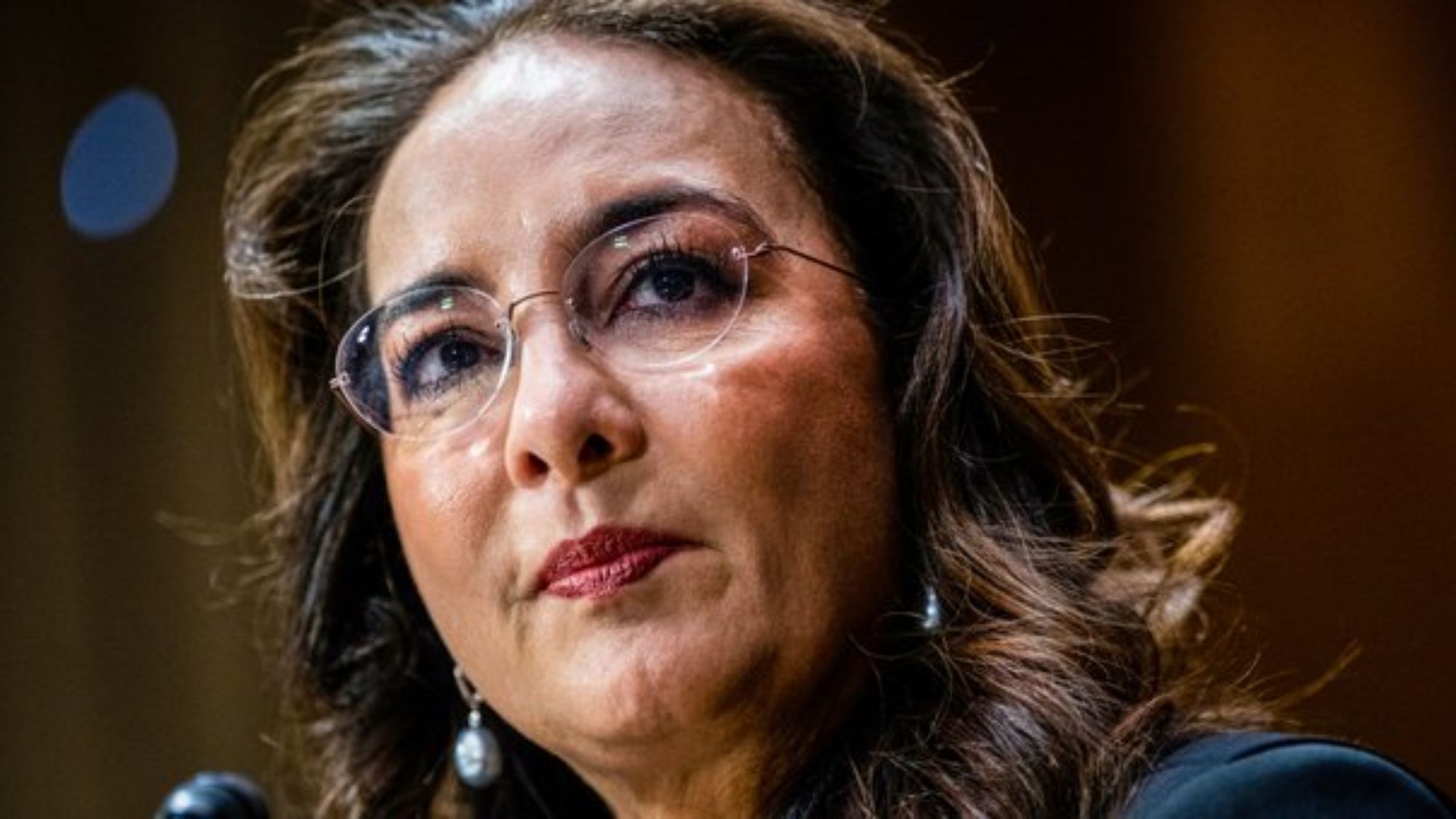
The architect of the transformation is Harmeet Dhillon, a conservative attorney from San Francisco who represented Trump in post-2020 election lawsuits. Appointed by Trump to lead the Civil Rights Division, Dhillon has issued a series of memos outlining new priorities that diverge starkly from the division’s traditional role.
According to documents obtained by NBC News, the division is now tasked with enforcing the president’s cultural agenda, including initiatives such as “Keeping Men out of Women’s Sports” and “Ending Radical Indoctrination in K-12 Schooling.” These directives, inspired by executive orders signed by Trump, have raised red flags among legal experts and longtime DOJ veterans.
“This is a 180-degree shift from the division’s traditional mission,” a former senior official told NBC News. “The division can only enforce statutes passed by Congress, and these memos appear completely detached from that legal framework.”
Although the Justice Department has not made a formal public announcement about the changes, Reuters was first to report some details on Tuesday.
In a statement, Dhillon defended the shift, characterizing it as a standard recalibration of priorities that happens with any new administration. “Each new administration has its priorities, and allocates resources accordingly,” Dhillon said. “When I assumed my duties as Assistant Attorney General, I learned that certain sections in Civil Rights had substantial existing caseloads and backlogs, and that formed the basis of temporary details to assist those sections in getting, and staying, caught up.”
Dhillon also emphasized that the division remains committed to “aggressively protecting the civil rights of Americans.”
However, critics argue that the realignment reflects a broader ideological push rather than a genuine response to case backlogs. The reassignment of seasoned attorneys and the prioritization of politically charged issues over statutory civil rights enforcement have led to morale issues and the departure of some of the division’s most experienced personnel.
Legal observers warn that the new focus could undermine the division’s long-standing credibility. “These documents were created in a vacuum divorced from legal reality,” said the former official. “It’s hard to see how these priorities can be carried out without running into legal and constitutional roadblocks.”
As the transformation unfolds largely out of the public eye, civil rights advocates and former DOJ lawyers are closely watching to see how enforcement actions — or the lack thereof — will reflect the administration’s stated priorities.