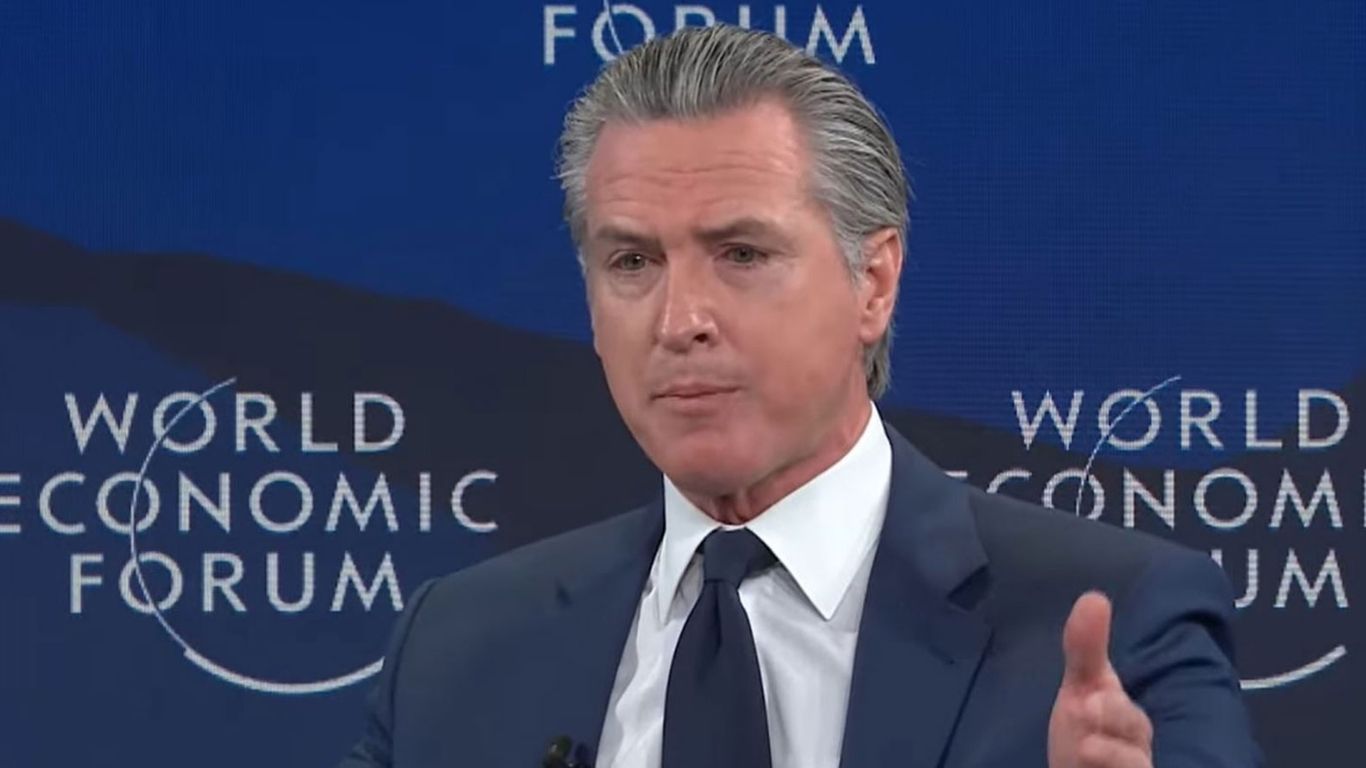
SACRAMENTO, Calif. (Diya TV) — California Gov. Gavin Newsom on Thursday launched a major effort to prepare workers for the growing impact of artificial intelligence on the labor market. The Democratic governor signed an executive order that directs state agencies to study new labor policies as AI reshapes industries and threatens thousands of jobs.
The order marks one of the nation’s first large-scale state responses to AI-driven job disruption. California officials will work with universities, labor groups, economists, and technology companies to explore ways to protect workers while supporting innovation.
Newsom said California must act early as artificial intelligence changes the future of work. California has never sat back and watched as the future happened to us — and we won’t start now,” Newsom said in a statement. “This moment demands that we reimagine the entire system.”
The executive order calls for a broad review of labor protections and workforce development programs. State agencies will collect data and examine how AI affects jobs across industries. Officials will study ways to support companies that keep workers instead of replacing them with automation. The order also pushes agencies to expand worker retraining programs and improve job transition services.
California plans to develop early warning systems that can identify industries facing major layoffs due to AI adoption. The state also wants to create new training programs that help workers gain skills for jobs expected to grow in an AI-driven economy. The order directs agencies to examine severance standards and subsidized employment programs. It also calls for the creation of an “AI playbook” to modernize California’s workforce training systems. Supporters say the move could help workers adapt to rapid technological change before large-scale job losses spread beyond the tech sector.
The executive order comes during a period of rising concern over AI-related layoffs in the technology industry. Several major companies have announced workforce cuts in recent months as businesses invest more heavily in artificial intelligence tools.
This week, Meta laid off about 8,000 workers, roughly 10% of its workforce. Other companies, including Amazon, Oracle, and Cloudflare, have also reduced staffing levels while expanding AI operations.
Experts warn that AI could soon affect a much wider range of jobs. Many economists believe white-collar professions may face significant disruption as companies adopt AI systems that can complete administrative, analytical, and creative tasks.
Dario Amodei, co-founder of Anthropic, recently predicted that AI could eliminate nearly half of white-collar jobs within five years. That forecast has intensified debates about how governments should respond to the rapid growth of AI technology. Labor advocates argue that workers need stronger protections as automation spreads. Technology leaders, however, often warn that excessive regulation could slow innovation and economic growth.
California has moved aggressively in recent months to shape AI policy. The state remains home to many of the world’s largest artificial intelligence companies, giving state leaders significant influence over the industry’s future. In March, Newsom signed another executive order focused on public safety rules for AI companies that work with the state government. That order aimed to increase oversight, transparency, and accountability in AI systems.
The latest labor-focused order expands California’s broader effort to become a national leader in AI governance. The move could also create tension with the federal government. President Donald Trump and his administration have largely supported a lighter regulatory approach to artificial intelligence. Federal officials have pushed to limit state-level AI regulations to encourage faster industry growth.
Despite those differences, California officials say they cannot wait for Washington to act while AI rapidly transforms the economy. Newsom’s administration argues that the state must prepare workers now before job displacement accelerates. The governor said California intends to balance innovation with economic security as AI adoption continues to expand.
The executive order does not immediately create new laws or funding programs. Instead, it begins a long-term policy review that could lead to major labor reforms in the coming years. As artificial intelligence continues to reshape the workplace, California’s actions may serve as a model for other states searching for ways to protect workers while embracing new technology.