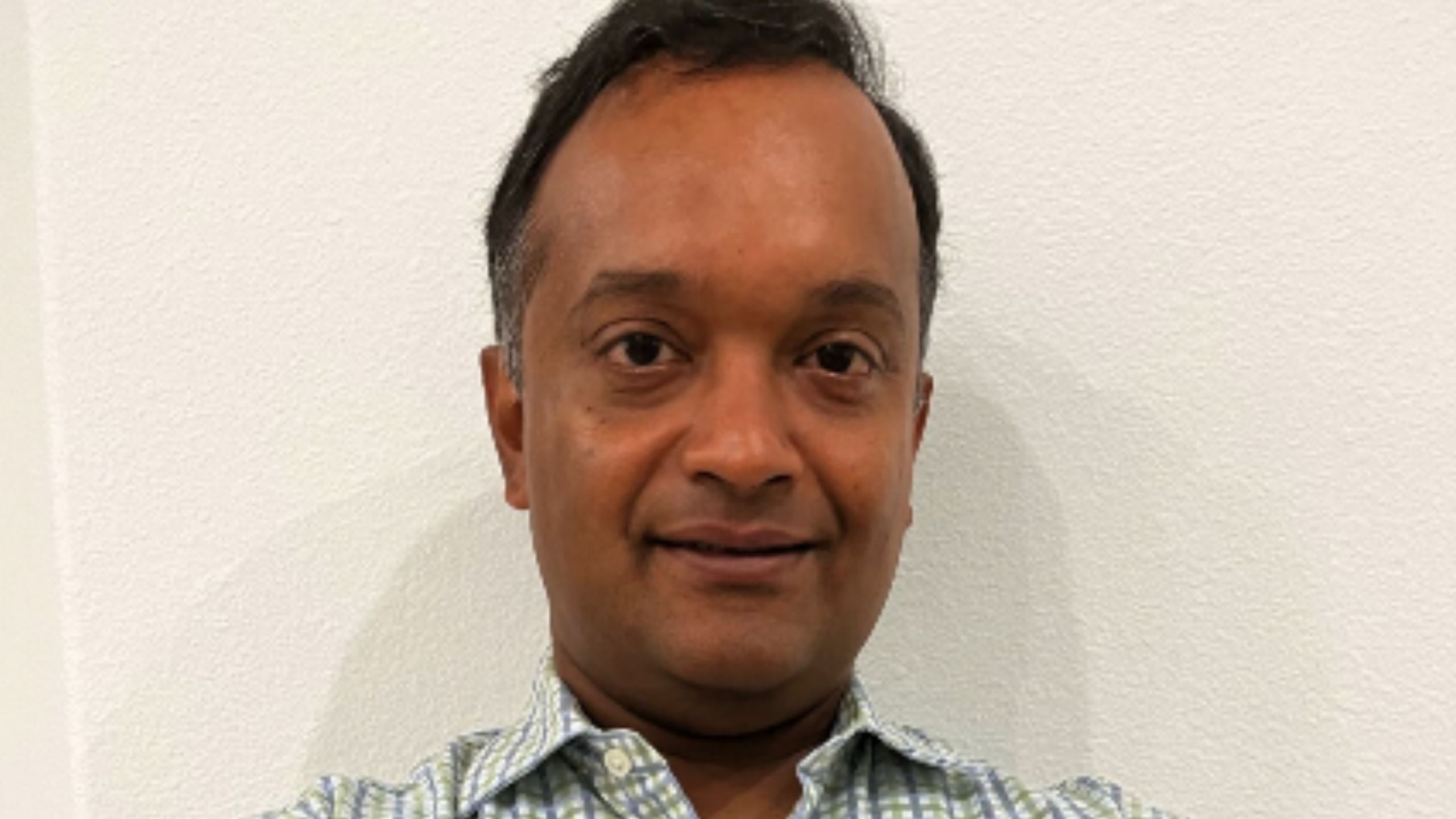
PALO ALTO, Calif. (Diya TV) — A team of former Tesla executives has launched DensityAI, a new startup focused on building advanced AI chips, hardware, and software for the automotive industry. The company is led by Ganesh Venkataramanan, the former head of Tesla’s Dojo supercomputer project, and is quickly gaining attention in the fast-moving field of automotive artificial intelligence.
The startup is targeting a major gap in the AI infrastructure market by helping automakers scale their autonomous driving systems with powerful, efficient data center solutions.
Ganesh Venkataramanan left Tesla in late 2023 after leading the Dojo project, Tesla’s custom supercomputer platform built to train AI models using driving data. Venkataramanan joined Tesla in 2016 after working at AMD, where he brought deep experience in AI chip design.
Now, he’s bringing that knowledge to DensityAI, which already includes around 20 former Tesla engineers, many of them senior-level veterans of the Dojo team.
The company’s mission is clear: build full-stack AI hardware and software optimized for the automotive sector. That means not only creating chips but also offering the tools and infrastructure needed to train and deploy AI for self-driving technology.
Self-driving systems require massive amounts of data to function safely. DensityAI wants to remove the roadblocks that many carmakers face when training these AI systems. The startup is developing high-performance, high-density computing solutions designed for real-world use cases like sensor fusion, simulation, and edge computing.
By offering a complete platform, DensityAI aims to help automakers avoid the high cost and complexity of building in-house AI infrastructure. The company is already in talks with several manufacturers and is expected to raise hundreds of millions of dollars to fund growth as it moves out of stealth mode.
DensityAI enters the market as major players like Nvidia dominate the space for AI chips in vehicles. But insiders say the startup could disrupt the lead by focusing on automotive-specific needs.
Tesla, meanwhile, is also making moves in AI. Reports show the company is partnering with Samsung to develop its next generation of AI chips. Still, the departure of top AI talent to new ventures like DensityAI may reflect growing concerns about Tesla’s ability to keep pace.
This is not the first major exit from Tesla’s AI team. In 2023, Andrej Karpathy, Tesla’s former AI director, left to rejoin OpenAI. Other former Tesla executives have spoken publicly about the technical and safety challenges of achieving true autonomous driving.
DensityAI is not just focusing on cars. It’s also looking to serve robotics and other industries that rely on real-time AI processing. The company’s broader goal is to build data center infrastructure that supports efficient machine learning at scale.
Observers on platforms like X describe DensityAI as a “full-stack AI data center company.” That means it will compete not only in hardware but also in AI software tools and management systems.
However, industry experts note the challenges ahead. Building reliable, scalable AI systems takes years of execution. Regulatory hurdles, especially in the automotive AI space, add even more complexity.
The launch of DensityAI reflects a shift in the AI talent landscape. As more engineers leave big tech firms to start specialized companies, the market is seeing new players with deep expertise emerge. These startups could speed up innovation while giving traditional carmakers access to cutting-edge AI technology.
As the race for robotaxis and intelligent transportation heats up, the success of companies like DensityAI may help shape the future of driving.
Venkataramanan and his team believe their experience gives them an edge. They’ve built one of the world’s most advanced AI systems before, and now they’re betting they can do it again.
DensityAI is expected to officially launch in the coming months, with early products aimed at helping carmakers train and deploy AI faster, smarter, and more cost-effectively. If successful, the company could change how vehicles process data and how autonomous driving systems evolve in the years ahead.