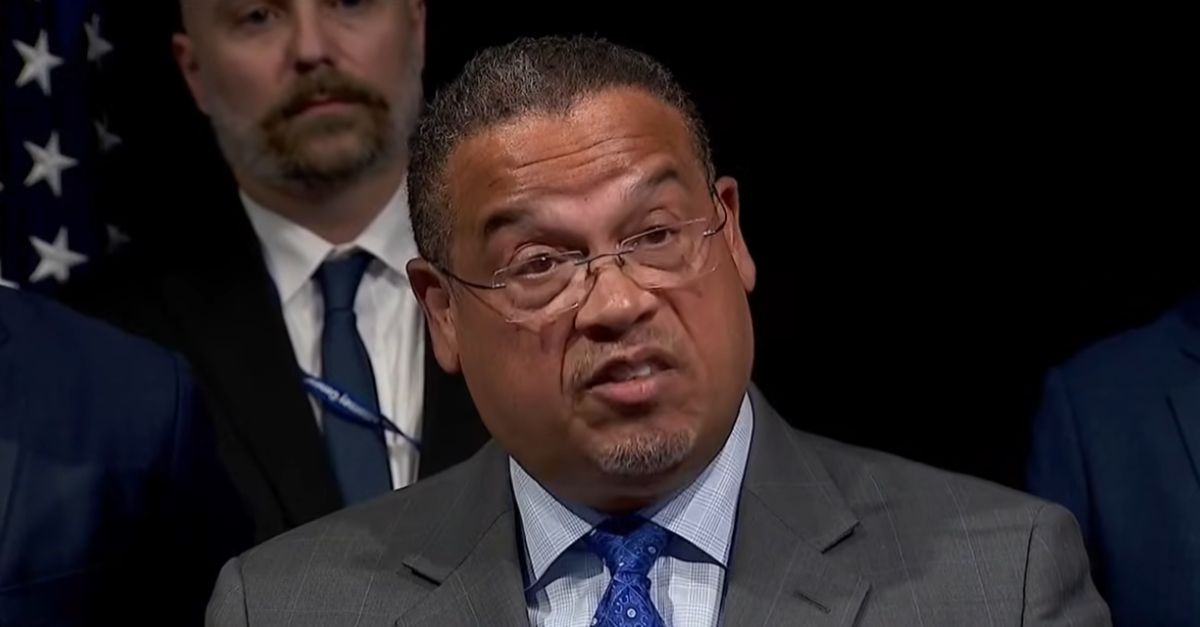
ROCHESTER, Minn. (Diya TV) — The U.S. Department of Justice plans to subpoena Minnesota Attorney General Keith Ellison as part of a widening criminal investigation into state and local officials. The subpoenas are tied to the government’s review of how state leaders responded to federal immigration enforcement and protests in the Twin Cities.
The move marks a rare escalation in a clash between federal authorities and Democratic officials in Minnesota. Multiple sources with direct knowledge of the matter say the Justice Department also intends to seek testimony from Gov. Tim Walz and Minneapolis Mayor Jacob Frey.
Federal prosecutors are probing whether state and city leaders may have obstructed federal officers carrying out immigration operations. The investigation stems from escalating protests that erupted after an ICE officer fatally shot a Minneapolis woman.
DOJ officials have told lawmakers and confided to reporters that subpoenas could be issued soon. The targets include Keith Ellison, who has led Minnesota’s legal fight against a large federal immigration operation in the state. A growing number of state and local officials have sharply criticized the federal tactics.
The Justice Department’s actions reflect an unusual legal dispute between federal authorities and elected state leaders. It also highlights deep tensions over immigration enforcement and protest activity in Minnesota.
In recent days, federal courts have also weighed in on the broader conflict. A federal judge in Minnesota issued a restraining order limiting tactics by U.S. immigration agents against peaceful protesters. The ruling curbs the use of tear gas and arrests of people who are not suspected of criminal behavior.
Tensions first boiled over after the death of Renée Good, a 37-year-old Minneapolis resident who was fatally shot by a U.S. Immigration and Customs Enforcement agent during “Operation Metro Surge.” Federal authorities had deployed thousands of ICE and Homeland Security agents across Minnesota to arrest undocumented immigrants.
Good’s death fueled large protests and drew national scrutiny. Many residents and leaders questioned how the operation was being carried out. They also criticized the lack of transparency in the federal investigation.
Despite calls for a civil rights probe, the Justice Department has said its Civil Rights Division will not lead an investigation into the shooting. Deputy Attorney General Todd Blanche said there was no current basis for a civil rights case while the FBI continues its own work.
That decision angered some federal prosecutors. At least four prosecutors in Minnesota resigned over concerns that the Justice Department had shifted focus away from Good’s death and toward criminalizing protest and political dissent. Those resignations added to the controversy enveloping the case.
Protests against the immigration operation have been widespread. Demonstrations frequently interrupted traffic and federal law enforcement activities in Minneapolis and St. Paul. Efforts intensified after Good’s death, with community groups calling for limits on federal enforcement and respect for civil liberties.
Labor unions, faith groups, and civil rights advocates in Minnesota announced plans for an economic blackout day to protest the federal immigration surge. Organizers urged residents to skip work, shopping, and school to draw attention to what they view as federal overreach.
Meanwhile, federal officials argue they acted lawfully. The Justice Department and Department of Homeland Security maintain that immigration enforcement is legally required and necessary for public safety. Federal leaders have defended the operation and dismissed efforts by Minnesota officials to block or criticize it.
Ellison has been outspoken in his criticism of the federal deployments. His office filed litigation against the Department of Homeland Security, calling the influx of agents an unconstitutional “federal invasion.” He argues that Minnesotans deserve accountability and transparency in how their community is policed.
Gov. Walz and Mayor Frey have also denounced the federal actions. Both leaders said they support peaceful protests against tactics they view as harmful to their communities. They say they will cooperate with lawful judicial processes, but they argue federal prosecutors should focus on those responsible for Good’s death.