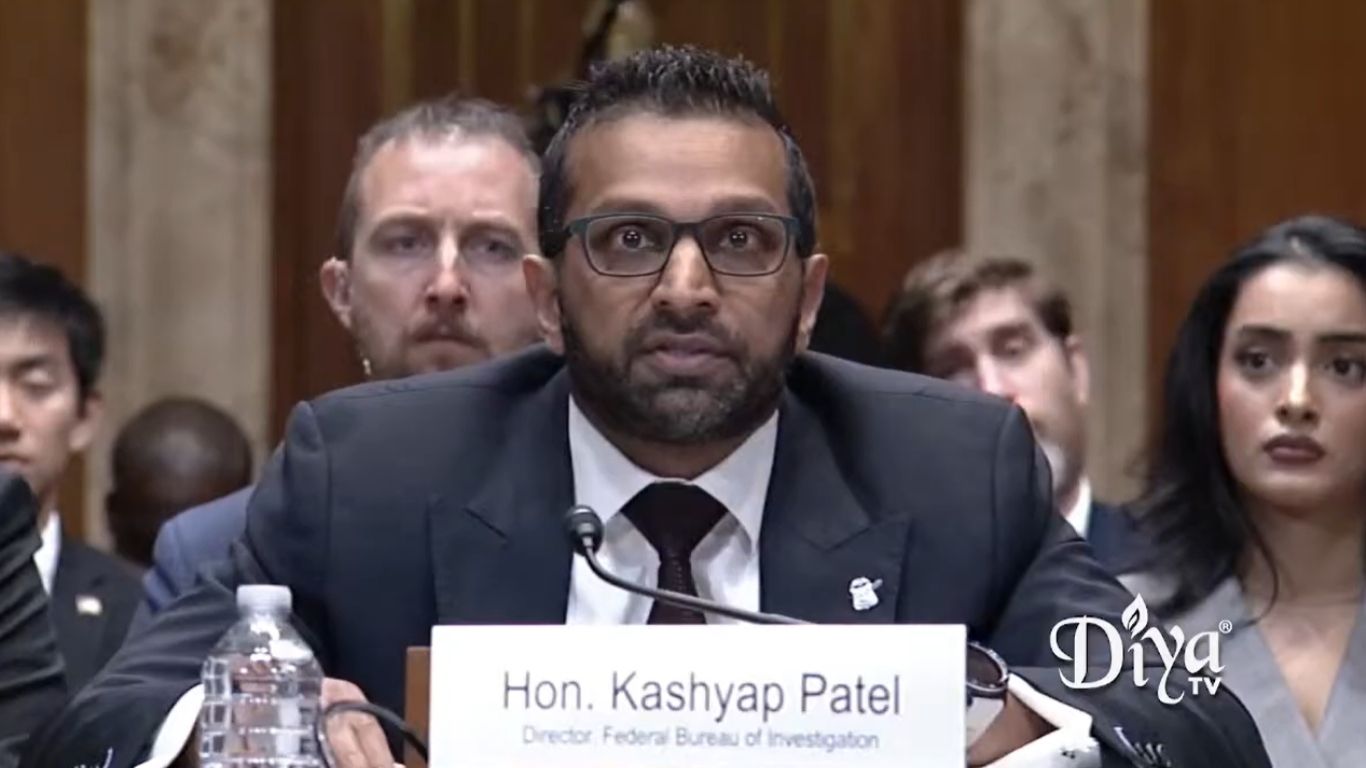
WASHINGTON (Diya TV) — FBI Director Kash Patel’s March 13, 2026 post on X reignited a national debate over whether the United States should make it easier to strip citizenship from naturalized Americans who commit acts of terrorism. Patel wrote that under current law, revoking citizenship is “extremely difficult unless fraud in the naturalization process can be proven,” calling it a gap that “leaves serious national security concerns” the country must confront.
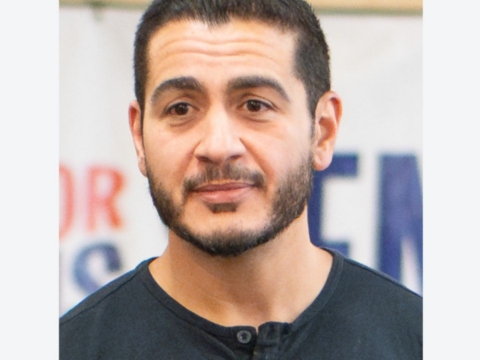
The statement came in the immediate aftermath of a series of high-profile attacks involving naturalized citizens. Mohamed Bailor Jalloh, a naturalized citizen originally from Sierra Leone and a former National Guard soldier who had previously been convicted of attempting to provide material support to ISIS, opened fire at Old Dominion University in Virginia, killing a decorated service member. Hours later, Ayman Mohamad Ghazali, who was born in Lebanon and became a naturalized citizen in 2016, rammed a vehicle into a Michigan synagogue and opened fire. In Austin, Texas, a 53-year-old naturalized citizen was identified as the suspect in a separate mass shooting. In New York City, two teenagers inspired by ISIS threw improvised explosive devices outside the mayor’s residence.
Patel’s remarks underscored a legal reality that has long frustrated law enforcement and national security officials. Under current law, denaturalization is possible but only in narrow circumstances and must be pursued through the courts. The primary basis for denaturalization is proving that citizenship was obtained through fraud or misrepresentation during the naturalization process. Post-naturalization conduct, including terrorism convictions, does not by itself provide grounds to revoke citizenship under existing statutes. From 1990 to 2017, an average of roughly 11 denaturalization cases were initiated per year. That number rose to approximately 25 annually during Trump’s first term, but still represented a tiny fraction of the more than 24 million naturalized citizens in the United States.
The attacks prompted Republican lawmakers to accelerate legislative efforts to expand denaturalization authority. Senator Eric Schmitt of Missouri introduced the Stop Citizenship Abuse and Misrepresentation Act, known as the SCAM Act, in January 2026. The bill would allow the government to revoke citizenship from individuals who engage in terrorism, commit fraud, commit espionage, or commit felonies within ten years of becoming a citizen. The bill’s companion legislation in the House was introduced by Majority Whip Tom Emmer of Minnesota. Representative Riley Moore of West Virginia separately announced plans to introduce a bill that would specifically allow denaturalization of any naturalized citizen who commits, plots, or aids an act of terrorism.
Legal scholars have cautioned that the proposals raise significant constitutional questions. UCLA law professor Ahilan Arulanantham noted that for conduct occurring after naturalization, including drug trafficking, fraud, or terrorism, those crimes are not grounds for denaturalization under current law. “Somebody who’s been a naturalized citizen and then is convicted of a crime, they go to prison just like other citizens,” he said. “But the fact that you’ve been convicted of a crime by itself does not render you eligible for denaturalization.” Irina Manta, a law professor at Hofstra University, raised concerns about whether expanded denaturalization authority could be applied retroactively or selectively in ways that create unequal treatment under the law.
President Trump indicated support for broader denaturalization authority in December 2025, telling reporters that if he had the power to denaturalize naturalized citizens who commit crimes, he would do so. The SCAM Act is pending in both chambers of Congress. The Department of Justice has announced terrorism-related charges in the New York IED case, and federal authorities are separately reviewing how Jalloh, who received an early release in 2024 after an 11-year terrorism sentence, was permitted to leave custody before completing his sentence.