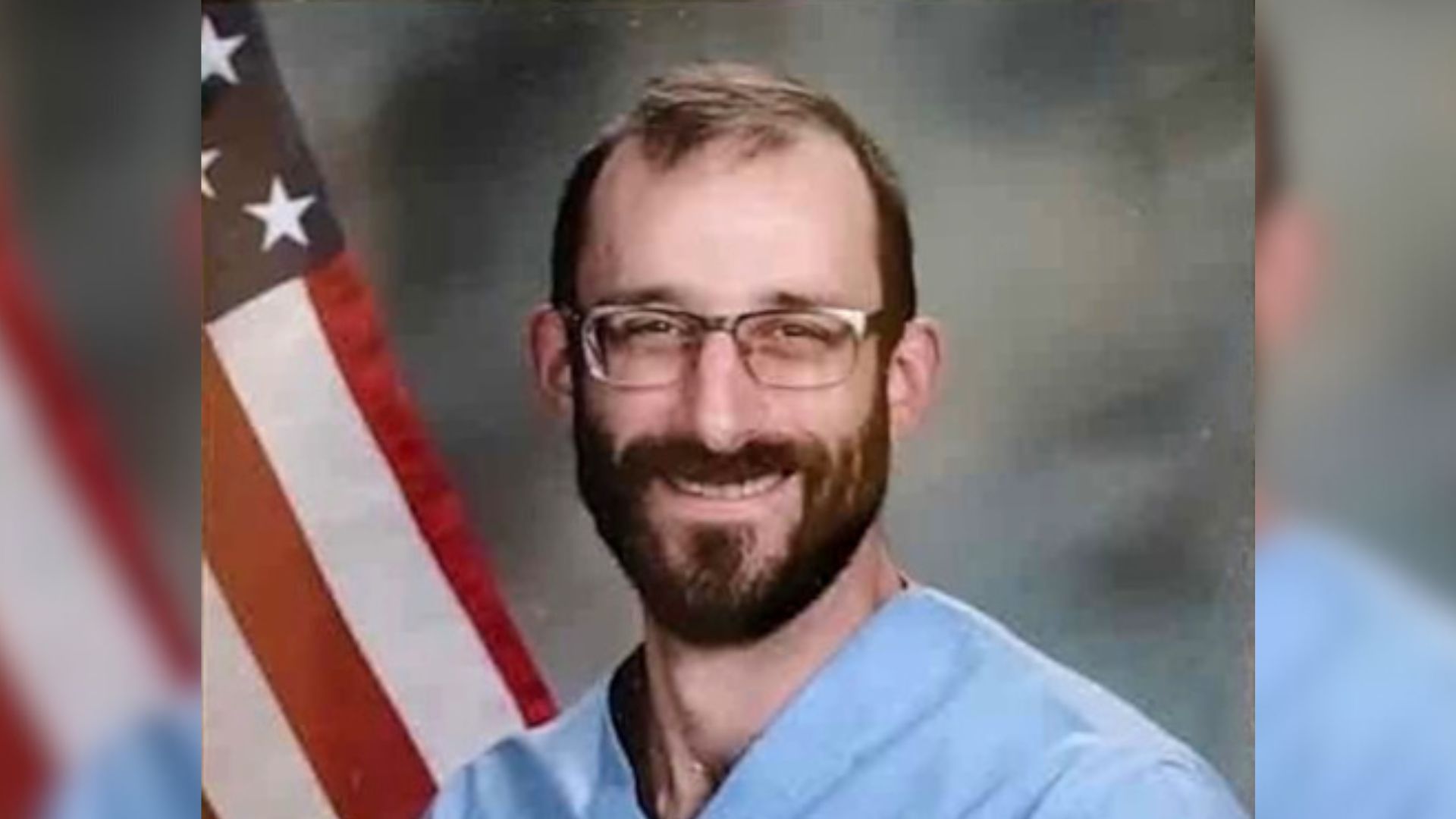
MINNEAPOLIS, Minn. (Diya TV) — The fatal shooting of Alex Pretti, a 37-year-old intensive care nurse for the United States Department of Veterans Affairs, by a federal Border Patrol agent during an immigration enforcement operation has ignited a national reckoning over the use of force by federal officers, the scope of immigration crackdowns and the accountability mechanisms meant to oversee them.
Pretti died Saturday after agents confronted him on a frigid Minneapolis street as he recorded an arrest during an immigration-related protest. Video captured by a bystander shows Pretti on all fours with multiple agents restraining him. One agent removed a handgun from Pretti’s holster, footage shows. Moments later, another agent fired at point-blank range, followed by additional shots. Pretti was pronounced dead at the scene.
The shooting marked the second fatal encounter involving federal immigration officers in Minneapolis this month, intensifying scrutiny of the Trump administration’s enforcement strategy and training standards for Border Patrol and Immigration and Customs Enforcement officers.
Experts are sharply divided over what the video shows. Several former law enforcement officials said the shooting appeared unjustified based on the publicly available footage. “Under no circumstances was this a justified shooting,” said Tom Nolan, a former Boston police commander who once advised the Department of Homeland Security on civil rights. “It was a stone-cold murder.”
Others cautioned that critical details remain unknown, including what officers perceived in the moments before shots were fired. “This was tense, this was uncertain, this was rapidly evolving,” said David Klinger, a criminology professor at the University of Missouri–St. Louis and former police officer, emphasizing the need to understand officers’ decision-making under stress.
The Trump administration has moved quickly to defend the agents. Border Patrol Commander Gregory Bovino said officers were pursuing an Ecuadorian national wanted on domestic assault allegations and that Pretti “injected himself” into an active law enforcement situation while armed. He said the agent who fired had eight years of service and extensive training, adding that the investigation would determine how many shots were fired and why.
Video and eyewitness accounts so far do not show Pretti brandishing his weapon. Local officials confirmed that Pretti, a U.S. citizen, had a legal permit to carry a gun. Policing experts note that standard training emphasizes securing a firearm and reassessing the threat once a suspect is disarmed.
The investigation itself has become a flashpoint. DHS Secretary Kristi Noem said her department would lead the inquiry — an unusual move, as the FBI typically investigates shootings involving DHS officers. Minnesota state investigators said federal authorities blocked them from accessing the scene despite a warrant, prompting a judge to intervene to prevent evidence from being altered.
Members of Congress from both parties have demanded transparency. Sen. Tina Smith, D-Minn., accused the administration of a “cover-up,” while Sen. Thom Tillis, R-N.C., warned against shutting out state and local investigators. Sen. Bill Cassidy, R-La., called for a full joint investigation, saying the credibility of DHS and ICE is at stake.
The fallout has quickly reached Capitol Hill’s budget battles. Senate Democrats have threatened to block a must-pass federal spending package that includes funding for DHS, raising the prospect of a partial government shutdown ahead of Friday’s deadline. “No, I am not voting for this funding,” Sen. Amy Klobuchar, D-Minn., said, citing the Minnesota killings and broader immigration enforcement actions.
Outside Washington, the response has been deeply personal. Vigils and protests have spread to Chicago, where Pretti was born, and a national nursing organization has announced a candlelight vigil in his honor.
A federal judge is scheduled to hear arguments Monday on whether to temporarily halt immigration enforcement operations in Minnesota following the two fatal shootings. As investigations, protests and legislative brinkmanship unfold simultaneously, Pretti’s death has become a stark symbol of the growing tension between aggressive federal enforcement and demands for accountability — a debate now playing out on streets, in courtrooms and in Congress alike.