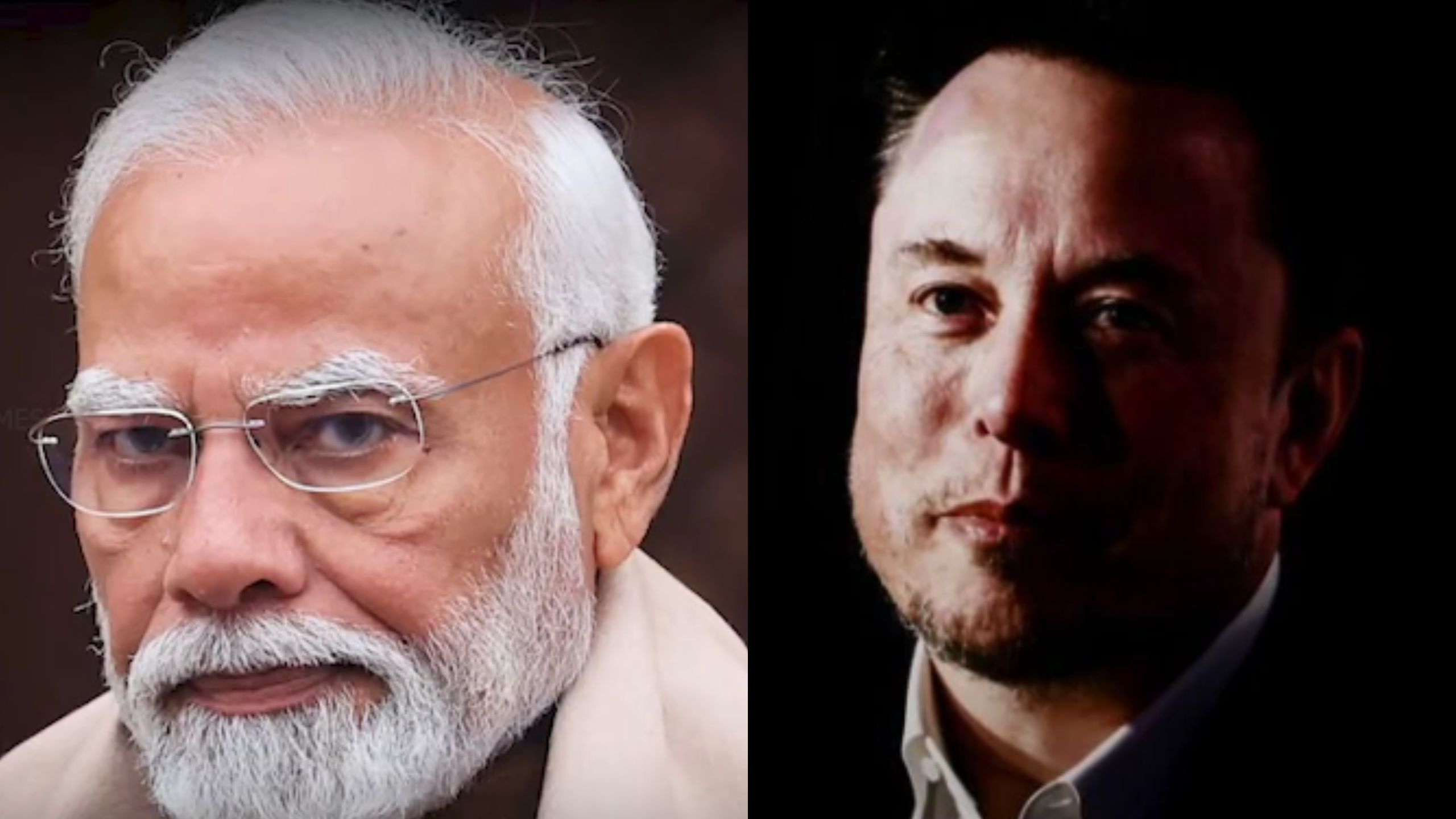
BENGALURU, India (Diya TV) — Elon Musk’s social media platform X has filed a lawsuit against the Indian government, challenging sweeping online censorship policies that critics say threaten free speech in one of the world’s largest digital markets.
The case, filed in March in the Karnataka High Court, targets recent actions by Prime Minister Narendra Modi’s administration. These include empowering local police and government agencies to order the removal of online content — a move that X argues violates constitutional rights.
The legal battle stems from a growing number of takedown notices issued to X by Indian officials. One example involves a 2023 post from a small account that called a ruling-party politician “useless.” In January, Satara police said the post could incite “serious communal tension” and demanded its removal.
X refused to take down the post, which remains online. It is just one of hundreds of similar notices cited in the court case. X claims many of these requests aim to silence criticism, satire, or unfavorable news about the government.
Since 2023, India has broadened its efforts to monitor and control online content. The IT Ministry now allows thousands of state and federal officials to issue takedown requests. It also launched a government platform called Sahyog — meaning “collaboration” in Hindi — to streamline content removal.
X has refused to join Sahyog, calling it a “censorship portal,” and is now challenging both the platform and the 2023 directive that expanded content policing powers.
In court filings, India defends its actions. It says its policies aim to curb harmful content, such as misinformation, hate speech, and child abuse material. Authorities argue that their expanded powers promote public safety and accountability on social media.
The Indian Cybercrime Coordination Centre, which developed Sahyog, issued over 70% of the removal requests sent to X between March 2024 and June 2025. The agency operates under India’s powerful Home Ministry, led by Modi’s close aide Amit Shah.
To counter X’s lawsuit, the government submitted a 92-page report that highlights nearly 300 posts it says are illegal. Some involve fake news, while others allegedly insult public figures. In one example, officials demanded the removal of photos showing Shah’s son alongside a bikini-clad woman. Two of those posts remain online.
X claims the Indian government overreaches by trying to remove legitimate criticism and satire. For instance, police in Chennai ordered the removal of political cartoons. One featured a red dinosaur labeled “inflation” and showed Modi and Tamil Nadu’s chief minister struggling to manage rising prices. Another cartoon mocked the local government’s flood response. Both posts are still online.
X argues that such content is part of political discourse and poses no threat to public safety, months after posting.
Even members of Modi’s ruling Bharatiya Janata Party (BJP) have faced scrutiny. In March, BJP lawyer Koustav Bagchi posted an image of a rival politician in a spacesuit. Police claimed it risked “public safety and national security.” Bagchi told Reuters the post was “light-hearted” and said he never knew about the takedown notice.
Free speech advocates say India’s new takedown rules give too much power to the executive branch. They warn that labeling content as unlawful without due process could become a tool for political censorship.
“Can a claim that some content is unlawful be termed as indeed unlawful merely because the government claims so?” asked Subramaniam Vincent, director of journalism and media ethics at Santa Clara University. “The executive branch cannot be both the arbiter of legality of media content and the issuer of takedown notices.”
Until recently, only India’s IT and Information & Broadcasting ministries could issue takedown orders. These were limited to specific national security threats. Now, any federal or state agency can demand content removal under broad legal provisions.
Companies that don’t comply risk losing legal protections and can be held accountable for user-generated content. This makes tech platforms more vulnerable to legal action in India.
Musk, who often calls himself a free speech absolutist, has resisted censorship demands in several countries. His standoff with India is notable, as the country is one of X’s biggest markets and a potential hub for Tesla and Starlink.
Despite the legal dispute, relations between Musk and Modi remain publicly cordial. In 2023, Musk praised India’s promise as a growing tech market and said Modi had encouraged him to invest more in the country.
As the lawsuit moves forward, it could reshape how global tech platforms operate in India — and how far governments can go in controlling online speech.