WASHINGTON (Diya TV) — The U.S. Department of Justice is moving to revoke the citizenship of hundreds of foreign-born Americans, signaling a major escalation in denaturalization efforts under the Trump administration. Officials say the initiative aims to increase enforcement against individuals accused of obtaining citizenship through fraud or criminal activity.
The Justice Department has identified 384 naturalized citizens whose cases may be reviewed for possible denaturalization. Senior officials recently told colleagues that prosecutors in 39 U.S. attorney offices will begin handling these cases. This marks a shift from past practice, where specialized immigration litigators handled such matters.
Officials say this is part of a broader push to speed up denaturalization cases. The effort follows directives to increase referrals from the Department of Homeland Security, with officials reportedly aiming for hundreds of cases each month. A Justice Department spokesperson said the agency is pursuing the “highest volume of denaturalization referrals in history.” The statement emphasized a focus on individuals accused of fraud during the naturalization process.
Under U.S. law, the government can revoke citizenship if it proves that a person obtained it through fraud, misrepresentation, or concealment of key facts. This includes cases such as sham marriages or hiding past criminal records. Courts may also revoke citizenship in certain criminal cases.
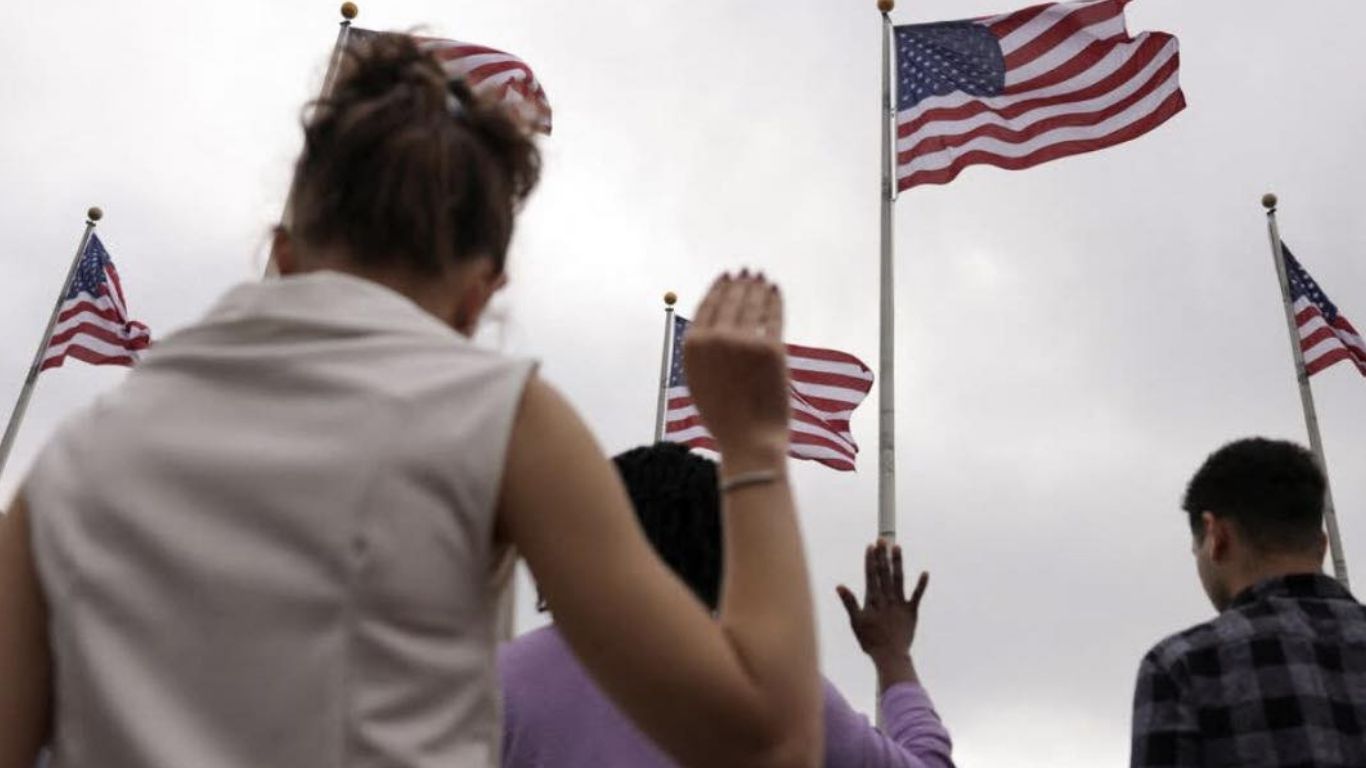
However, the legal standard is high. Prosecutors must present “clear, convincing, and unequivocal evidence” in court. This makes denaturalization cases complex and time-consuming. Experts say these cases remain rare compared to the total number of naturalized citizens. In 2024 alone, more than 818,000 immigrants became U.S. citizens after completing extensive background checks, biometric screening, and civics tests.
The expanded effort has raised concerns among legal scholars and immigrant advocates. Critics argue that increasing denaturalization cases could create fear among naturalized citizens. Legal experts warn that the move may signal a broader shift in how citizenship rights are treated. They say naturalized citizens could feel less secure compared to native-born Americans, even though both groups share nearly identical rights under the law. Some critics also point to historical examples where denaturalization was used against political activists. They caution that expanding these efforts could revive similar concerns.
The initiative could also affect how federal prosecutors allocate resources. Civil divisions in U.S. attorney offices typically handle cases such as health care fraud, civil rights enforcement and financial crimes. Adding denaturalization cases may stretch already limited staffing. During internal discussions, officials acknowledged that some offices are understaffed. They expressed concern about managing the added workload while maintaining other priorities.
The White House has offered mixed messaging on the policy. While some officials describe it as a legal enforcement effort, others have linked it to broader immigration goals. The administration has made immigration enforcement a central issue, including efforts to limit both legal and illegal immigration.
Between 1990 and 2017, the government filed about 305 cases, averaging roughly 11 per year. From 2017 through late 2025, officials sought to revoke citizenship in just over 120 cases. Historically, authorities focused on individuals involved in serious offenses, such as war crimes committed before entering the United States. Recent cases have expanded to include tax fraud, identity fraud, and other crimes tied to the naturalization process.