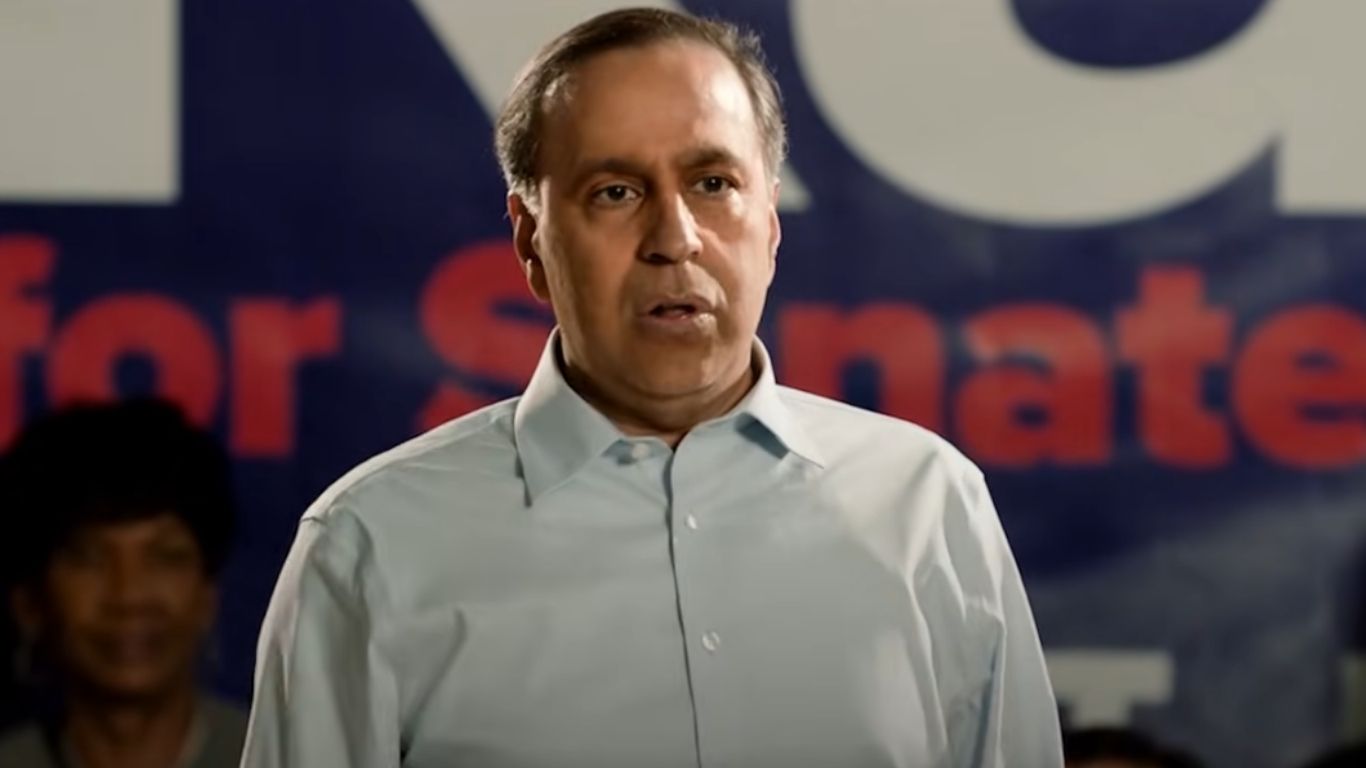
WASHINGTON (Diya TV) — U.S. Rep. Raja Krishnamoorthi criticized President Donald Trump’s latest election security address on Thursday, saying the president used selectively declassified intelligence to support claims about the 2020 election that remain unproven. The Illinois Democrat also warned that Trump’s proposed election changes could increase federal influence over future elections.
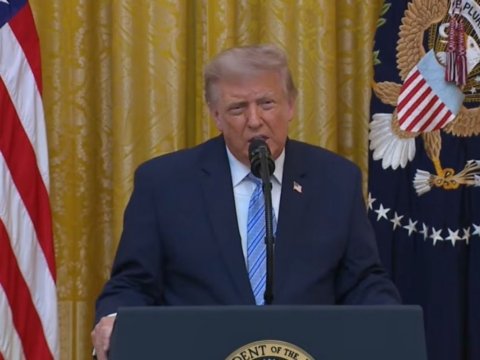
Trump unveiled a broad election agenda during a primetime White House address. He said his administration would release declassified intelligence records, launch new federal investigations into election-related matters and push Congress to pass new voting laws before the 2026 midterm elections. He argued that the measures would strengthen confidence in the nation’s election system and improve security.
However, Krishnamoorthi rejected Trump’s claims and said the released intelligence did not support the president’s conclusions. He argued that the documents instead confirmed what intelligence officials have said for years about foreign election interference.
“I’ve spent years confronting the very real threats posed by China, Russia, and other foreign adversaries,” Krishnamoorthi said in a statement released after Trump’s address.
He added that Trump “selectively declassified intelligence to try to rewrite the history of an election he lost.” Krishnamoorthi also said the released records did not prove that the 2020 election was stolen.
According to Krishnamoorthi, the intelligence documents reaffirmed that foreign governments attempted to influence public opinion during the election. However, he said they contained no evidence that any foreign power changed votes or altered the casting or counting of ballots.
“It confirms what we’ve long known: foreign adversaries targeted our democracy, but there is no evidence they changed a single vote or altered the casting or counting of ballots,” Krishnamoorthi said. “President Trump lost the 2020 election fair and square.”
Trump outlined several election security proposals during his speech. First, he said federal agencies would investigate why certain intelligence related to alleged election threats had remained classified. Next, he announced plans to work with state and local officials to strengthen cybersecurity protections for election systems. In addition, he urged Congress to approve the SAVE America Act.
The proposed legislation would require voters to present photo identification and provide proof of U.S. citizenship before voting. It also would limit voting by mail to specific situations outlined under federal law. Trump said these measures would improve election integrity and restore public trust in the voting process.
Furthermore, Trump described election security as an issue that should receive support from both political parties. He said his administration wanted to address weaknesses in election systems before Americans vote in the 2026 midterm elections.
Krishnamoorthi also criticized the administration’s approach to national security and election oversight. He argued that the White House had weakened agencies responsible for protecting U.S. elections from foreign interference.
“If he cared about election security, he wouldn’t be putting unqualified political loyalists in charge of our intelligence agencies or weakening the agencies responsible for protecting our elections from foreign threats,” Krishnamoorthi said.
In addition, the congressman accused the administration of promoting conspiracy theories related to mail voting. He also argued that the proposed voting changes could suppress voter participation and increase federal involvement in elections traditionally managed by states.
Krishnamoorthi said the administration was “reviving conspiracy theories about mail voting, pushing voter suppression, and laying the groundwork for an unprecedented federal takeover of our elections — all while ignoring the real challenges facing American families.”
The exchange highlights the continuing political divide over election security and voting laws in the United States. Since the 2020 presidential election, lawmakers from both parties have debated how to protect elections while ensuring broad access to voting. Those discussions have focused on voter identification, mail voting, election cybersecurity, and the role of federal agencies.
Meanwhile, Trump continues to argue that stronger safeguards will improve public confidence in elections. On the other hand, Krishnamoorthi and other critics maintain that existing intelligence findings do not support claims that the 2020 election outcome changed because of foreign interference or widespread fraud.