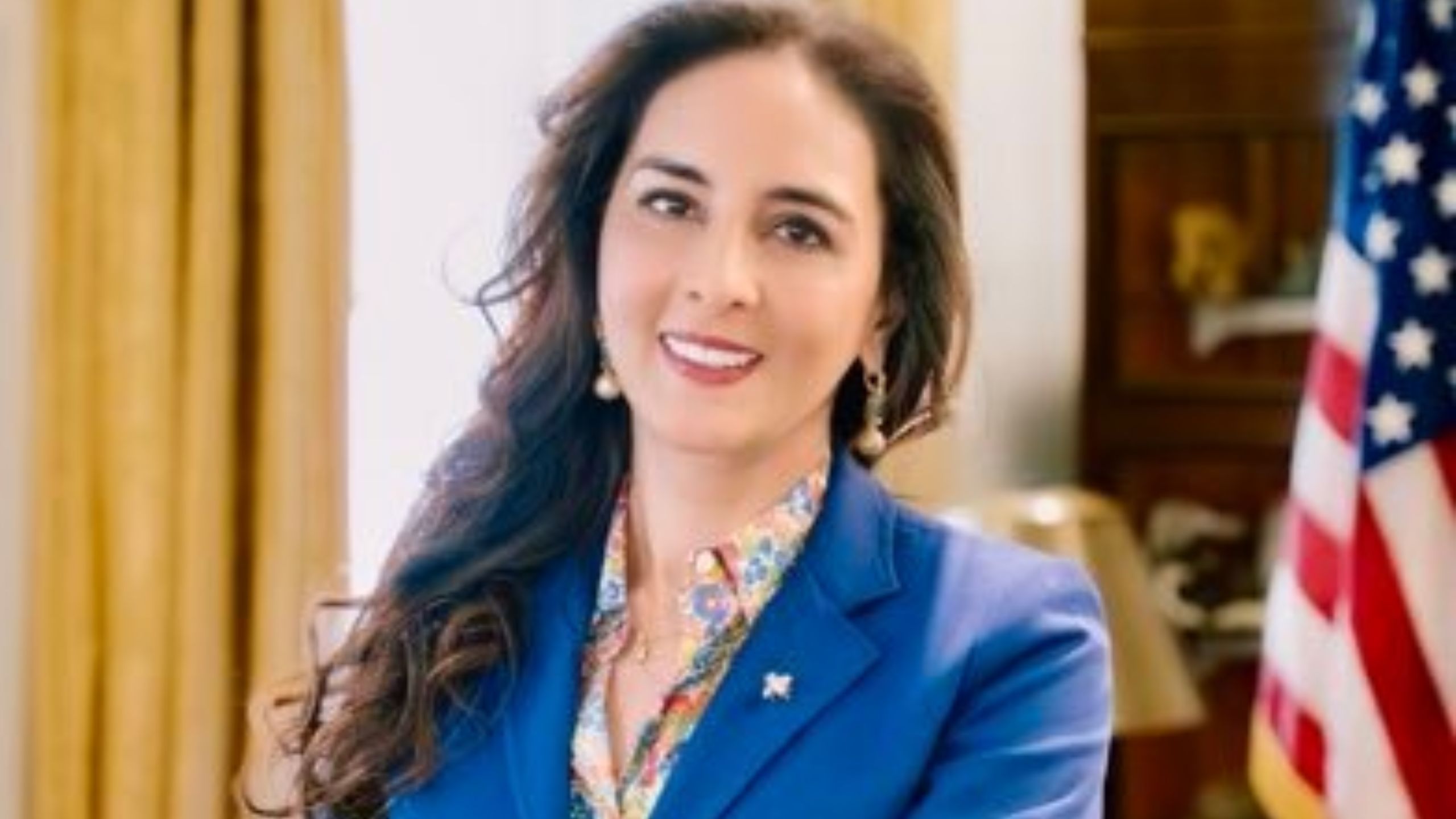
WASHINGTON (Diya TV) — U.S. Assistant Attorney General for Civil Rights Harmeet K. Dhillon sharply criticized the U.S. medical school system this week, calling it “broken” and urging reforms while defending the role of foreign-born doctors in filling critical physician shortages.
Dhillon made her remarks in a post on X, responding to ongoing debates about H-1B visas for foreign-trained physicians. She argued that the U.S. must both expand its domestic medical education and continue welcoming doctors from abroad to meet urgent healthcare needs.
“The H-1B system is broken and needs reform. But what does that have to do with medical education? Nothing, and it’s lazy to conflate the two broken systems,” Dhillon wrote. “I’m in favor of doubling our domestic med school capacity. It will take decades to do this. Meanwhile, Americans need good doctors.”
Dhillon said the United States must expand its medical school enrollment to train more homegrown doctors. However, she stressed that such changes will take many years to impact the physician workforce.
Her comments came after Republican Sen. Greg Murphy defended H-1B visas as “critical for helping alleviate the severe physician shortage” in the United States. Murphy said the nation “cannot train enough American doctors fast enough” to meet demand.
Dhillon pointed to her own family’s history as evidence of the valuable role foreign-trained doctors play in U.S. healthcare.
She described her father’s career as an orthopedic surgeon who completed residencies on three continents before settling in rural North Carolina. For more than 15 years, he was the only orthopedic surgeon in a farming county, serving thousands of patients who otherwise lacked specialized care.
Several other foreign-trained physicians also served the same area, Dhillon said. She also noted her uncle’s decades-long work as a board-certified urologist in another rural county.
“These are the kinds of doctors who have stepped in where the U.S. supply of physicians is insufficient,” Dhillon said.
Dhillon did not limit her remarks to visa policy. She also criticized the current state of American medical education.
She claimed U.S. medical schools focus on “teaching that gender is a social construct, that sex is not determined at birth, that drugs can fix everything,” and that admissions are “based on affirmative action and not merit.”
Dhillon argued that such policies harm “hardworking white and Asian Americans” while doing little to address real shortages of qualified doctors.
Foreign-trained physicians, many of whom work in underserved areas, have long been part of the U.S. healthcare system. According to federal data, international medical graduates make up about one-quarter of the physician workforce.
In rural counties, that percentage is often higher. These doctors frequently take positions in hospitals and clinics that American-trained graduates avoid, such as those in isolated or economically struggling regions.
Dhillon said these contributions should not be overlooked. She urged lawmakers to avoid “scapegoating the foreign-born doctors who provide a critically necessary service throughout the country.”
The discussion over H-1B visas and physician shortages comes amid wider debates on immigration and workforce policy. Supporters of expanded visas say they are vital to preventing gaps in patient care, especially in primary care and certain specialties. Critics argue that the U.S. should focus on increasing domestic training capacity and reducing reliance on foreign talent.
Dhillon said both goals are important. She called on policymakers to “address the problems with American medical education and the artificial supply limitations” while also supporting immigrant physicians who are already helping to meet demand.
The Association of American Medical Colleges projects the U.S. could face a shortage of up to 86,000 physicians by 2036. Growing demand from an aging population, combined with a limited number of residency positions, has put pressure on the healthcare system.
While U.S. medical school enrollment has increased in recent years, the pace is not enough to keep up with projected needs. Many experts agree that without both expanded training programs and continued reliance on foreign-trained doctors, shortages will worsen.
Dhillon’s comments underscore a growing consensus in parts of Washington: the U.S. healthcare system needs both immediate and long-term solutions. Expanding domestic medical education may help in the future, but for now, foreign-born doctors remain an essential part of keeping America’s hospitals and clinics running.