KABUL, Afghanistan (Diya TV) — A wave of deadly airstrikes has intensified tensions between Pakistan and Afghanistan, after Afghanistan’s Taliban government claimed that Pakistani forces hit a major drug rehabilitation hospital in Kabul, killing at least 400 people. Pakistan denied the allegation, calling the reported casualties exaggerated and insisting it targeted only militant sites.
The incident marks a sharp escalation in an already volatile conflict linked to cross-border militancy and disputes over the presence of the Pakistan Taliban, also known as the TTP.
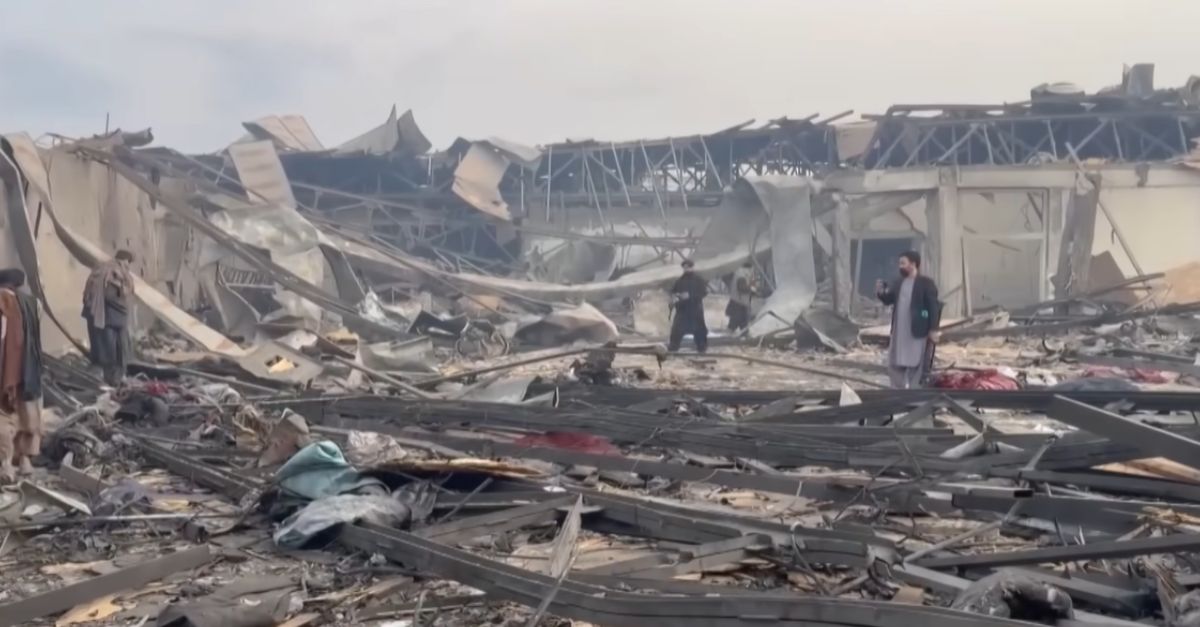
Afghan officials said the overnight airstrikes struck a 2,000-bed addiction treatment hospital in Kabul. The attack destroyed large parts of the facility. Authorities reported that hundreds of patients and staff were inside at the time. Rescue workers described a chaotic and devastating scene. Crews pulled bodies from the rubble throughout the day. Many victims remained trapped under collapsed concrete and debris.
Local media reports and international outlets, including Associated Press and Agence France-Presse, confirmed that rescue teams recovered dozens of bodies early on. However, Afghan officials placed the death toll much higher, at more than 400. Medical teams treated dozens of wounded survivors at nearby hospitals. Families rushed to medical centers in search of loved ones. Many waited anxiously for news, fearing the worst.
Pakistan strongly rejected the allegations. Officials said their military operations targeted only militant infrastructure in eastern Afghanistan. They denied striking civilian locations, including hospitals.
Pakistani authorities also dismissed the reported death toll as propaganda. They argued that Afghan officials inflated the figures to gain international sympathy. Afghanistan’s Taliban government, however, stood by its claims. Spokesperson Zabihullah Mujahid accused Pakistan of deliberately targeting civilian sites.
“This is a crime against humanity,” Mujahid said. He stressed that the victims included “innocent civilians and addicts” receiving treatment.
The conflicting narratives have made independent verification difficult. Observers say the true scale of the damage and casualties remains unclear.
The airstrikes come amid growing tensions along the Afghanistan-Pakistan border. Both sides have reported frequent clashes in recent weeks. Afghan officials said earlier that border skirmishes killed at least four people. These incidents have fueled fears of a wider conflict between the neighboring countries.
The dispute largely centers on the TTP, a militant group that operates along the border. Pakistan accuses Afghanistan of providing a haven to TTP fighters. Afghan authorities deny the claim. Analysts say the issue has strained relations between the two countries for years. Recent violence has only deepened mistrust.
Rescue workers described the aftermath as one of the worst scenes they had witnessed. Allah Mohammad Farooq, a local responder, said most victims were buried under rubble when teams arrived.
“We used heavy machinery to recover bodies,” he said. “Many were already dead. Others may still be trapped.”
Residents near the hospital shared similar accounts of loss and uncertainty. Haji Najibullah said his son and relatives were inside the facility during the strike.
“We don’t know who survived,” he said. “We are still waiting for any information.”
Hospitals across Kabul struggled to handle the influx of injured people. Doctors worked around the clock to treat patients, many with severe injuries.
The attack drew concern from international observers. Richard Bennett, a United Nations human rights expert on Afghanistan, said he was “dismayed” by reports of civilian casualties. He urged both sides to show restraint and respect international law. He emphasized the need to protect civilians and medical facilities during conflicts. Global organizations have called for an immediate de-escalation. Many warned that continued violence could worsen the humanitarian situation in the region.