WASHINGTON (Diya TV) — A California woman has filed a federal civil rights lawsuit naming Indian Prime Minister Narendra Modi, Iran’s Supreme Leader Ali Khamenei, and U.S. Attorney for the District of Columbia Jeanine Pirro. The complaint alleges surveillance, harassment, and attempts on her life, according to court documents.
Diane Demmar, who is representing herself, filed the lawsuit on Aug. 15 in the U.S. District Court for the Central District of California. The suit, brought under the federal civil rights statute 42 U.S.C. § 1983, claims that the defendants acted “under color of law” to harm her.
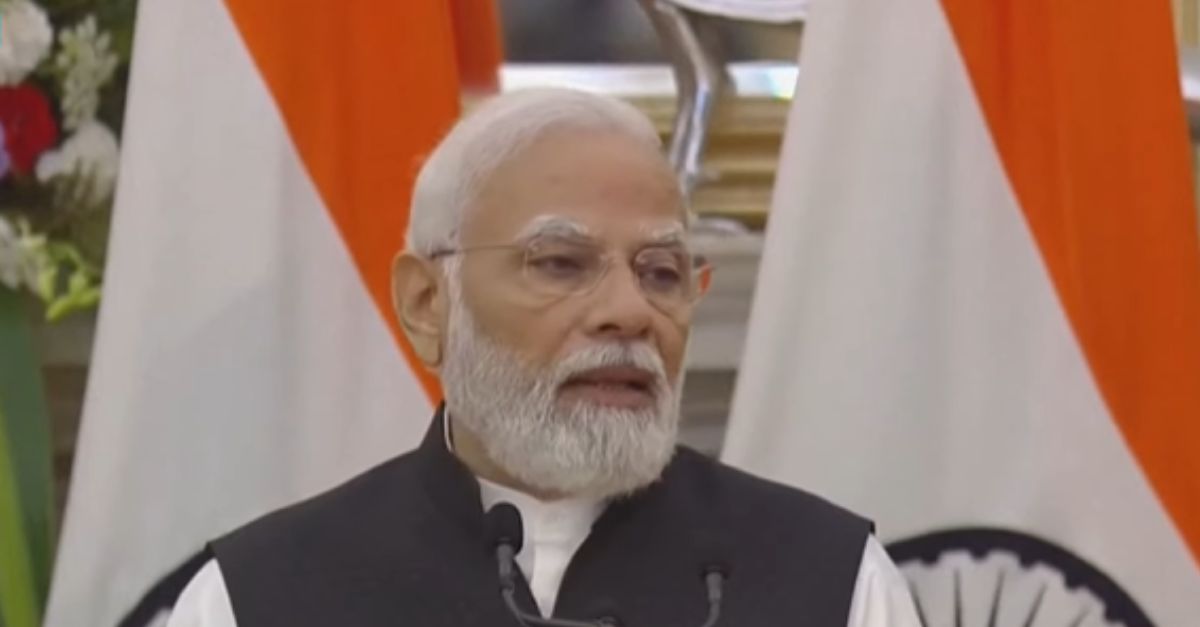
In a nine-page filing, Demmar accuses Modi of supervising surveillance and organizing “group-assisted murder attempts through hired hitmen” to cover up alleged crimes by U.S. Supreme Court Chief Justice John G. Roberts Jr. She claims Modi is a “witness and participant in attempts to kill me” and alleges he used artificial intelligence to track her movements around the clock.
Demmar also alleges that Modi practiced Hindu rituals intended to harm her. She claims he tried to fabricate signs of mental illness, which she says would allow U.S. officials to take legal action against her.
The lawsuit also targets Pirro, the U.S. Attorney for Washington, D.C., appointed in May 2025 after a career as a judge, prosecutor, and television host. Demmar claims Pirro participated in “violence” and covert surveillance designed to discredit her.
Khamenei, she alleges, oversaw surveillance and “group-assisted murder attempts,” again to protect Chief Justice Roberts from potential legal consequences.
Court records show the case was initially assigned to U.S. District Judge Christina A. Snyder and Magistrate Judge Maria A. Audero. On Sept. 8, Demmar filed a motion to disqualify both judges, requesting reassignment to a male judge and citing alleged bias.
U.S. District Judge Percy Anderson denied the motion on Sept. 17, stating that Demmar had not provided sufficient factual evidence. “Conclusory allegations … do not justify disqualification,” Anderson wrote, referencing established standards for judicial recusal.
Civil rights claims under §1983 usually involve violations by state or federal officials. Experts note that including foreign heads of state and a top U.S. prosecutor makes this lawsuit highly unusual.
“Sitting prime ministers and heads of state are generally immune from such suits under the Foreign Sovereign Immunities Act and principles of head-of-state immunity,” said a Los Angeles attorney specializing in federal litigation who is not involved in the case.
The court has not ruled on the actual allegations. None of the named defendants has filed a response. Legal analysts predict the lawsuit may face early dismissal due to jurisdictional and immunity protections.
Lawsuits involving foreign leaders are rare in U.S. courts. The Foreign Sovereign Immunities Act typically prevents such cases. Even U.S. officials, like federal prosecutors, have limited exposure in civil rights suits unless clear misconduct is proven.
Demmar’s allegations combine claims against international leaders, a federal prosecutor, and a Supreme Court official. Legal experts say this combination is almost unprecedented.
The case highlights ongoing debates about the limits of civil rights protections and the scope of legal immunity for high-ranking officials. Courts generally require strong evidence before allowing cases that involve national leaders or foreign heads of state to proceed.
The U.S. District Court for the Central District of California will determine if Demmar’s case can move forward. Observers say the lawsuit faces an uphill battle. Even if it survives initial dismissal, the defendants’ legal teams could seek expedited removal based on immunity laws.
For now, the court’s docket shows no substantive filings from Modi, Khamenei, or Pirro. Legal analysts say early dismissal is likely, but the case may continue for procedural reasons.
Demmar’s lawsuit is a rare example of a civil rights complaint that crosses international boundaries and involves some of the world’s most powerful leaders. Its outcome could clarify the limits of U.S. jurisdiction over foreign officials and federal authorities in civil rights cases.