SACRAMENTO, Calif. (Diya TV) — California businesses are facing rising payroll taxes because the state has not repaid its federal pandemic unemployment loan, a debt that now tops $20 billion. Employers large and small say the cost has become a hidden tax that makes it harder to hire, grow, and stay competitive.
California is the only state in the nation that has not paid off its federal unemployment insurance loan from the COVID-19 pandemic. The Trump administration issued the loan in 2020 to help the state cover massive unemployment claims after schools and businesses shut down.
Every other state repaid similar loans. Most used federal stimulus funds, a repayment option was later allowed under the Biden administration funds. California leaders chose a different path. Lawmakers and Gov. Gavin Newsom used the money for other state expenses instead of reducing the unemployment debt. As a result, federal law now shifts the burden to employers.
Because the state missed the repayment deadline, California employers must pay higher federal payroll taxes. Each employer will pay an extra $42 per employee this year. The fee applies regardless of business size or whether workers are full-time or part-time.
The cost will keep rising. In 2027, the surcharge jumps to $63 per employee. It then increases by $21 per employee every year until the debt is paid. Rob Lapsley, president of the California Business Roundtable, calls it “the greatest hidden tax.” His group represents many of the state’s largest employers.
“That debt is increasing annually,” Lapsley told KCRA. “Now it has become a problem for both large and small businesses.”
Business leaders warn that the higher payroll taxes hurt job growth. They say the extra costs discourage hiring and expansion, especially for small businesses and nonprofits already under pressure from inflation and high operating costs.
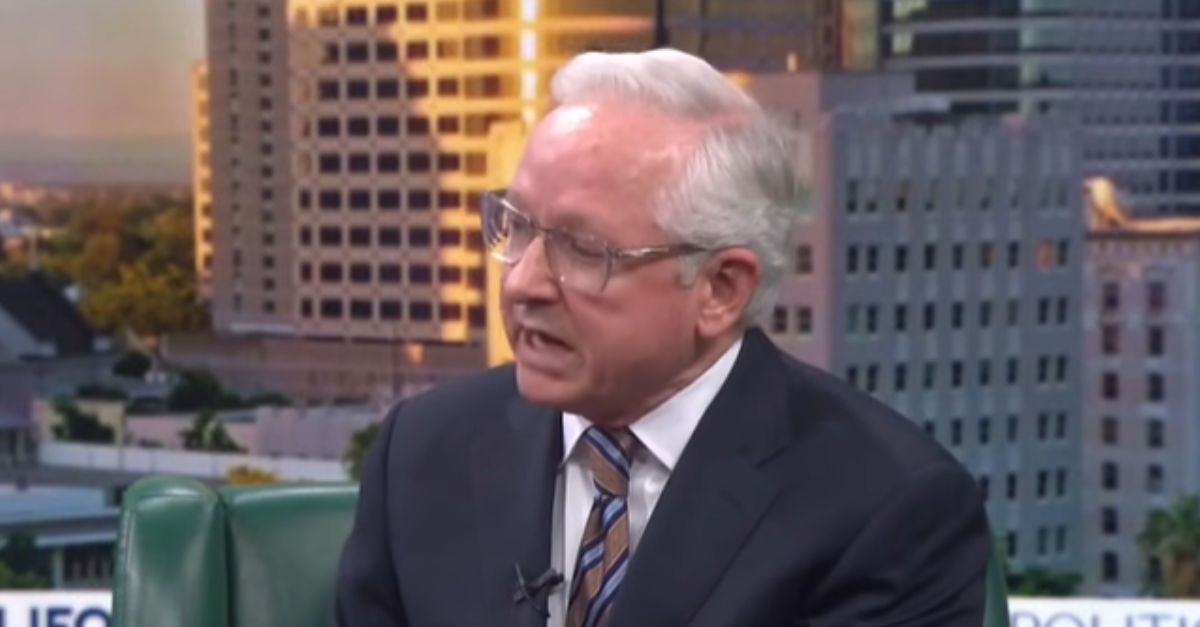
“It creates another disincentive to scale and grow jobs here,” Lapsley said in an interview on California Politics 360.
He noted that employers now pay about $130 per employee in total payroll tax increases tied to the unemployment system. He also warned that penalties could rise sharply if the federal government takes further action.
“If we don’t get a handle on this, we could be well over $400 per employee,” Lapsley said. “That’s our fear.”
Last year, Newsom said he tried to put billions toward the loan. Legislative leaders said they wanted to ease the impact on small businesses and nonprofits. In the end, they took no action and paid nothing toward the principal. Lapsley said the business community urged the state to use $10 billion in federal stimulus funds to pay down the debt. That did not happen.
He did credit the governor for blocking proposals to expand unemployment benefits to striking workers. Lapsley said such a move would have deepened the deficit in the system.
“But we’re still stuck with $21 billion,” he said.
State leaders say the unemployment insurance system has long faced structural problems. They argue reforms must balance business concerns with worker protections.
“The Unemployment Insurance system is a persistent challenge,” said Senate President Pro Tem Monique Limón. She said the Senate wants to work with the governor and stakeholders on reforms that support small businesses while protecting workers.
Assembly Speaker Robert Rivas’ office echoed that view. A spokesman said California’s unemployment system has struggled since the 1980s and needs long-term fixes. He added that lawmakers would consider future proposals from the governor if business and labor groups reach a compromise.
California continues to face budget deficits, with another shortfall expected next year. That reality dims hopes that the state will step in to pay down the unemployment loan.
“We’re not hopeful at all,” Lapsley said. “There was a deliberate decision by leaders of the state for businesses to pay this.”
For now, California employers must absorb the rising costs. Many warn that the unpaid pandemic unemployment loan will keep acting as a quiet tax on jobs unless state leaders change course.