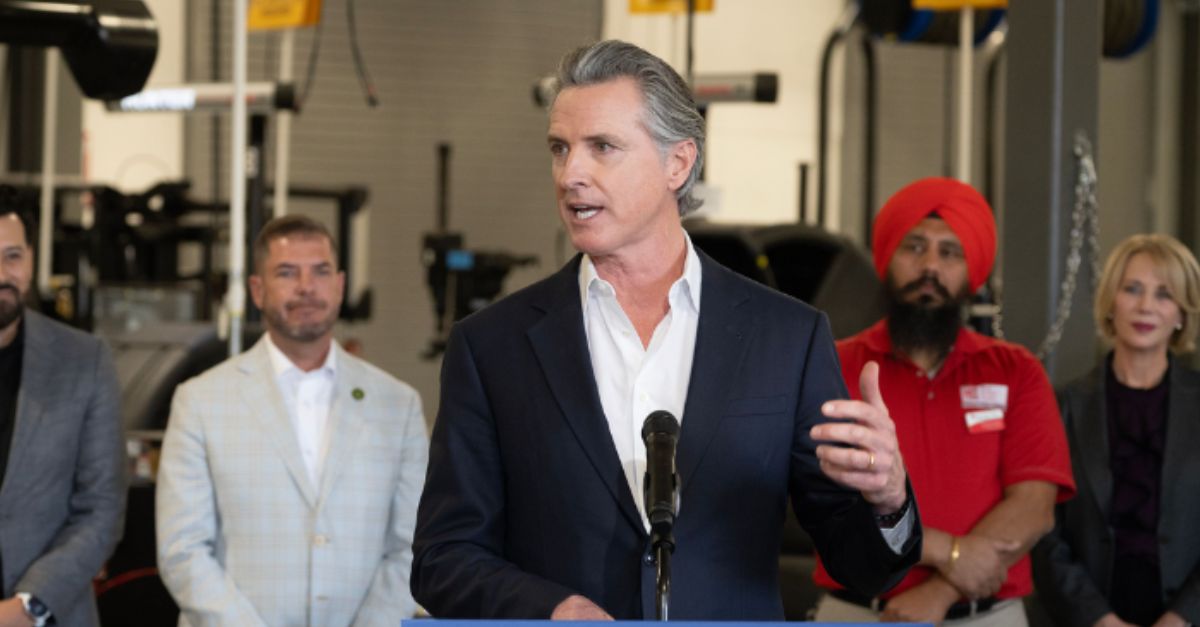
LOS ANGELES (Diya TV) — California is once again leading the nation in children’s health. Governor Gavin Newsom, on October 9, signed Assembly Bill 1264, a groundbreaking law that will phase out ultra-processed foods from school meals across the state. The new law makes California the first state in the nation to define ultra-processed foods and remove the most harmful products from student menus over time.
The law, authored by Assemblymember Jesse Gabriel (D–San Fernando Valley), sets a new standard for school nutrition. It directs California schools to gradually eliminate ultra-processed foods—products made with artificial ingredients, chemical additives, and industrial processing methods linked to poor health outcomes.
Governor Newsom said the measure continues California’s leadership in protecting children’s well-being. “California has never waited for Washington or anyone else to lead on kids’ health,” he said. “This first-in-the-nation law makes sure every student has access to healthy, delicious meals that help them thrive.”
Gabriel praised the move as a “historic step toward protecting our children from harmful additives,” calling it a bipartisan, science-based effort. “Here in the Golden State, Democrats and Republicans are joining forces to ensure that students are receiving healthy, nutritious meals made from real foods, not harmful chemical additives,” he said.
The law comes amid growing concern over rising childhood obesity and prediabetes rates. According to the Centers for Disease Control and Prevention (CDC), 32.7 percent of teenagers aged 12 to 19 are prediabetic. Health experts warn that diets high in ultra-processed foods increase the risk of heart disease, diabetes, and other chronic illnesses.
Newsom said the new law is based on a simple idea: “Schools should not serve students products that can harm their health or interfere with their ability to learn.” He added that many children rely on school meals as their main source of nutrition, making food quality critical for both health and academic success.
AB 1264 builds on California’s long history of improving school nutrition. Under Newsom’s leadership, the state has implemented universal free school meals for all TK–12 students, regardless of income. It also launched the Farm to School program, which connects classrooms with local growers to provide fresh, locally sourced meals.
In recent years, California has also banned sodas on K–12 campuses and restricted caffeine in all grade levels. The state requires that entrees meet strict standards for calories, fat, and trans-fat, even when sold as leftovers — a rule that exceeds federal nutrition requirements.
The new law aligns with Newsom’s January executive order directing state agencies to study and reduce the harms associated with ultra-processed foods. It also follows his earlier approval of AB 418 and AB 2316, which banned several chemical food additives such as red dye 3 and brominated vegetable oil from products sold in California.
California’s actions have already inspired other states and the federal government to consider similar bans on toxic additives and harmful food ingredients. Newsom’s administration says the state’s success proves that strong public health policies can be both effective and popular.
“This law shows that California will always put kids first,” said First Partner Jennifer Siebel Newsom, who has championed healthy food programs in schools. “When we invest in better nutrition, we invest in our children’s futures.”
California was also the first state to codify President Biden’s federal school nutrition standards, reducing sugar and salt in school meals. The new ultra-processed foods law ensures that even if federal standards change, California will continue to maintain high nutritional benchmarks.
Newsom contrasted California’s proactive approach with federal inaction, saying, “While Washington debates how to ‘make America healthy again,’ they need not look any further than California.”
Over the past year, the state expanded access to food assistance, reduced processed food consumption, and provided summer food benefits to more than four million children through the SUN Bucks program. Each eligible child received $120 in food benefits, helping families keep nutritious meals on the table.