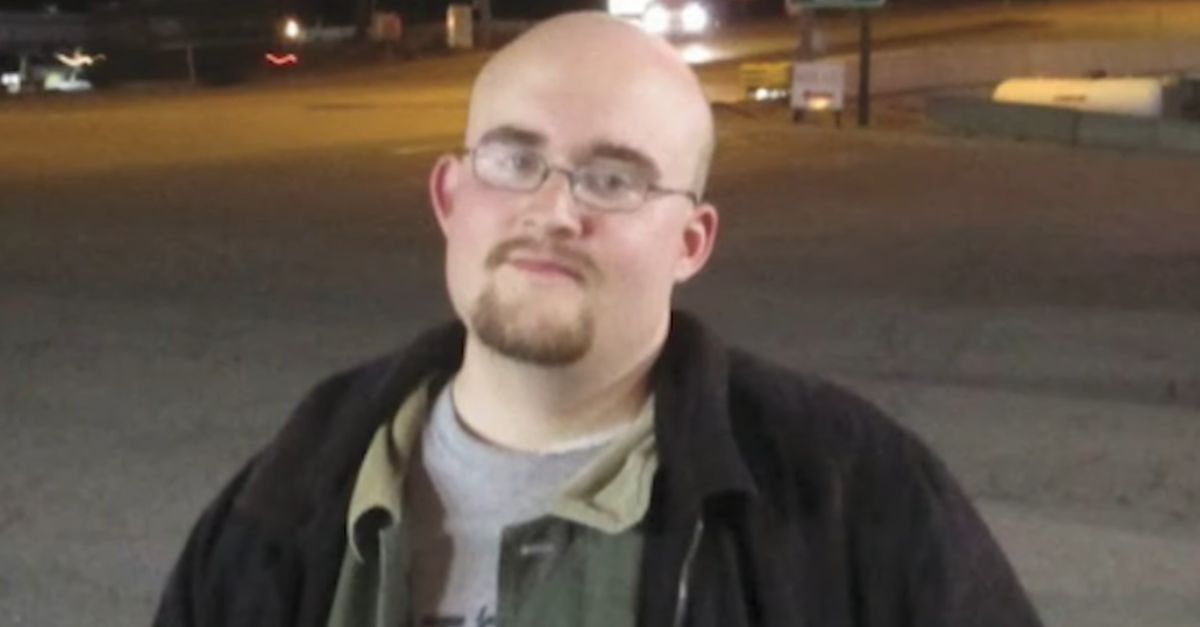
NEW YORK (Diya TV) — An American far right-wing activist and blogger has sparked outrage after calling for the mass deportation of all Indian-origin people from the United States, warning that violence against the community and Hindu temples could surge in 2026. Matt Forney, a commentator with a record of anti-immigrant rhetoric, made the remarks in a now-deleted post on X. Civil rights groups and social media users condemned the comments as racist and inflammatory. The episode comes amid a documented rise in anti-Indian sentiment online and growing concern about threats to minority communities.
In the deleted post, Forney claimed hatred toward Indians in the U.S. would reach a “boiling point” in 2026. He alleged that Indian-origin people, their homes, businesses, and Hindu temples would face increased risks of mass shootings and bombings.
Forney tried to craft his bigoted remarks as a call for peace. He argued that the United States should deport all Indian Americans to prevent violence and preserve social harmony. He used the slogan “DEI: Deport Every Indian,” a phrase he has repeated in earlier posts. Critics said the language read like a threat rather than a warning. Several users accused him of promoting collective punishment and inciting violence against an entire ethnic group.
Forney has a long history of targeting Indian immigrants and Indian Americans online. He recently lost his job at the conservative media outlet The Blaze after posting derogatory comments about Indians. He had worked there as a reporter covering Indian issues and the H-1B visa program.
In one earlier post, Forney attacked Kruti Patel Goyal after she was appointed CEO of Etsy. He called her “unqualified” and claimed, without evidence, that she would replace American workers with Indians. The post repeated his call to “Deport Every Indian.”
Advocacy groups say such claims fuel stereotypes about Indian tech workers and the H-1B visa system. Many economists note that Indian-origin professionals play a major role in U.S. technology, health care, and higher education. Moreover, the majority of Indian Americans are U.S. citizens.
Anti-immigrant rhetoric targeting Indian-origin people has increased in recent years. The H-1B visa program has drawn sharp criticism from right-wing commentators who argue it harms U.S. workers.
Researchers at the Center for the Study of Organized Hate documented a spike in anti-Indian content on X over the past year. A CNN report from November 2025 cited the group’s findings. The center recorded nearly 2,700 posts in October that promoted racism or xenophobia against Indians and Indian Americans. These experts say social media platforms often amplify extreme views. They warn that repeated exposure can normalize hate speech and increase the risk of real-world violence.
In his post, Forney claimed future attacks would not come from white Americans. He instead blamed racial minorities, including African Americans, Hispanic Americans, and Pakistani-origin citizens. He also alleged that the media would hide such crimes to protect political narratives. Many users condemned those claims as racist and divisive. They said Forney tried to pit minority groups against each other while spreading fear. Civil rights advocates stressed that hate crimes come from individuals, not entire communities.
Forney deleted the post within hours. He later claimed that critics had mass-reported him. Screenshots of the original message quickly spread in the comments section, keeping the controversy alive. Users on X accused him of cowardice and demanded accountability. Some tagged the FBI and called for an investigation into incitement to violence. Others tagged India’s Ministry of External Affairs and urged diplomatic action.
Legal scholars note that calls for mass deportation based on ethnicity violate core principles of U.S. law. They also warn that repeated rhetoric predicting violence can escalate tensions and inspire lone actors. Indian Americans number more than 5 million and rank among the fastest-growing ethnic groups in the U.S. Many leaders fear that sustained online hate could translate into threats against families, workplaces, and places of worship.