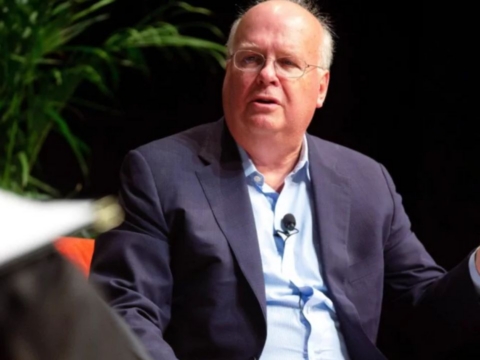
WASHINGTON (Diya TV) — U.S. immigration policies, especially around the H-1B visa program, may be hurting the American economy more than helping it, according to Rep. Ami Bera. The California Democrat warned that the ongoing controversy around the visa program is pushing Indian entrepreneurs to build and test new ideas outside the United States. Bera shared his views during a conversation with the Carnegie Endowment for International Peace.
The H-1B visa program allows U.S. companies to hire highly skilled foreign workers, especially in technology and engineering. For years, it has played a key role in attracting global talent to the United States. However, the program has also faced criticism. Some lawmakers argue it takes jobs away from American workers. Others say it is essential for innovation and economic growth. Bera believes the current debate sends the wrong message.
“The H-1B issue really backfires on the U.S. economy,” he said. He explained that uncertainty and restrictions discourage entrepreneurs from choosing the United States as their launch base.
Bera pointed out a growing trend among Indian founders. Instead of moving to the United States, many now choose to build their startups in India. They often develop proof-of-concept projects there before considering global expansion. India’s startup ecosystem has grown rapidly in recent years. Cities like Bengaluru, Hyderabad, and Mumbai have become major innovation hubs. Lower costs, access to talent,t and supportive policies attract entrepreneurs.
Bera said U.S. immigration challenges play a role in this shift. When skilled workers face visa delays or uncertainty, they look for opportunities at home. This change could have long-term consequences. The United States risks losing early-stage innovation that could later turn into major companies.
The global race for talent is more competitive than ever. Countries such as Canada, the United Kingdom, and Australia have introduced policies to attract skilled workers and entrepreneurs. Bera warned that the United States may fall behind if it does not adapt.
Innovation often starts with small ideas. These ideas grow into startups and eventually large businesses. If those early stages happen outside the United States, the economic benefits may also stay abroad. He stressed that immigration policy should support innovation rather than limit it.
Lawmakers face a challenge. They must balance concerns about domestic jobs with the need to attract global talent. The H-1B debate reflects this tension. Supporters of reform argue for a more flexible system. They want faster processing times and clearer rules. Critics call for stricter limits to protect American workers.
Bera believes the focus should remain on economic growth. He said the United States has long benefited from welcoming skilled immigrants. Many of the country’s top technology companies were founded or co-founded by immigrants. These businesses have created millions of jobs and driven innovation.