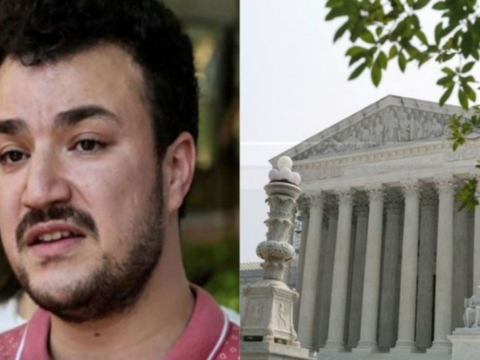
STATE COLLEGE, Pa. (Diya TV) — Subramanyam “Subu” Vedam, a 64-year-old Indian-origin man, faces deportation from the United States just days after being released from prison. Vedam spent more than 40 years behind bars for a murder he did not commit. His sudden arrest by U.S. Immigration and Customs Enforcement (ICE) has sparked widespread protests and drawn national attention.
Vedam was convicted in 1983 for the murder of his friend, 19-year-old Thomas Kisner. He was sentenced to life without parole and maintained his innocence throughout his incarceration. All his appeals were denied, keeping him in prison for over four decades.
In 2022, new evidence emerged that ultimately cleared Vedam. Investigators found that the bullet wound in Kisner’s skull was too small to have come from the gun initially believed to be the murder weapon. This evidence overturned the decades-old conviction, making Vedam the longest-serving exoneree in Pennsylvania history and one of the longest-serving in the United States.
Vedam walked out of Huntingdon State Prison on Oct. 3, only to be taken into custody by ICE. Authorities acted on a deportation order issued in the 1980s, decades before Vedam was cleared of the murder charge. ICE officials confirmed that the detainer had been in place since 1988, but his life sentence had prevented deportation until now.
The agency cited a prior drug conviction from Vedam’s youth. At age 19, he had pleaded guilty to intent to distribute LSD. Because he was serving a life sentence at the time, ICE did not deport him. Now, following his release, federal authorities are moving to enforce the order.
Vedam’s family has strongly opposed the deportation. “This move completely blindsided us,” said Mike Truppa, a family spokesperson, to the Miami Herald. He explained that Vedam has spent nearly his entire life in the United States and has minimal connection to India. Vedam’s niece, Zoë Miller Vedam, said her uncle has no real ties to India. “He left India when he was nine months old,” she said. “His whole family—his sister, nieces, and grand-nieces—are U.S. citizens, and we all live here. India is a completely different world to him now.”
Protests have begun in Pennsylvania, calling for Vedam’s release and protection from deportation. Advocates argue that sending him to India would separate him from his entire support network after spending 44 years behind bars for a crime he did not commit.
Vedam’s case highlights complex intersections of criminal justice and immigration law. Critics say that using a decades-old deportation order against a man exonerated of a wrongful conviction raises ethical and legal concerns. Legal experts note that Vedam’s situation is unusual. Many exonerees struggle to rebuild their lives after long incarcerations. Deporting someone who has no meaningful ties to the country where they spent most of their life could have severe social and emotional consequences.
Vedam’s family continues to fight for his freedom. “It’s been a very long journey toward exonerating my uncle,” Zoë Miller Vedam said. “We’ve been fighting and supporting him the whole time. Now, we hope he can finally live freely in the country he calls home.”