LOS ANGELES (Diya TV) — More than three years after Los Angeles Mayor Karen Bass launched her flagship anti-homelessness initiative, nearly 40% of the people the program moved indoors have ended up back on the street, according to data from the Los Angeles Homeless Services Authority (LAHSA).
Los Angeles has spent more than $300 million on Inside Safe since Bass launched the program in December 2022, clearing scores of homeless encampments and moving about 5,800 people into interim housing, mostly hotels and motels. Monthly dashboards published by LAHSA and analyzed by the Los Angeles Times show a pattern of rising returns to unsheltered homelessness over the program’s three-year lifespan.
In 2023, at the program’s one-year mark, nearly 20% had returned to the street. Halfway into Bass’ four-year term, the figure had climbed above 30%. In December, as the program finished its third year, about 40% of the people who had gone indoors, 2,300 of the 5,800, were back on the street, according to LAHSA’s dashboard. That sf eesxincludes people who were kicked out of their housing or disappeared from the system altogether.
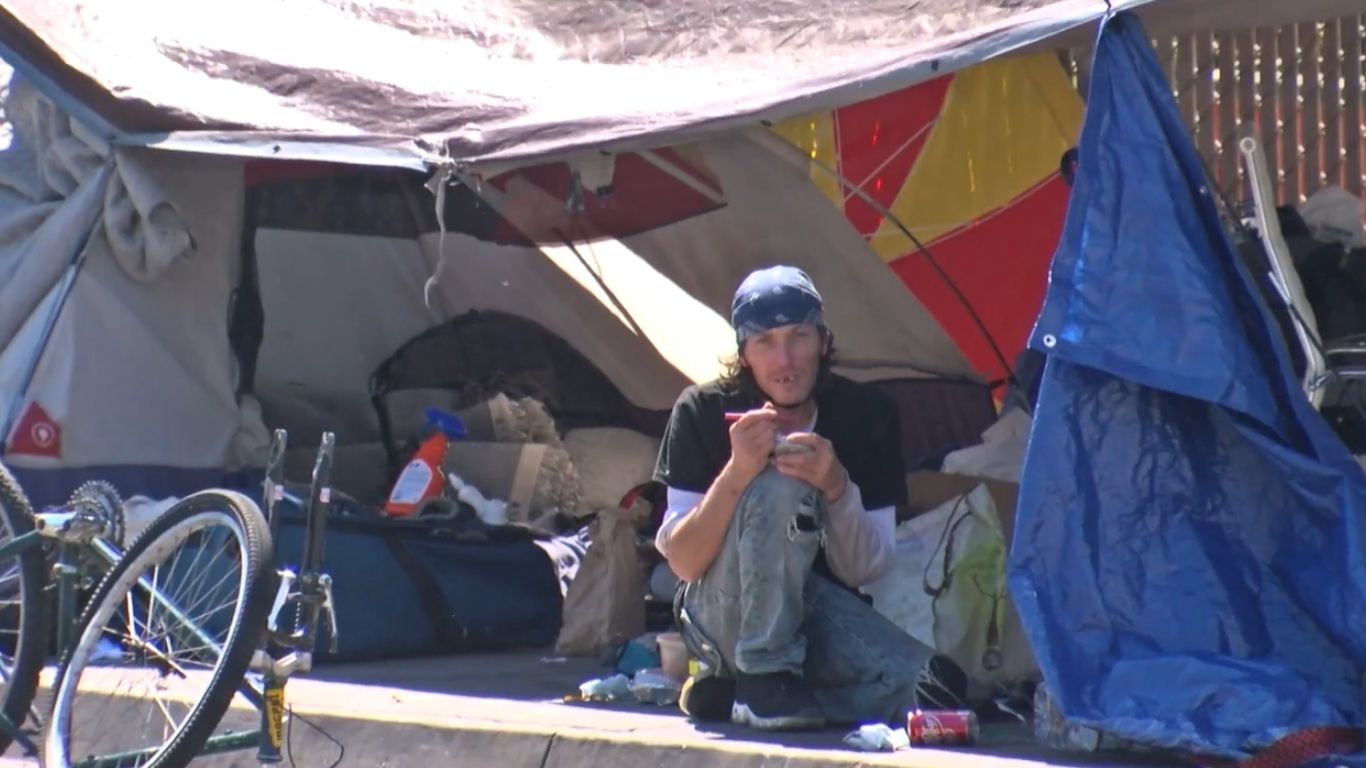
The experience of Jonathan Torres, 40, illustrates how participants can end up back outside. Torres had been living at the Highland Park Motel as part of Inside Safe. He and his neighbors, many of them from a downtown encampment, were told that visitors were not allowed. Torres kept having people over. After the third violation, the facility kicked him out. He now lives in a tent in Chinatown. “It’s nobody’s fault but my own, but I just feel it’s unfair,” Torres said. “In the real world, you’re allowed to have people come over. You have visitors. That’s part of keeping your sanity, you know?”
One structural challenge the program faces is the gap between its design and how it functions in practice. The goal of Inside Safe is to find permanent homes within 90 days, with a maximum stay of six months, according to the written agreement issued by the city to each participant. At this point, the average stay is 362 days, just shy of a year, according to recent LAHSA figures.
The program has also recorded positive outcomes. Inside Safe has been gradually moving a greater percentage of its residents into permanent housing. In December, about one out of every four people who participated in Inside Safe since its inception was in permanent housing, according to that month’s LAHSA dashboard. Two years earlier, that figure was about 15%. Once the program’s hotels, motels and other temporary lodging are factored in, about 55% were in some form of housing. Mayor Bass credits Inside Safe with a 17.5% reduction in street homelessness, from 33,000 to 27,000, over two years.
Bass spokesperson Kolby Lee highlighted those results when asked about the return-to-street figures. “The bottom line is that before Mayor Bass took office, past city leaders didn’t even bother with a comprehensive encampment strategy. Now, after so many years of increases, her new program is driving an almost 18 percent reduction in street homelessness,” Lee said. “She is the first mayor in L.A. history to reverse these numbers, and she’s done it two years in a row while also achieving the first decline in homeless deaths on record.”
Bass said she believes that Inside Safe participants need more services to address mental health and substance use issues, and that the longer people stay, the more likely they are to violate the rules and face expulsion. “It’s critically important that we look at the people who left, why they left and what do we need to do to strengthen the interim housing that we have,” she said. The city has commissioned outside researchers to study the issue.
The program’s outcomes are also being examined in the context of broader spending concerns. A city controller’s analysis found that nearly half of Mayor Bass’ record $1.3 billion homelessness budget for fiscal 2023-24 went unspent. Only $599 million had actually been spent, with Controller Kenneth Mejia citing lack of staff, programs spread across multiple departments, and absent real-time data as contributing factors.
At the same time, the administrative structure overseeing homelessness services in Los Angeles is undergoing significant change. The L.A. County Board of Supervisors voted to pull more than $300 million in annual funding from LAHSA and transition to a new county Department of Homeless Services and Housing, after two audits found the agency was failing to properly track spending and outcomes.
The data is being released amid a broader debate over federal funding for homelessness programs. The Trump administration has issued executive orders and campaign pledges to restrict funding and criminalize homelessness. Last week, a federal judge ruled that the administration’s attempt to change grant conditions for a long-standing homelessness assistance program was unlawful.