NEW YORK (Diya TV) — Zohran Mamdani unveiled a sweeping housing proposal Tuesday that aims to expand affordable housing, crack down on negligent landlords, and give tenants more control over troubled buildings across New York City.
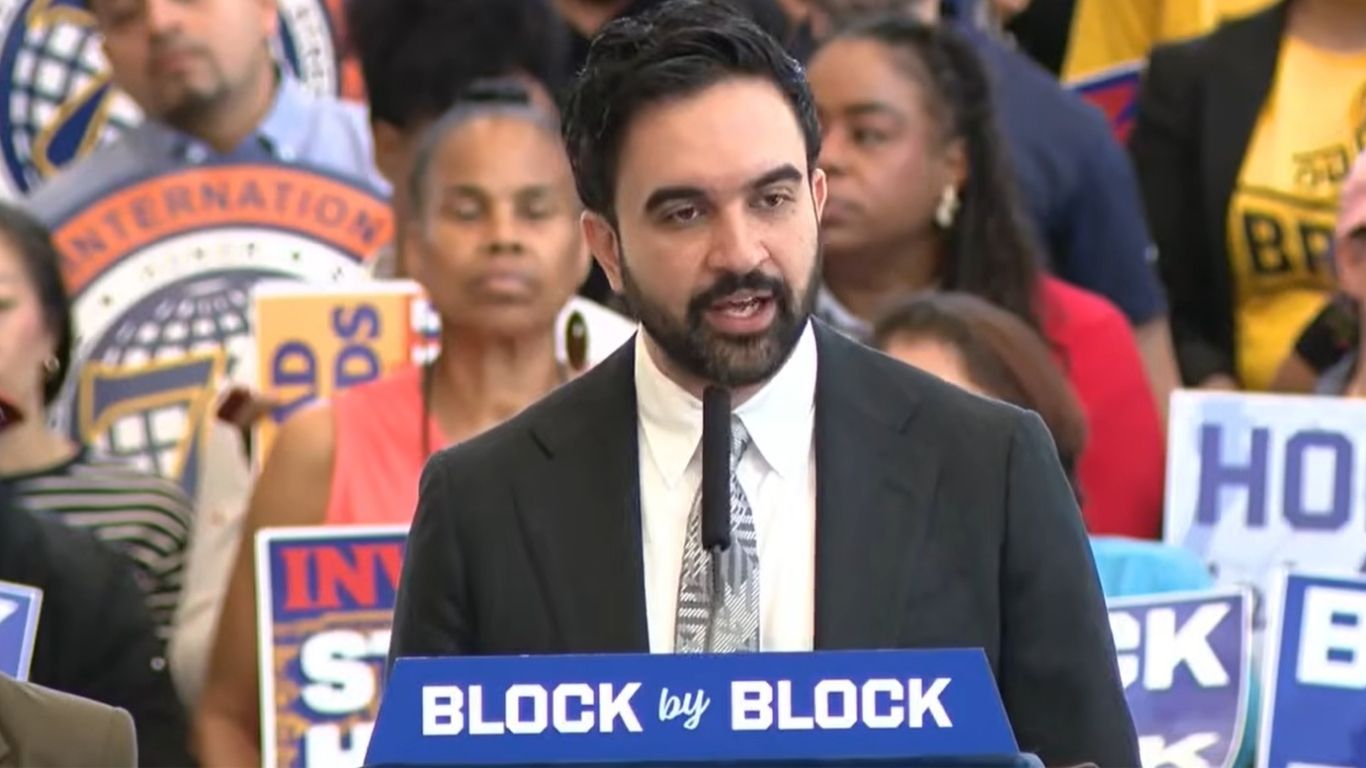
The mayor introduced the 111-page “Block by Block” housing plan in Brooklyn’s Gowanus neighborhood. The proposal calls for building 200,000 affordable homes and preserving or stabilizing another 200,000 units over the next decade. Mamdani said the city must take stronger action against landlords who fail to maintain safe living conditions.
“When necessary, we will take aggressive legal action to remove negligent owners and property managers,” Mamdani said during the announcement. He added that the city could help transfer ownership of severely neglected buildings to “responsible stewards,” including nonprofits, community land trusts, and even tenants. The proposal marks one of the most aggressive pro-tenant housing agendas in recent New York City history. Supporters say the plan would protect renters and improve housing quality. Critics argue it could discourage investment and worsen financial pressure on small property owners.
A major part of the proposal focuses on code enforcement against landlords with repeated housing violations. The administration’s “Fix the City” initiative would investigate at least 10 housing portfolios with large concentrations of severe violations this year. Officials said the city would use the existing 7A legal program to remove negligent landlords and property managers from daily operations when necessary. The city could also help shift ownership of chronically neglected buildings to nonprofit groups or tenant-led organizations.
The plan includes a new initiative called “Our Home,” which would help tenants convert rental buildings into resident-controlled, affordable cooperatives. City officials expect the program to support 300 affordable housing units during the next two fiscal years. The broader housing proposal calls for a $22 billion investment over five years to create and preserve affordable housing.
The plan sets aside $5.6 billion for the New York City Housing Authority, commonly known as NYCHA. Mamdani said the city would use a public-private trust model to repair aging public housing buildings. The proposal would also lower rent burdens for low-income residents in city-subsidized housing developments. Under the plan, qualifying tenants would pay no more than 25% of their monthly income toward rent. Current standards often require tenants to spend up to 30%. Housing advocates praised the proposal for focusing on affordability and tenant protections during a period of rising rents across the city.
Real estate leaders and business groups quickly criticized several parts of the plan. The proposal would require a $40-per-hour minimum wage for workers on city-funded affordable housing projects. It would also give nonprofit organizations priority opportunities to purchase some private properties. Steve Fulop, president of the Partnership for New York City, said the added regulations could hurt housing development.
“The administration’s housing policy adds work rules that front-load costs onto any new development,” Fulop said. He argued that additional rules tied to property sales could discourage investors from building in New York City.
Landlord groups also criticized the proposal. Ann Korchak, president of the Small Property Owners of New York, called the plan overly favorable to tenants. Korchak said small rent-stabilized property owners already face growing financial pressure. She argued that some housing violations result from tenants refusing access to apartments for repairs.
Republican leaders also attacked the proposal. Joann Ariola said the mayor’s housing agenda reflected a far-left political approach rather than practical housing policy.
“Homeownership over perpetual rentorship should always be the goal,” Ariola said. She criticized the idea of using city resources to support tenant takeovers of neglected buildings.
The housing plan was developed by officials inside City Hall, including tenant advocate Cea Weaver, according to sources familiar with the proposal. Weaver previously drew attention for comments criticizing private property systems.
Mamdani defended the housing agenda as a necessary response to New York City’s affordability crisis. The administration argues that stronger tenant protections and major public investment will help stabilize neighborhoods and create long-term affordable housing options for working-class residents. The proposal now faces scrutiny from business leaders, housing advocates, and city lawmakers as debate over the future of affordable housing in New York City intensifies.