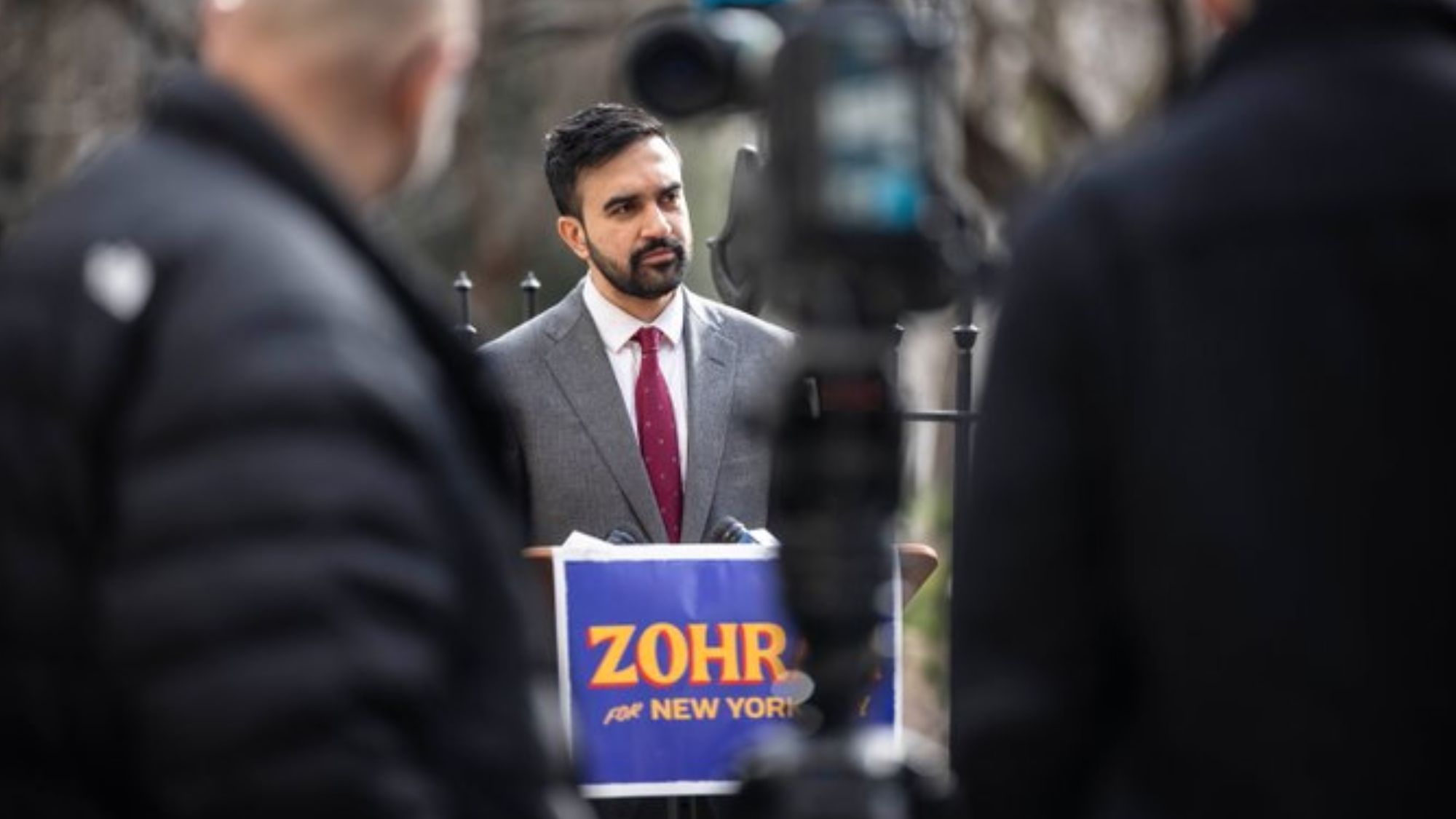
NEW YORK (Diya TV) — Zohran Mamdani, a rising star in New York politics and the Democratic nominee for mayor, is under scrutiny for how he identified his race on a college application more than a decade ago.
Mamdani, 33, who is widely known for highlighting his identity as a Muslim and South Asian immigrant, reportedly marked both “Asian” and “Black or African American” on his 2009 application to Columbia University, according to the New York Times. The revelation comes from internal data exposed during a recent cyberattack on the university.
The data, leaked by an anonymous academic critical of affirmative action, was part of a massive breach of Columbia’s admissions records. It showed that Mamdani identified himself as both Asian and Black. At the time, Columbia practiced race-conscious admissions, and listing Black or African American could have helped applicants.
In an interview, Mamdani said he does not identify as Black or African American but as “an American who was born in Africa.” He explained he selected multiple boxes to reflect his mixed heritage. Mamdani was born in Uganda to Indian parents, with family roots tracing back over a century in East Africa.
“Most college applications don’t have a box for Indian-Ugandans,” Mamdani said to the Times. “So I checked multiple boxes trying to capture the fullness of my background.”
He also wrote in “Ugandan,” where the form allowed more specific input.
Mamdani’s mother, Mira Nair, is a renowned Indian-born filmmaker, and his father, Mahmood Mamdani, is a professor at Columbia University. The family moved to New York in 1999. Though his father taught at Columbia, Mamdani said he never intended to attend the school and was eventually rejected. He attended Bowdoin College in Maine, where he studied Africana studies.
Mamdani’s multicultural upbringing included time in Uganda, South Africa, and the United States. On the campaign trail, he has leaned into his South Asian and Muslim identities. He has appeared in traditional South Asian attire and produced campaign materials in languages like Urdu and Bangla.
The racial identification issue comes at a sensitive time in the mayoral race. Incumbent Mayor Eric Adams, who is Black, accused Mamdani of trying to benefit from a racial identity that is not his own.
“The African American identity is not a check-box of convenience,” Adams said in a statement Thursday night. “It’s a history, a struggle, and a lived experience.”
Adams’ campaign called on Columbia to release Mamdani’s full admission records and investigate any possible policy violations.
The New York Times, which reviewed the hacked data, verified the authenticity of the records by cross-checking other student applications. Mamdani did not challenge the accuracy of the data tied to his application. Columbia declined to comment and has not confirmed or denied the details.
Mamdani has stated that the college applications were the only time he ever checked the Black or African American box. He emphasized that he has never publicly identified as Black during speeches or interviews.
Since his election to the New York State Assembly in 2020, Mamdani has supported legislation that pushes for more inclusive racial and ethnic classifications. He cosponsored a law requiring the state to collect data on Middle Eastern and North African populations. He says his own experience with the limited categories on college forms informed his legislative work.
“The inability of these boxes to reflect the breadth of New Yorkers’ lives and their backgrounds is something that has also influenced my legislative work,” Mamdani said.
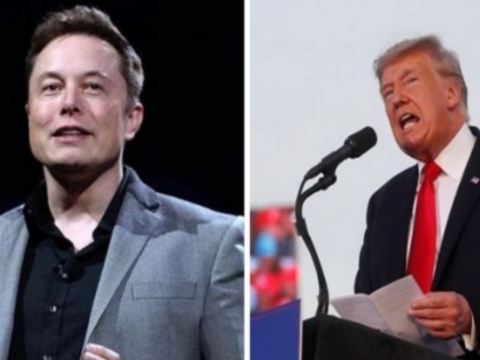
Mamdani, a democratic socialist, has also faced criticism from right-wing politicians. President Donald Trump has falsely accused him of being in the U.S. illegally and threatened to arrest him for protecting undocumented immigrants. Mamdani responded during a campaign rally, saying Trump is trying to “stoke the flames of division.”
“If this is what Donald Trump feels comfortable saying about the Democratic nominee for mayor,” Mamdani said, “imagine what they say about immigrants whose names they don’t even know.”
As the general election approaches, Mamdani’s background, identity, and political positions will likely remain at the center of public debate.