WASHINGTON (Diya TV) — The White House announced a major crackdown on Medicaid fraud on Thursday, including a decision to defer $1.3 billion in Medicaid reimbursements to California. Officials said the move aims to protect taxpayer money and stop abuse within government health care programs.
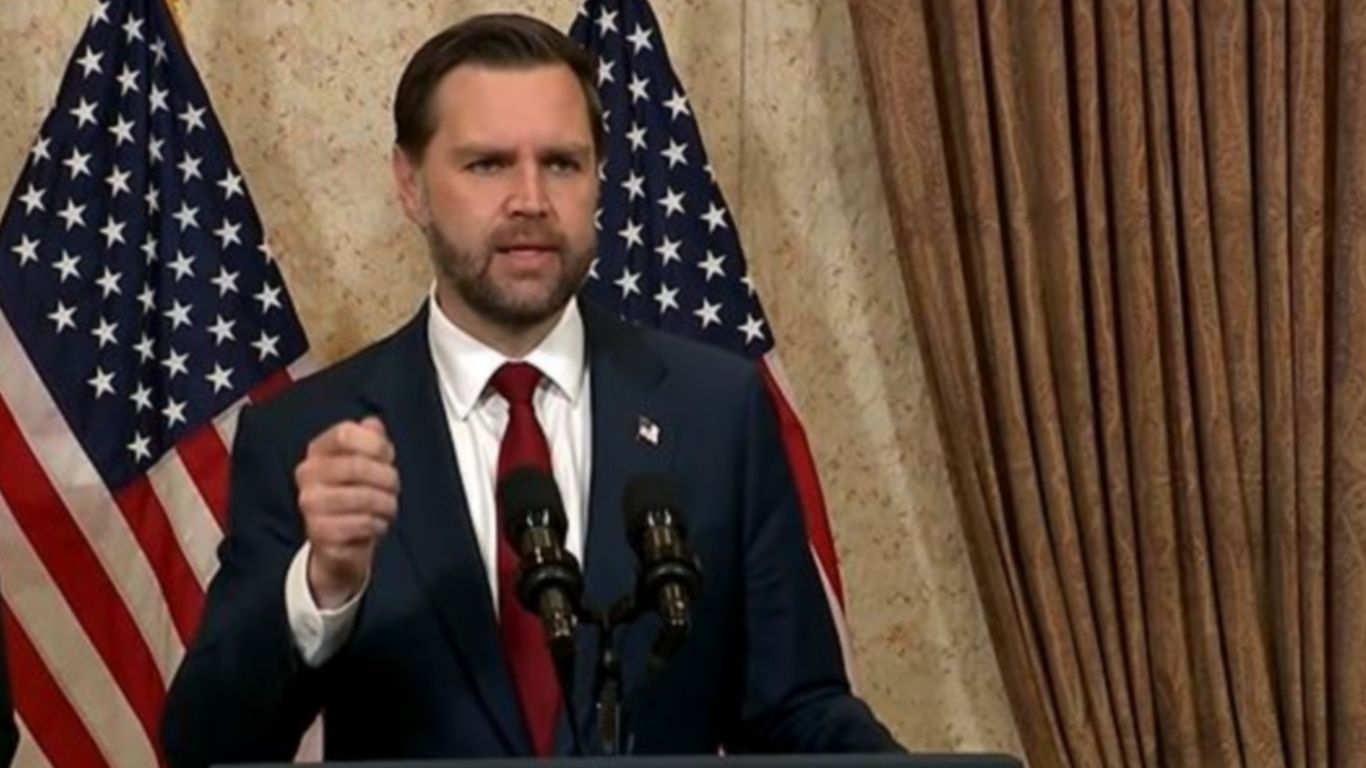
Speaking at the White House, Vice President JD Vance said the administration wants to ensure Medicaid benefits reach the people who truly need them. He said fraud harms both taxpayers and vulnerable Americans who rely on public health programs. The announcement came as President Donald Trump traveled in China. Vance joked that the White House felt unusually quiet without the president and senior staff in Washington.
Vance said the administration has spent months working to identify fraud in federally funded programs. He said officials want to stop criminals and dishonest providers from exploiting Medicaid for financial gain.
“This Fraud Task Force is about protecting the American people,” Vance said.
He argued that fraud creates two groups of victims. Taxpayers lose money that Congress intended for public assistance programs. Patients also suffer when dishonest providers misuse medical services or prescribe unnecessary treatments. Vance claimed some fraudulent health care providers prescribed medications patients did not need to increase payments from Medicaid. He said those actions violate public trust and waste federal funds.
The administration announced that the federal government will defer $1.3 billion in Medicaid reimbursements to California. Officials accused the state of failing to take Medicaid fraud seriously. Vance said California’s oversight failures allowed fraud to spread within parts of the state’s Medicaid system. He said the administration wants California officials to strengthen enforcement efforts and improve oversight.
California operates one of the nation’s largest Medicaid programs through Medi-Cal, which serves millions of low-income residents. Federal and state governments jointly fund the program. The administration did not immediately provide details about how long the payment deferral would remain in place or what specific actions California must take to restore the funds.
Vance also criticized several states for failing to investigate Medicaid fraud aggressively. He explained that Medicaid operates as a partnership between the federal government and individual states. The federal government provides most Medicaid funding, while states manage day-to-day operations. Each state also operates Medicaid Fraud Control Units, known as MFCUs, which investigate fraud and abuse within the program.
According to Vance, the federal government provides billions of dollars to support those anti-fraud units nationwide. However, he argued that some states fail to use those resources effectively. He said many Republican-led states pursue fraud cases aggressively, while several Democratic-led states do not prioritize enforcement.
Vance singled out Hawaii as an example of weak enforcement. He said Hawaii’s Medicaid program received billions of federal dollars but failed to secure a single indictment or conviction in recent years through its Medicaid fraud program.
“Not a single indictment, not a single conviction,” Vance said.
He argued that the lack of prosecutions shows some state administrators do not view Medicaid fraud as a serious problem. The administration plans to pressure states to improve investigations and strengthen fraud prevention efforts. Officials said stronger oversight could reduce waste and help preserve Medicaid resources for eligible patients.
The administration’s announcement could trigger political and legal disputes with states that oppose the federal government’s actions. Supporters of the crackdown argue that stronger oversight will protect taxpayer dollars and reduce abuse in public health programs. Critics, however, may argue that delaying Medicaid reimbursements could disrupt services for low-income families and health care providers.
Medicaid remains one of the largest government health programs in the United States. Millions of Americans depend on it for medical care, prescription drugs, and long-term health services. The White House said the new fraud enforcement effort will continue in the coming months as federal officials review state Medicaid programs across the country.