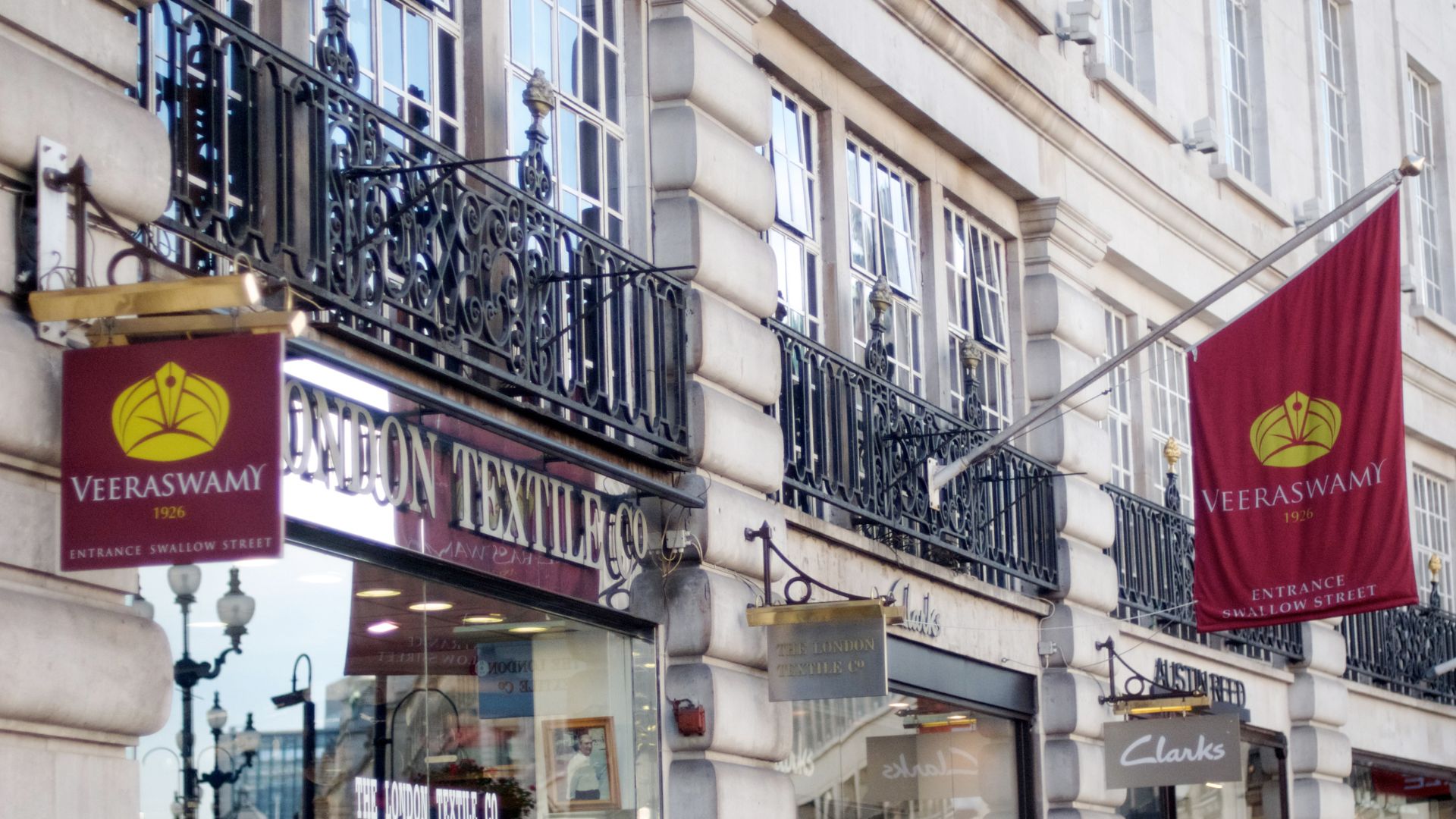
LONDON (Diya TV) — Veeraswamy, the United Kingdom’s oldest Indian restaurant and a Michelin-starred icon of British-Indian cuisine, is facing possible closure just shy of its 100th anniversary due to a lease dispute with the Crown Estate, which manages the building it occupies.
Located on Regent Street in central London, Veeraswamy has operated continuously since 1926. It was established by Edward Palmer, the great-grandson of the first governor general of India’s private secretary, and a Mughal princess. The restaurant opened its doors on the day of Queen Elizabeth II’s birth, and over the decades has served dignitaries, royalty, and celebrities—including Marlon Brando, Queen Elizabeth II herself, and more recently, the Prince of Wales.
Despite surviving the Blitz, post-war rationing, and London’s fiercely competitive dining scene, the landmark restaurant now finds itself at risk due to modern redevelopment plans. The Crown Estate, which owns Victory House—the listed building that houses Veeraswamy—intends to carry out a major refurbishment of the property. The plans include upgrading the offices above and expanding the ground-floor reception area, which would require the removal of the restaurant’s entrance.
Because of the building’s historic layout, the Crown Estate claims it has limited options and that preserving the restaurant’s current footprint would compromise accessibility improvements and office functionality. “Due to the limited options available in this listed building, we need to remove the entrance to the restaurant, which means we will not be able to offer Veeraswamy an extension when their lease expires,” the Crown Estate said in a statement this week.
Co-owner Ranjit Mathrani, who purchased the restaurant in 1996 with Namita Panjabi, is fighting the decision in court. Mathrani has submitted multiple proposals to maintain Veeraswamy’s operations on-site, including repurposing adjacent retail space to create a new entrance. He has also initiated legal proceedings in the High Court, challenging the Crown Estate’s move to terminate the lease.
Mathrani argues that the decision undermines a living piece of British history. “They [the royal family] believe in history, in living history, and that’s what this restaurant is. It’s not just a museum,” he told The Guardian. “I think they would be disappointed that an institution bearing their name would be so heartless.”
Revitalized in the 1980s after a period of decline, Veeraswamy was transformed under Mathrani and Panjabi into a fine dining institution. Their efforts culminated in a Michelin star in 2016. The restaurant has also represented Britain’s culinary ties with India on several prestigious occasions, including catering for a 2008 function at Buckingham Palace and serving at the UK-India 2017 Year of Culture launch.
Today, Veeraswamy’s menu continues to blend heritage with innovation. Signature dishes like the patiala shahi raan en croute—a Welsh lamb shank slow-cooked for six hours, wrapped in pastry and finished in a tandoor—sit alongside curated historical offerings. The dining room remains a place of quiet elegance, where visitors might still spot a celebrity or royal behind velvet-draped partitions.
At lunchtime on Monday, diners expressed deep affection for the institution. “It’s just a really lovely place, and for as long as I can remember, there’s always been a sort of excitement about it,” one told The Guardian. With its centenary approaching in April 2026, Veeraswamy’s fate now hinges on the outcome of the legal battle.
While the Crown Estate maintains that its refurbishment plans are vital for modernizing the listed building, critics argue that cultural institutions like Veeraswamy deserve protection, especially when they represent nearly a century of culinary and social history. Whether the courts will side with heritage or modernization remains to be seen. For now, the restaurant that helped introduce Britain to Indian cuisine fights to keep its storied doors open.