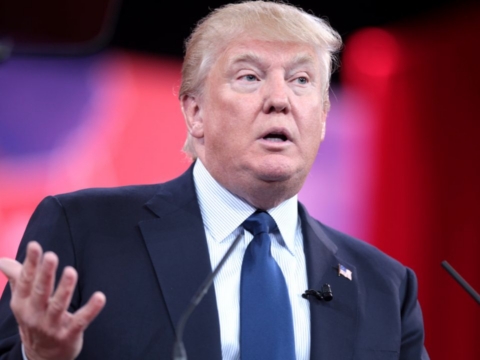
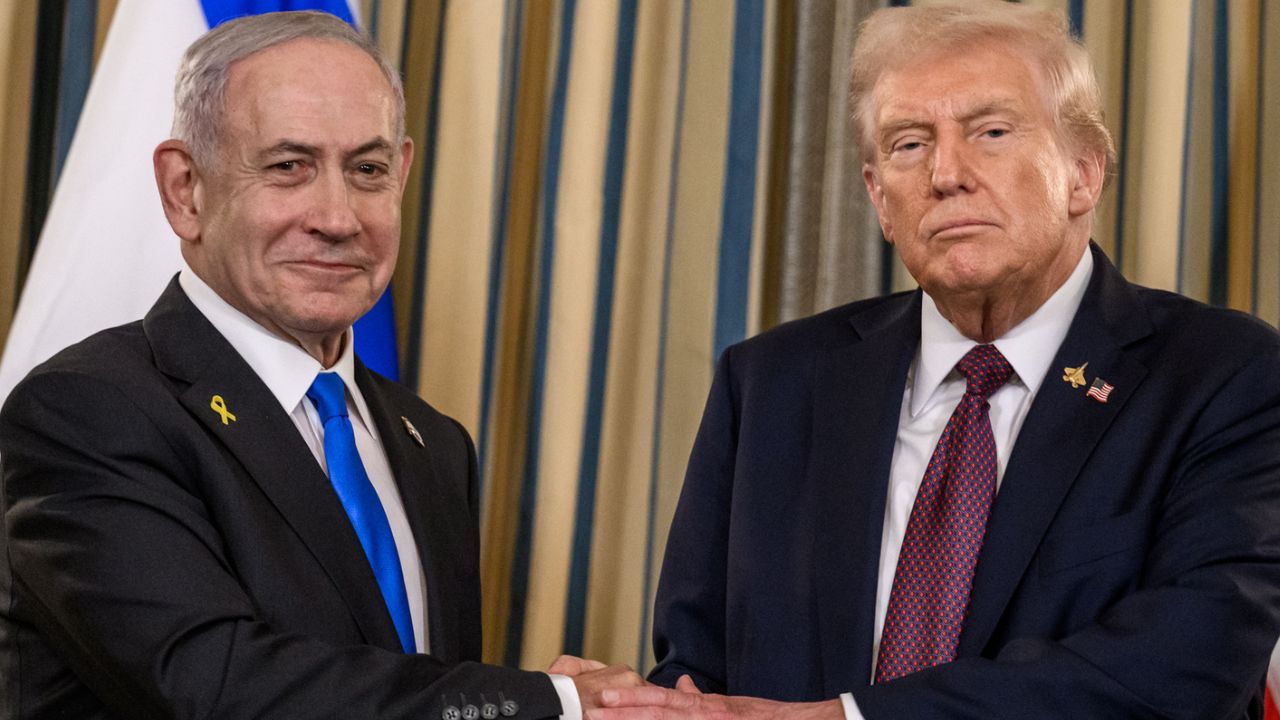
WASHINGTON (Diya TV) — President Donald Trump said Tuesday that the United States will stop providing Israel with annual aid after 2026 but will continue selling it weapons. He said he and Israeli Prime Minister Benjamin Netanyahu agreed to the change months ago. Netanyahu’s office had not confirmed the agreement.
Trump described the aid as $4 billion a year. The current U.S.-Israel memorandum of understanding provides $3.8 billion annually through fiscal 2028: $3.3 billion in Foreign Military Financing and $500 million for joint missile-defense programs. The 2016 agreement pledges a total of $38 billion over 10 years, subject to congressional appropriations. Congress must approve funding through annual spending bills.
Trump did not say which parts of the funding he intends to end or how he would handle the remaining two years of the agreement. He also did not address existing weapons orders. The distinction matters: ending grants would change how Israel pays for military equipment, but it would not automatically cancel arms sales or stop deliveries under existing contracts.
Netanyahu has called for reducing Israel’s reliance on U.S. support, but he previously proposed phasing it out over a decade. In a May interview, he said Israel should start moving toward zero financial aid now and complete the transition over 10 years. Trump’s announcement sets a much faster timetable, though neither leader has publicly detailed its terms.
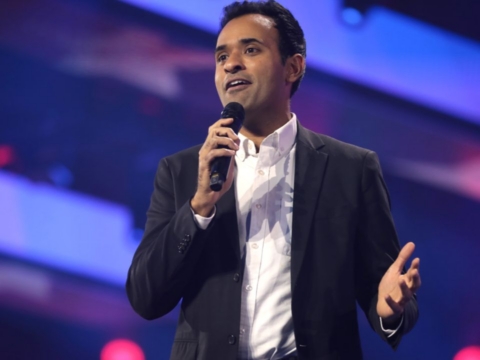
Trump connected the announcement to election-year politics. During his interview, he cited Abdul El-Sayed, the Democratic Senate nominee in Michigan, who has criticized U.S. military aid to Israel. Trump argued that Israel no longer needs the funding and said critics use the aid as a political attack on Republicans. He said Israel could buy U.S. weapons directly.
The announcement came as public opinion shifted. A June Quinnipiac University poll found that 48% of U.S. voters thought the country was too supportive of Israel, including 66% of Democrats and 55% of independents. The poll marked the highest share since Quinnipiac began asking the question in 2017.
Israel’s Oct. 27 election left Netanyahu’s bloc without a parliamentary majority and opened coalition negotiations. The funding announcement adds uncertainty to a long-standing military relationship, but its practical effect remains unclear until the administration explains what aid it would end, how it would handle congressional funding and whether the two governments reached a formal agreement.