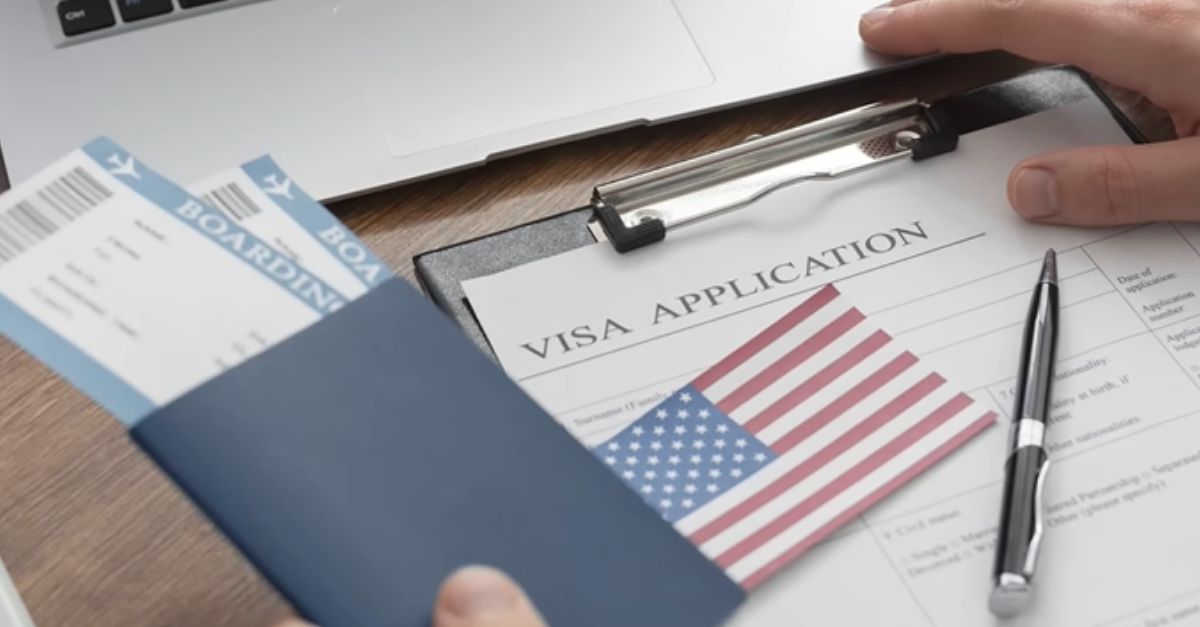
WASHINGTON (Diya TV) — The United States issued nearly one-fifth fewer student visas in August as the Trump administration tightened immigration rules, new data show. India, once the top source of U.S. international students, experienced the largest drop, while China became the leading country of origin.
According to the International Trade Administration, the U.S. issued 313,138 student visas in August, the most common month for new university enrollments. This represents a 19.1 percent decrease compared with the same month in 2024.
Student visas for Indian nationals fell dramatically by 44.5 percent over the past year. India had previously been the largest source of foreign students in the U.S., making the decline a significant shift in global student mobility.
Visa issuance for Chinese students also dropped, but at a much slower rate. In August, 86,647 visas went to students from mainland China—more than double the number issued to Indian students.
Experts note that these figures reflect new visa issuances only. Many international students remain in the U.S. on previously issued visas.
Since returning to the White House, President Donald Trump has prioritized curbing immigration and weakening universities. His administration views higher education institutions as key centers of political influence for the left.
Secretary of State Marco Rubio temporarily suspended student visa processing in June, one of the busiest months for visa applications. He also ordered U.S. embassies to scrutinize applicants’ social media activity more closely.
Rubio has revoked thousands of student visas, often citing criticism of Israel or positions contrary to U.S. foreign policy. These measures have particularly affected students from India and other countries.
The Trump administration has made it more difficult for Indian students to apply for visas outside their local U.S. consulate jurisdictions, even when backlogs exist. The administration also imposed higher fees on H-1B visas, primarily used by Indian technology workers. These steps mark a departure from decades of U.S. policy that courted India as a key ally and a counterbalance to China in Asia.
In contrast, Trump has expressed interest in increasing the number of Chinese students in the U.S. to strengthen diplomatic relations. This stance contrasts with Rubio’s earlier pledge to “aggressively” revoke visas for Chinese students accused of exploiting U.S. technical knowledge.
The latest data also show declines in student visas from Muslim-majority countries. For instance, Iranian students saw an 86 percent drop in visa approvals. Analysts warn that these trends could reshape the demographics of U.S. higher education. Universities that rely heavily on international students may face financial pressures. The loss of Indian students, in particular, could have significant economic and cultural effects on campuses.
The August drop in student visas signals a major shift in U.S. immigration and education policy. India’s decline and China’s rise as the leading source of international students reflect broader geopolitical and domestic policy priorities under the Trump administration.