NEW DELHI (Diya TV) — Amid rising India-U.S. tensions, Trump’s top South Asia adviser, Ricky Gill, will visit New Delhi next week to attend a key meeting on the India-Middle East-Europe Economic Corridor (IMEC). Gill, who serves as Senior Director for South and Central Asian Affairs at the U.S. National Security Council, is expected to meet Indian and European officials during the visit. His trip comes at a tense time for India-U.S. relations, with President Donald Trump recently announcing new tariffs on Indian goods.
India and the United States are facing fresh diplomatic friction. Trump’s decision to impose a 25% tariff—and an additional penalty—on Indian exports has triggered concern in New Delhi. The move follows India’s continued energy purchases from Russia, despite the ongoing war in Ukraine.
The White House views these transactions as undercutting Western sanctions against Moscow. Trump has criticized India’s trade practices for years, calling its tariffs “obnoxious” and its economy “dead.” Economists warn that if the new tariffs remain in place beyond a quarter, they could slow India’s GDP growth.
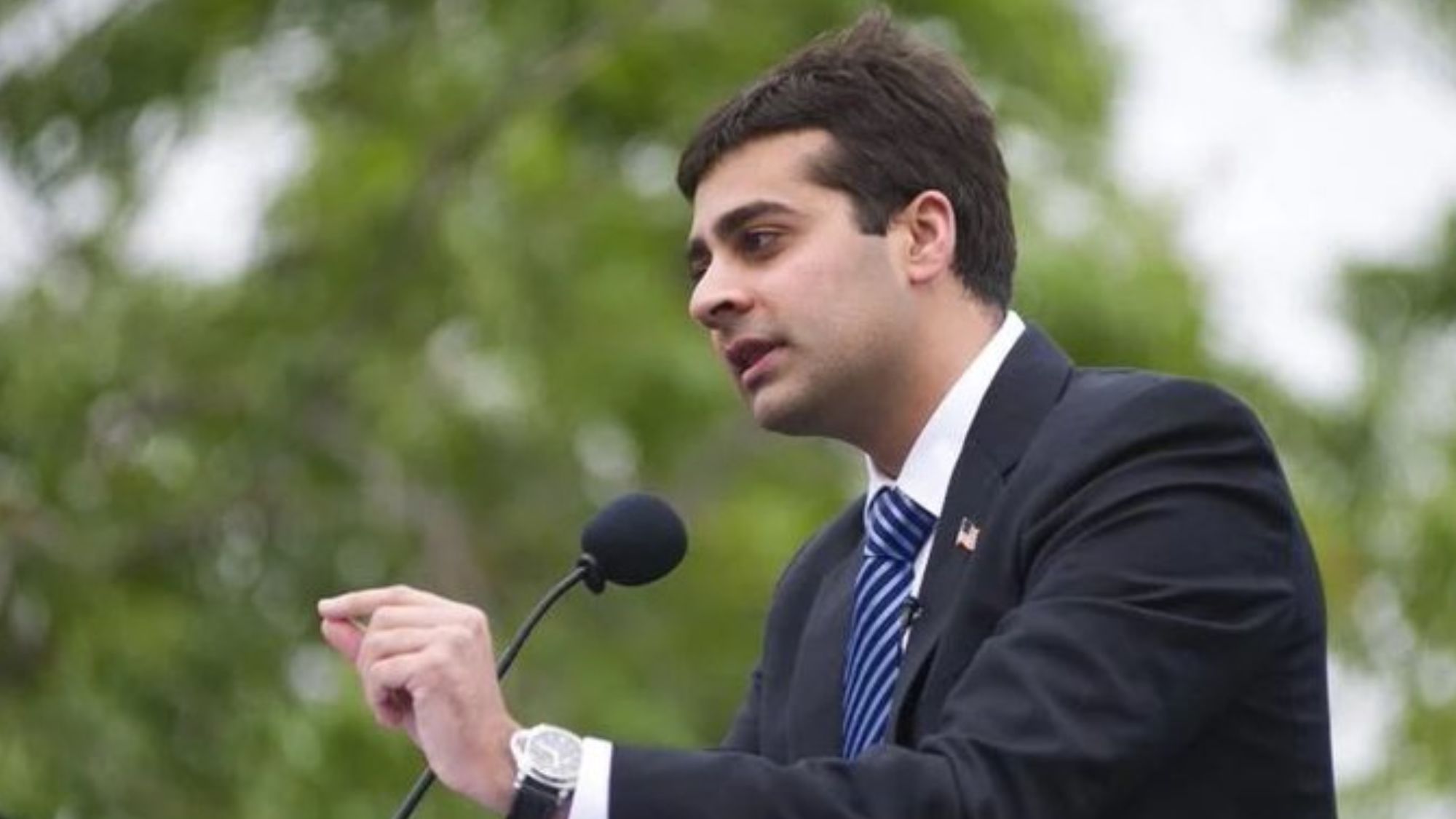
Ricky Gill, a longtime Trump adviser, is stepping into this turbulent landscape. He will represent the National Security Council at the IMEC summit in New Delhi, scheduled for August 5-6. Gill’s presence underscores Washington’s interest in the corridor project, even as political ties between the nations grow strained.
Gill is no stranger to high-level diplomacy. He has previously overseen Russia and European energy issues at the NSC. He also served in the U.S. State Department. His current role places him at the center of South Asia policy for the Trump administration.
The India-Middle East-Europe Economic Corridor (IMEC) is a global trade initiative launched in September 2023. It aims to connect India with Europe and West Asia through a new network of roads, ports, and energy routes. The project was unveiled on the sidelines of the G20 Summit in New Delhi. Key signatories of the IMEC include the United States, India, the European Union, Saudi Arabia, the United Arab Emirates, France, Germany, and Italy.
The corridor is seen as a strategic counter to China’s Belt and Road Initiative. For India, IMEC is a chance to boost its global trade profile and deepen economic ties with the West. Adding to the tension, Trump recently signed a trade deal with Pakistan, India’s longtime rival. He pledged to help Pakistan develop its oil reserves, calling them “massive.” The move has raised eyebrows in New Delhi and stirred further uncertainty about the future of U.S.-India relations.
Many in India’s diplomatic circles are questioning Trump’s strategy. Despite labeling Indian Prime Minister Narendra Modi a “friend,” Trump’s policies seem to challenge that friendship. His recent criticism of India’s economy and push for stronger ties with Pakistan only complicate matters.
While Gill’s trip signals ongoing engagement, the broader message from Washington remains mixed. On one hand, the U.S. is showing up at the IMEC summit, a key global economic forum. On the other hand, it’s placing tariffs on Indian goods and warming up to Pakistan. The National Security Council, which Gill represents, is a powerful arm of the White House. It coordinates U.S. military, economic, and diplomatic policy. Gill’s participation in the summit reflects a push to keep communication channels open despite the trade rift.
The coming days will be crucial for India-U.S. relations. The IMEC summit offers both sides a chance to reset the tone and focus on shared goals. Infrastructure, energy security, and trade partnerships remain key interests for both nations. Yet, the success of Gill’s visit will depend on whether both governments are willing to put diplomacy ahead of disagreement. As Trump continues his aggressive trade policy, India is left weighing its next move carefully.