OTTAWA, Canada (Diya TV) — Canada’s government has raised fresh concerns about U.S. interference after reports said officials from the Trump administration held quiet meetings with Alberta separatists, reigniting debate over sovereignty, energy politics, and national unity.
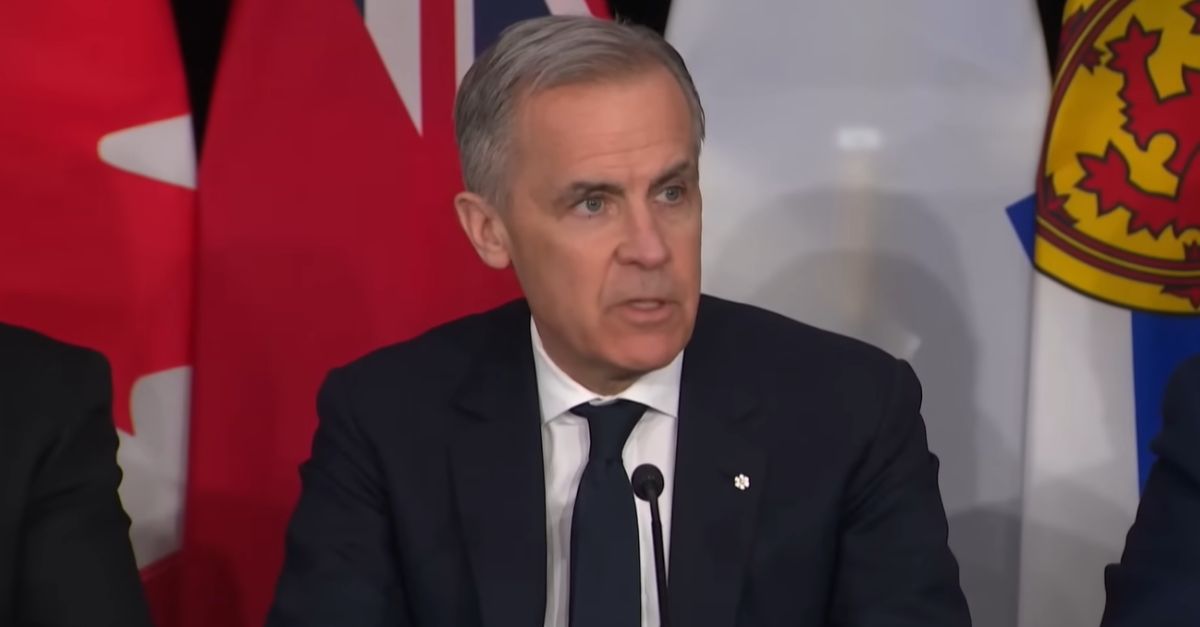
Prime Minister Mark Carney said Thursday that he expects Washington to respect Canada’s sovereignty. His remarks followed a report by the Financial Times that U.S. State Department officials met several times with leaders of the Alberta Prosperity Project, a group that wants a referendum on Alberta leaving Canada.
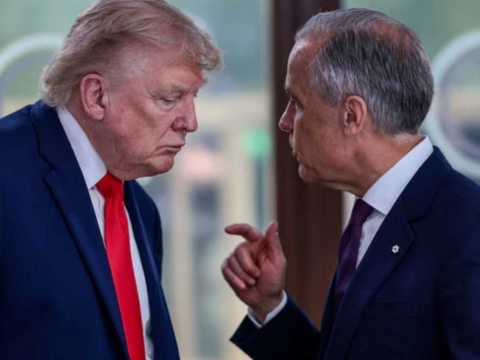
“I expect the U.S. administration to respect Canadian sovereignty,” Carney said in Ottawa. He added that after raising the issue with U.S. President Donald Trump, he wants both countries to focus on areas of cooperation.
Carney, who grew up in Edmonton, acknowledged that Alberta has long-standing grievances with the federal government. Still, he stressed that Canada’s unity remains non-negotiable.
According to the Financial Times, leaders of the Alberta Prosperity Project met U.S. officials in Washington at least three times since April. Trump began his second term in January.
The meetings alarmed officials in Ottawa, who fear foreign involvement in Canadian domestic politics. U.S. officials told the newspaper that the meetings reflected routine outreach to civil society groups and included no promises or commitments. The Alberta Prosperity Project confirmed it has sought U.S. attention. One of its leaders, Jeffrey Rath, said the group hopes to meet American officials again and may ask about a potential $500 billion credit line if Alberta ever votes for independence.
Trump has repeatedly suggested Canada should become the “51st state,” comments that have angered Canadian leaders. The issue has added strain to U.S.-Canada relations, already tense because of trade disputes. U.S. Treasury Secretary Scott Bessent fueled controversy last week when he described Alberta as “a natural partner for the U.S.” He praised its energy resources and criticized Canada’s limits on pipeline development.
“People want sovereignty,” Bessent said in an interview with the right-wing outlet Real America’s Voice. He added that some people were discussing a possible Alberta referendum.
British Columbia Premier David Eby called the reported meetings “treason.” He said seeking foreign help to break up Canada crosses a serious line. Ontario Premier Doug Ford urged unity, warning that separatist talk in Alberta and Quebec risks weakening the country. “It’s Team Canada,” Ford said.
Alberta Premier Danielle Smith took a softer tone. She said she would not demonize Albertans who support separation, citing what she called legitimate frustrations with Ottawa. Smith has voiced support for Trump in the past and visited him at Mar-a-Lago in early 2025.
Anger toward the federal government has simmered in Alberta for decades. Much of it centers on energy policy. Alberta produces more than 80% of Canada’s oil and about 60% of its natural gas. Many residents say federal environmental rules, carbon pricing, and pipeline delays block economic growth.
As a landlocked province, Alberta relies on pipelines through other provinces to reach global markets. That dependence has sharpened disputes with Ottawa. Alberta also contributes about 15% of Canada’s gross domestic product while holding roughly 12% of the population. The province receives no federal equalization payments, unlike Quebec and Manitoba. Many Albertans say the system treats them unfairly.
Recent Ipsos polling suggests about 30% of Albertans support starting the process to leave Canada. Yet about one-fifth of those supporters see such a vote as symbolic rather than a firm push for independence. A referendum could occur later this year if organizers collect nearly 178,000 signatures. Even if voters approve it, Alberta would not become independent right away. Under Canada’s Clarity Act, the federal government would review the question and the result. Only then would negotiations begin on borders, debt, and Indigenous rights.
Analysts note parallels with Trump’s interest in Greenland, another resource-rich region. Denmark summoned a top U.S. diplomat last year after reports said Trump allies explored pro-U.S. sentiment there. For now, Ottawa remains firm. Carney has warned that U.S. actions risk deepening a global rupture.