
NEW DELHI (Diya TV) — India and the United States are moving toward a major trade partnership that could reshape economic ties between the two countries. India plans to buy $500 billion worth of U.S. goods over five years, combining existing projects with new investments in sectors such as energy and data centers.
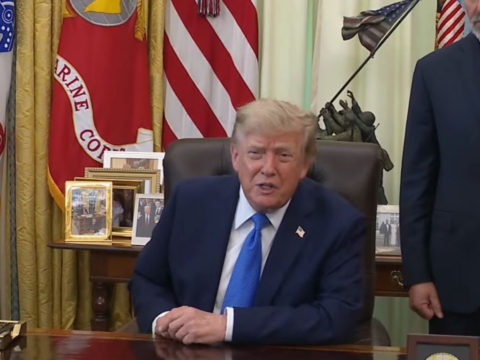
An Indian government official confirmed the scope of the agreement while briefing reporters in New Delhi. The deal, announced earlier this week by President Donald Trump, signals a push to deepen trade, boost investment and ease tariff barriers.
The plan was also confirmed by White House Press Secretary, Karoline Leavitt, who said during a briefing that India had committed to the $500 billion U.S. purchases and investment as part of the trade understanding, and claimed that India would stop purchasing Russian oil and instead buy energy from the United States..
The official said both governments aim to release a joint statement within two to three days outlining the structure of the agreement, timelines and commitments. The $500 billion figure reflects combined purchases across defense, energy, technology and industrial goods.
A key element involves tariffs. The official said the United States will cut tariffs on some Indian goods to zero, improving market access for Indian exporters and lowering costs for U.S. consumers.
Reduced tariffs may benefit textiles, engineering goods and manufactured products. Lower duties also support efforts by both countries to strengthen supply chains and reduce reliance on rival economies.
India plans to increase purchases of U.S. energy products over five years, including oil, gas and renewable technologies. The official said India follows a policy of energy diversification, encouraging companies to source from multiple suppliers to ensure stability and price security.
When asked about halting Russian oil imports, the official said the government does not direct private companies on where to buy oil, even when dealing with sanctioned crude, citing India’s long-standing policy of strategic autonomy.
New investment areas include data centers, driven by rising demand for cloud services, artificial intelligence and secure data storage. U.S. companies are expected to play a role in financing and building this infrastructure. Analysts say such projects could support job creation, strengthen technology ties and improve cybersecurity cooperation.