SAN FRANCISCO (Diya TV) — Lotus Health AI is betting that artificial intelligence can help fix a broken primary care system. The startup has raised $35 million to build a free AI-powered doctor that sees patients around the clock, in dozens of languages, across the United States. The Series A funding round was co-led by CRV and Kleiner Perkins. It brings the company’s total funding to $41 million. Lotus launched in May 2024 and already positions itself as a full-service primary care provider, not just a health chatbot.
Lotus Health AI offers virtual primary care at no cost. Patients can chat with the platform 24/7 in 50 languages. The service includes diagnoses, prescriptions, lab orders, and referrals to specialists.
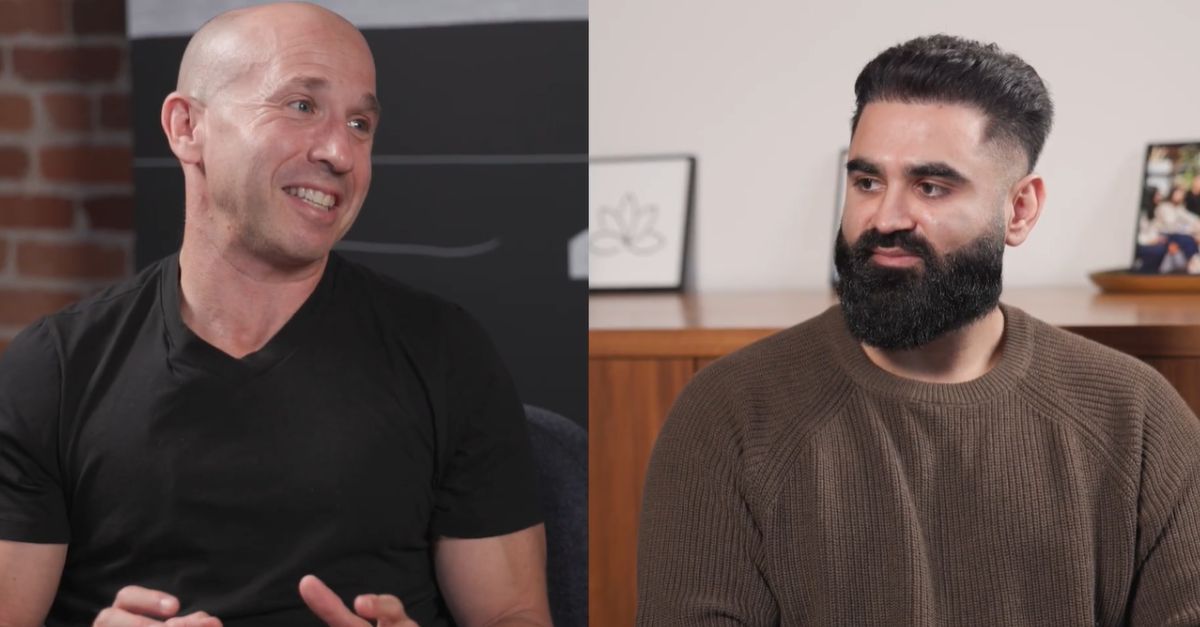
Founder and CEO KJ Dhaliwal says the idea grew from personal experience. As a child, he often translated medical visits for his parents. That role exposed him to long waits, confusing systems, and limited access to care. Years later, after selling the dating app Dil Mil for $50 million, Dhaliwal turned his focus to health care. He saw large language models as a chance to reduce friction in primary care. Many people already ask AI tools like ChatGPT about symptoms. Lotus aims to take the next step by turning those conversations into real medical care.
Lotus operates like a digital medical practice. It holds licenses to operate in all 50 states. It carries malpractice insurance and uses HIPAA-compliant systems. The platform also has access to full patient records.
The AI leads most patient visits. It asks detailed questions, much like a human doctor would. It then reviews the patient’s history and symptoms. The system combines that information with the latest evidence-based medical research to suggest a treatment plan. Human doctors stay involved at critical steps. Board-certified physicians review final diagnoses, prescriptions, and lab orders. These doctors come from institutions such as Stanford, Harvard, and the University of California, San Francisco.
“AI is giving the advice, but real doctors are signing off on it,” Dhaliwal said.
AI tools can make mistakes. They can also produce false or misleading answers. Lotus says it designed its system to reduce those risks. The company does not rely on AI alone for final medical decisions. Human doctors review and approve key actions. Lotus also sets clear boundaries for virtual care.
For urgent or emergency issues, the platform directs patients to nearby emergency rooms or urgent care centers. If a patient needs a physical exam, Lotus refers them to an in-person doctor. Dhaliwal says virtual care cannot replace every visit. He believes it can still handle a large share of routine primary care safely and efficiently.
CRV general partner Saar Gur led the funding round and joined the board. Gur has backed companies like DoorDash, Mercury, and Ring. He believes the timing is right for an AI-driven health care model. Telemedicine rules expanded during the COVID-19 pandemic. Those changes made remote care more common and more accepted. Gur says new AI advances now make it possible to scale primary care in ways that were not realistic before.
“There are many challenges,” Gur said. “But this is not SpaceX sending astronauts to the moon.”
Lotus Health AI is not alone. Other startups, including Lightspeed-backed Doctronic, also aim to build AI doctors. Competition in digital health continues to grow as primary care shortages worsen.
Lotus claims it can see 10 times more patients than a traditional practice. It limits visits to 15 minutes but runs continuously, day and night. The company says this model helps reduce burnout while expanding access. For now, Lotus offers all services for free. Dhaliwal says future revenue may come from subscriptions or sponsored content. The company does not plan to charge patients during its current growth phase.
Primary care doctors remain in short supply across the country. Long wait times and high costs keep many people from seeking help. Lotus Health AI wants to change that reality with automation and scale.
The startup’s goal is ambitious. It wants to rebuild primary care around AI, with doctors guiding and approving rather than leading every step. If the model works, it could reshape how millions of people access health care. For now, Lotus focuses on one thing. It wants to attract patients and prove that a free AI doctor can deliver safe, reliable care at scale.