MUMBAI (Diya TV) — Wall Street’s growing dependence on India is reaching new heights as tighter U.S. immigration rules and higher visa costs drive American banks to expand their Global Capability Centers (GCCs) across the country. From Bengaluru to Mumbai, major firms are hiring thousands of skilled workers, turning India into a critical hub for finance and technology operations, reports the Wall Street Journal.
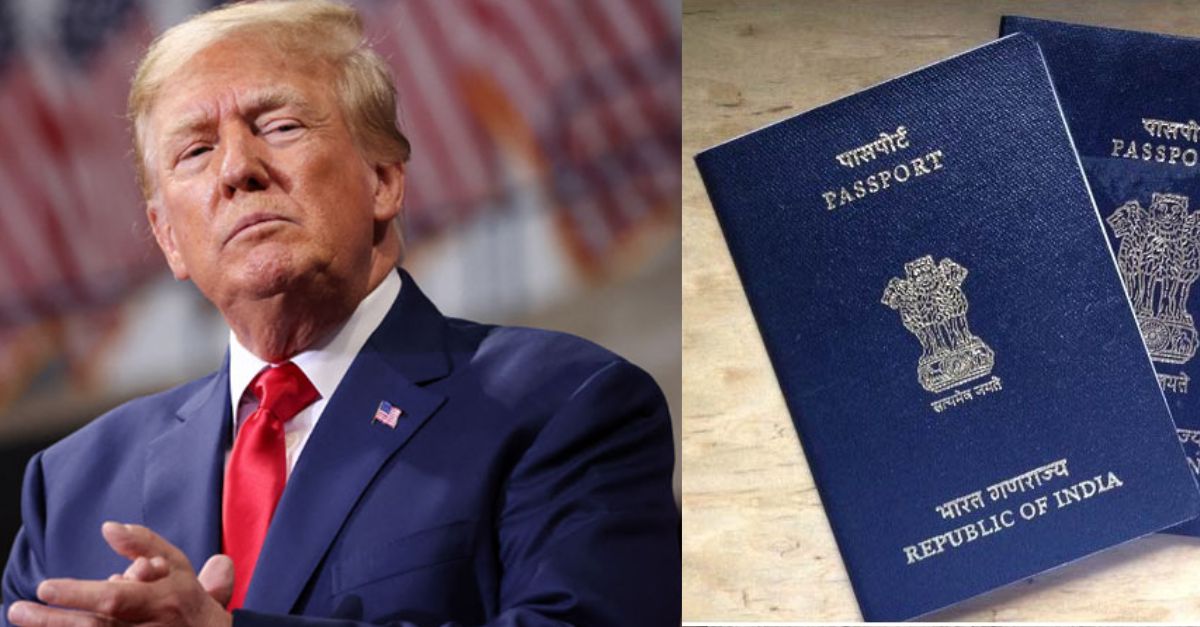
President Donald Trump’s latest move to raise the cost of H-1B visa applications to $100,000 has pushed companies to rethink their hiring strategies. Banks that once brought talent to the United States are now moving jobs offshore instead. The new policy, meant to protect American jobs, is having the opposite effect — accelerating the offshoring of high-skilled roles to India.
JPMorgan Chase & Co., Goldman Sachs Group Inc., and KKR & Co. are among the financial giants ramping up recruitment in India. JPMorgan is adding credit specialists in Bengaluru, Goldman is hiring associates to review loans and manage derivatives, and KKR is expanding its portfolio management team in Mumbai. Hedge fund Millennium Management LLC is also recruiting risk analysts for its trading division.
“With the new fee, companies are questioning whether some U.S. jobs are even worth keeping,” said Ben Hodzic, head of North America at recruitment firm Selby Jennings.
India’s appeal lies in its vast pool of engineers, data scientists, and finance experts. The country is already home to one of the world’s largest tech talent bases, alongside China and Japan, according to Colliers’ Global Tech Markets: Top Talent Locations 2025 report.
For American banks, the economics are hard to ignore. An entry-level engineering graduate in India earns between ₹300,000 ($3,384) and ₹800,000 a year, compared with $60,000 for an Indian worker on a U.S. visa and up to $120,000 for a U.S. citizen in the same role.
“India is no longer just a low-cost destination,” said Vivek Ramji Iyer, a partner at Grant Thornton Bharat LLP. “It’s a global talent hub with deep expertise.”
What began as back-office support in the 1990s has evolved into high-value operations. Today, Indian GCCs design trading systems, manage risk models, and even lead artificial intelligence research for Wall Street. Goldman Sachs’ Bengaluru workforce, for example, has grown from 300 in 2004 to more than 8,000 today. JPMorgan’s Indian team now makes up nearly 20% of its global headcount.
According to estimates from the National Association of Software and Service Companies (NASSCOM) and consulting firm Zinnov, employment in India’s GCCs is projected to jump 50% to 2.8 million by 2030.
“Over decades, India has emerged as a key geographic center for banks’ GCC expansions,” said Pramod Kumar, CEO of Barclays Plc’s Indian unit. “The trend is likely to gather momentum.”
Trump’s immigration and visa policies are facing growing criticism at home. White House spokeswoman Taylor Rogers said the banks’ decision to move operations abroad “proves they were using foreign workers to undercut Americans’ wages.”
But many experts argue that the policy is backfiring. By making it harder and more expensive to hire foreign professionals in the U.S., Washington is forcing companies to invest more heavily overseas.
Even Trump appeared to acknowledge this reality. In a recent interview that went viral, he admitted that the U.S. “doesn’t have certain talents” and still needs skilled workers from abroad. The remark sparked online debate and highlighted the contradiction between his “America First” agenda and the global realities of the modern economy.
Amid the controversy, both the U.S. and India are reportedly close to finalizing a major trade deal. Trump hinted this week that tariffs on Indian exports could be reduced “very substantially.” Indian Commerce Minister Piyush Goyal said the agreement aims to create a fair balance that benefits both economies.
For Wall Street, a smoother trade relationship could further boost India’s role in global finance. As banks shift more operations eastward, Indian cities such as Bengaluru, Hyderabad, Gurugram, and Mumbai are becoming strategic centers for the world’s top financial firms.
The rise of India’s GCCs marks a turning point for Wall Street. What once began as cost-saving outsourcing has become a core part of global financial infrastructure.
“India now runs a significant part of the world’s financial systems,” said Iyer. “The question is no longer whether these jobs will move to India — it’s how fast.”
As U.S. companies adapt to Trump’s visa restrictions, the answer may already be clear: the future of Wall Street is increasingly being built in India.