WASHINGTON (Diya TV) — President Donald Trump has threatened to impose a 100% tariff on countries that keep importing oil, gas, and uranium from Russia. This warning comes as Trump expressed his frustration with Moscow’s lack of progress in ending the war in Ukraine.
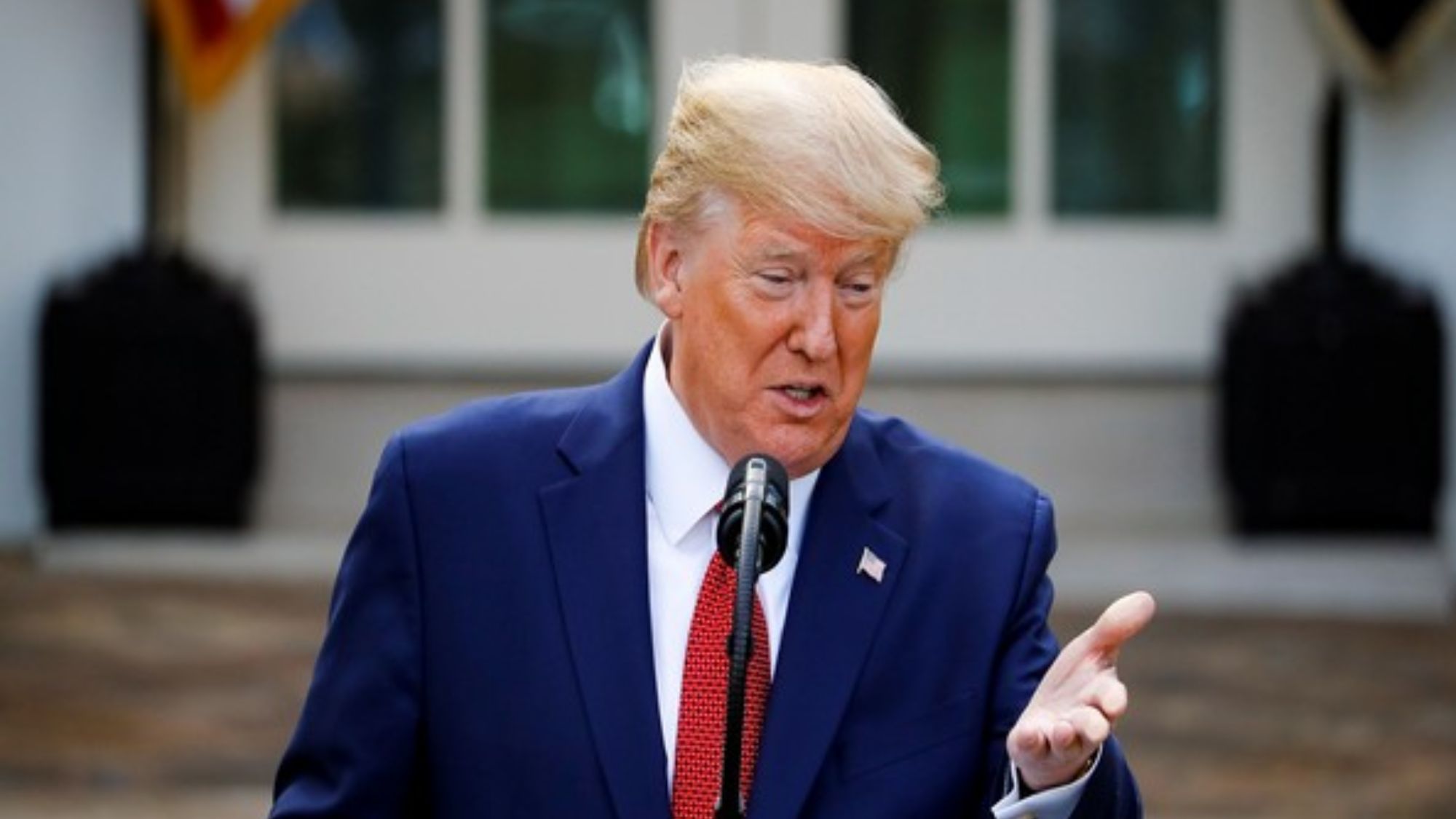
Speaking from the White House on July 14, Trump said these high tariffs would take effect in 50 days unless Russia agrees to a peace deal. Standing next to NATO Secretary-General Mark Rutte, Trump called the planned measures “very severe” and stated the tariffs would apply to countries doing business with Moscow.
Trump said, “We’re very, very unhappy with them, and we’re going to be doing very severe tariffs. If we don’t have a deal in 50 days, tariffs at about 100%, you’d call them secondary tariffs.”
These secondary tariffs would not target Russia directly. Instead, they would impact other countries trading with Moscow in the energy, agriculture, and defense sectors. The goal is to pressure Russia by compelling its top trade partners to distance themselves.
China and India are especially vulnerable. The two countries became the world’s largest importers of Russian oil in 2023 after Europe cut ties with Moscow. Russia now sells most of its oil at discounted prices to these nations, which helps fund its ongoing war.
India is also close to finalizing a trade deal with the United States. If the tariffs take effect, India could be significantly impacted. This would not only affect New Delhi’s energy needs but also strain its growing relationship with Washington.
Trump also supported a separate bill proposing a massive 500% tariff on countries that buy Russian energy. Introduced by Republican Senator Lindsey Graham, the bill already has 85 co-sponsors, including several Democrats. Trump said, “It’s certainly good that they’re doing it,” but he added he may not need the bill since he already has tariff authority.
The president stated the bill is “probably going to pass very easily,” but mentioned that lawmakers might make some changes first. Still, he suggested that Congress should not “waste their time” because he can act on his own.
India has long justified its purchases of Russian oil. In December, Indian External Affairs Minister S. Jaishankar stated that Russian oil isn’t always cheap. He claimed India helped the world by buying it, saying global oil prices could have soared to $200 per barrel if it had not.
Meanwhile, Trump criticized Russian President Vladimir Putin for continuing the war. “My conversations with him are very pleasant, and then the missiles go off at night,” Trump said. He added that he has tried to broker peace between Russia and Ukraine several times, but no deal has lasted.
Trump also announced plans to send Patriot missile systems and other arms to Ukraine. This marks a shift from earlier positions where he seemed reluctant to provide further aid.
Several countries could be impacted by the possible tariffs. China and India import nearly 90% of Russia’s seaborne crude oil. Turkey, a NATO member, also buys large quantities of Russian oil and gas. In the Middle East, the United Arab Emirates acts as a trade hub for Russian oil and a haven for Russian money. Brazil, a leading buyer of Russian fertilizers, and Southeast Asian nations like Vietnam and Thailand may also feel the effects.
So far, Russian officials have dismissed Trump’s threat. They called the plan “unacceptable” and seemed unfazed by the announcement. Markets also remained calm. Russia’s stock market rose 2.7%, and the ruble strengthened after Trump’s remarks, indicating that investors believe a deal may still happen in time.
Trump has made similar threats before but has sometimes backed down. Still, the new 50-day deadline puts pressure on Russia’s allies and trade partners. With the clock ticking, global energy markets and diplomatic ties may face another round of turmoil.