WASHINGTON (Diya TV) — The White House is preparing to use tariff revenue to support U.S. farmers facing tough economic times, though the exact amount of aid remains uncertain. Agriculture Secretary Brooke Rollins said the government is exploring a “farmer aid package” to help growers of soybeans, corn, wheat, sorghum, and cotton.
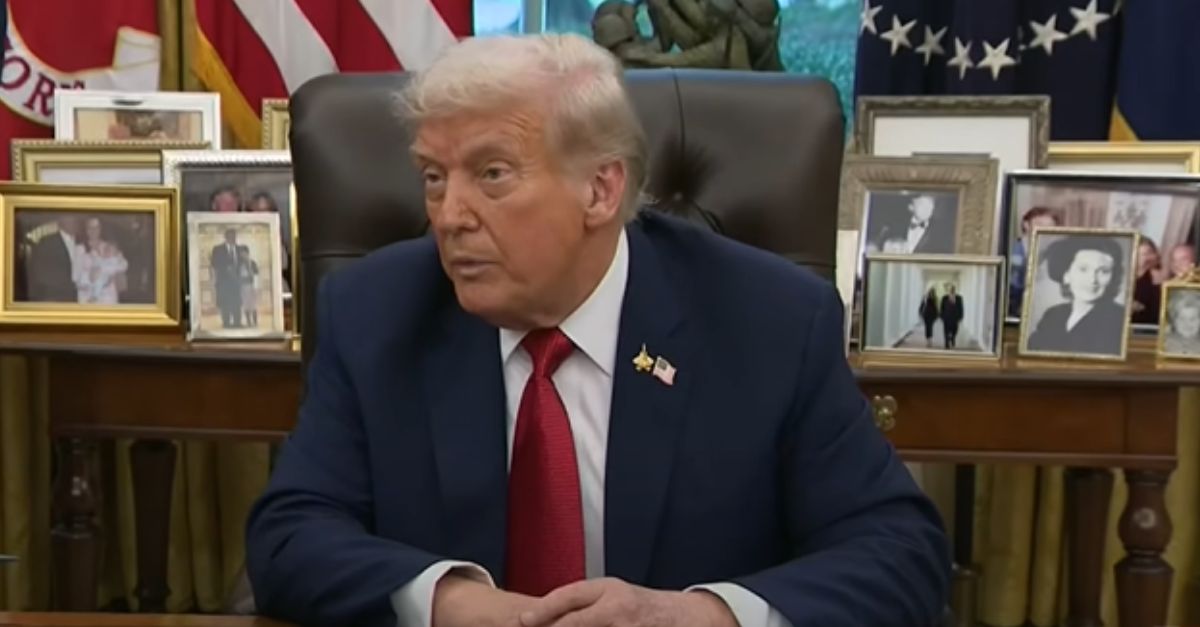
President Donald Trump discussed the plan Thursday while meeting with Turkish President Recep Tayyip Erdogan at the White House. Trump said his staff discovered what he described as extra funds for farmers. He initially mixed up millions and billions when explaining the figures.
“The other day, it was very interesting, they found $31 billion,” Trump said. “They said, ‘Sir, we’ve found 31.’ I said, ‘You mean positively, right?’ They said, ‘Yeah, $31 million more than we knew.’ And they said, ‘We don’t know where it came from.’”
Trump said he instructed staff to check the “tariff shelf,” confirming that the funds came from tariffs imposed on foreign goods. “We’re going to be taking some money from all of the tariff money we’ve taken, and we’re going to distribute it to our farmers, until the tariffs kick in to their benefit,” he added. Trump promised that farmers would eventually profit from the plan.
Brooke Rollins told reporters Wednesday that there is “potential” to use tariff revenue to support farmers. She acknowledged that growers of soybeans, corn, wheat, sorghum, and cotton are experiencing “difficult times.” Rollins said the White House may announce a plan within the next few weeks.
The aid package, however, could be delayed or canceled if the Supreme Court rules that Trump’s tariffs are illegal.
Critics note that farmers might not have faced such hardships if the administration had not imposed aggressive tariffs in the first place. Trade tensions with China have disrupted U.S. exports, closing off a major market for American agricultural products.
Industry insiders say the government may have no choice but to offer a bailout. “The pitch being made to the administration is, ‘Look, if you don’t have some kind of ace up your sleeve here, like an imminent deal with China and/or a string of other trade deals that also lighten the load on soybeans, then there’s going to have to be a bailout,’” an anonymous agriculture industry representative told Politico.
This bailout could weigh heavily on taxpayers. While the administration frames it as a way to support farmers, opponents argue it rewards a situation caused by the tariffs themselves.
Farmers across the country are struggling with lower crop prices and reduced demand. Soybean growers, in particular, have seen sales to China nearly halt. Corn, wheat, sorghum, and cotton producers are facing similar challenges.
Experts say that using tariff funds for direct aid could provide temporary relief. But long-term solutions may require trade agreements and market access for U.S. crops.
Rollins and other officials are expected to finalize details soon. If approved, the aid program will distribute tariff revenue to farmers until trade tensions ease and tariffs begin to benefit domestic agriculture.