CARLISLE, Pa. (Diya TV) — President Donald Trump said his administration plans to make military veterans with heavy-truck driving experience automatically eligible for commercial driver’s licenses as part of an effort to remove undocumented drivers from the trucking industry.
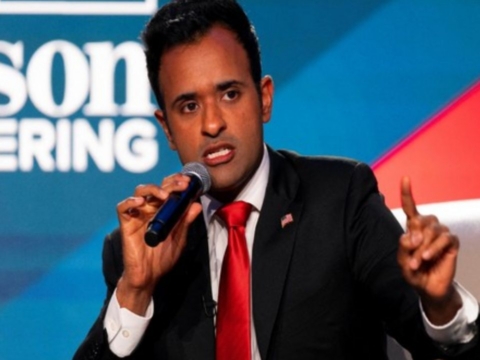
Trump announced the proposal Wednesday during the Pennsylvania Defense and Innovation Summit at the U.S. Army War College in Carlisle. He said veterans who operated heavy vehicles in the military should have a faster path to civilian trucking jobs.
“We’re going to replace them with proud American veterans,” Trump said while discussing drivers who entered or remained in the country without authorization. He also said any American who drove a heavy truck for the military would become “automatically eligible” for a commercial driver’s license.
The administration had not released an executive order, proposed regulation or implementation timeline for the plan as of Thursday. It therefore remains unclear whether veterans would receive a CDL without testing or would qualify for an expanded waiver of certain requirements.
Federal law already provides a faster licensing process for qualified service members and veterans. The Federal Motor Carrier Safety Administration allows applicants with at least two years of safe experience operating comparable military vehicles to obtain a CDL without taking the road-skills test.
Applicants must generally have held a military driving position within the previous 12 months. They must still apply through a state licensing agency and satisfy other federal and state requirements. The existing waiver does not eliminate the written knowledge tests. More than 40,000 service members and veterans have used the program, according to FMCSA.
Trump’s announcement may expand that program, but the administration has not explained what “automatically eligible” would mean in practice. States issue CDLs and remain responsible for verifying that applicants meet federal licensing standards.
The proposal follows a broader federal campaign targeting improperly issued and non-domiciled commercial licenses. A non-domiciled CDL generally applies to a person whose permanent residence is outside the state or the United States but who meets specific federal requirements to drive commercially.
A rule that took effect March 16 limits new and renewed non-domiciled CDLs to foreign-domiciled applicants with H-2A, H-2B or E-2 immigration status. States must verify applicants through federal immigration records, and the licenses generally cannot remain valid for more than one year.
The regulation does not remove CDLs from people solely because they were born outside the United States. U.S. citizens and lawful permanent residents who live in a state can qualify for standard commercial licenses if they meet the same licensing and safety requirements as other applicants.
Trump described the planned action as a way to remove what he called “illegal alien truck drivers.” He connected the policy to roadway safety and said some drivers could not read signs or should not operate commercial vehicles because of drug or alcohol use.
Federal regulations already require commercial drivers to demonstrate sufficient English proficiency to understand road signs, communicate with law enforcement and complete required records. Commercial drivers also remain subject to medical standards and federal drug and alcohol testing rules regardless of their nationality or immigration background.
The Transportation Department has cited fatal crashes involving non-domiciled drivers while defending its licensing restrictions. However, the categories “non-domiciled,” “noncitizen” and “undocumented” do not mean the same thing. A non-domiciled driver may be legally present in the country, while many foreign-born drivers hold standard CDLs as citizens or lawful permanent residents.
The announcement drew attention within the Sikh American trucking community, which includes a large number of drivers and trucking company owners, particularly in California.
Industry and advocacy organizations estimate that approximately 150,000 Sikh drivers work in the United States. No federal database provides an official count of commercial drivers by religion, and some estimates place the number higher. The figure should therefore be treated as an industry estimate rather than a confirmed government statistic.
Trump’s proposed veterans initiative would not automatically affect all Sikh or Indian-origin truck drivers. Drivers who are U.S. citizens or lawful permanent residents and hold valid standard CDLs would not become ineligible because of their ethnicity, religion or country of origin.
Some Sikh drivers could be affected by the administration’s separate non-domiciled CDL restrictions if they hold an immigration status that no longer qualifies under the March rule. Others may face additional document reviews when renewing or changing their licenses.
Nearly 200,000 immigrant drivers from different national and ethnic backgrounds could eventually lose eligibility for non-domiciled CDLs under the broader regulation, according to estimates reported during its implementation. Existing licenses that were issued legally may remain valid until they expire, although states can revoke credentials that federal reviews determine were improperly issued.
Any direct effect from Trump’s latest announcement will depend on the policy language the administration releases. The government must still specify which veterans qualify, what tests or training they can bypass, how states will process their applications and whether the changes require formal federal rulemaking.