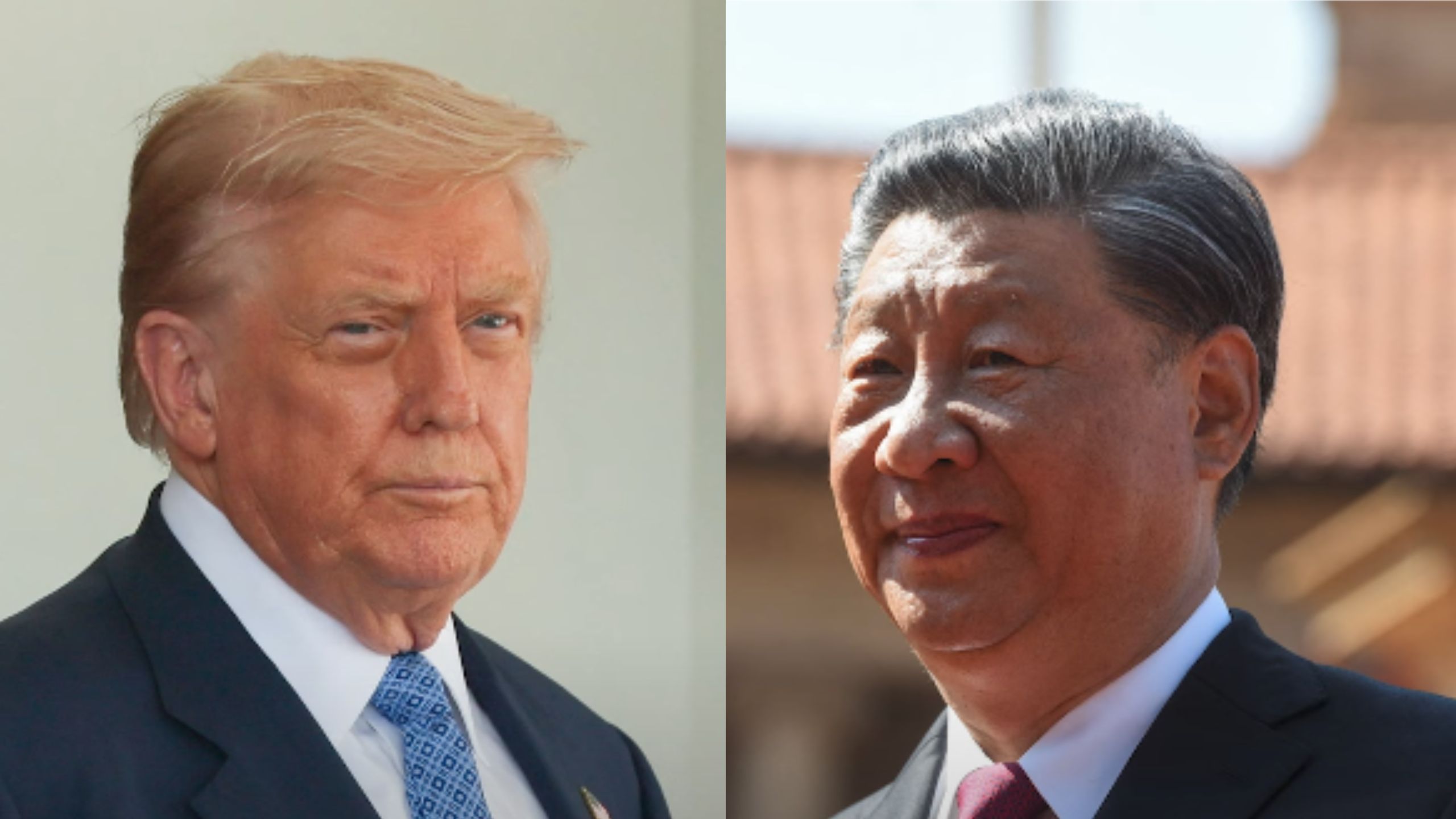
WASHINGTON (Diya TV) — President Donald Trump has extended a pause on increased tariffs for Chinese imports by another 90 days, delaying a potential escalation in the trade conflict between the world’s two largest economies.
The move, announced Monday, came just hours before the initial 90-day moratorium was set to expire. The extension pushes the tariff truce deadline to Nov. 10. The decision follows recent trade talks in Stockholm, where officials from both countries discussed ways to ease tensions and find common ground.
Trump signed an executive order to extend the tariff suspension. He said on Truth Social that all other elements of the agreement remain the same. China’s Commerce Ministry confirmed it would also suspend additional tariffs on U.S. goods for the same period.
Under the truce, U.S. tariffs on Chinese imports remain at 30%, down from the peak of 145% earlier this year. China has kept its tariffs on American products at 10%. The agreement also restored exports of rare earth magnets from China to the United States.
The original pause, agreed to in May after talks in Geneva, aimed to calm markets and provide space for further negotiations. Without the extension, tariffs would have reverted to their highest levels, reigniting fears of a full-scale trade war.
Businesses and investors have reacted positively to the extension. The earlier uncertainty had left companies unsure about pricing, supply chains, and contracts. The latest move gives industries a 90-day window to prepare for possible changes and to lobby for a more permanent resolution.
Treasury Secretary Scott Bessent hinted last month that the U.S. and China might set most tariffs at 50% in a long-term deal. For now, the truce prevents the sharp tariff increases that rattled markets in April.
Despite the extension, tensions remain. The U.S. continues to press China over issues such as fentanyl trafficking, which carries a 20% tariff component, and the purchase of oil from sanctioned countries like Russia and Iran.
Trump has also indicated he may visit China in late October for talks with President Xi Jinping. The potential meeting could take place before an international summit in South Korea, offering a chance for high-level discussions.
Technology exports remain a sticking point. Earlier this year, the Trump administration eased export restrictions on advanced artificial intelligence chips, allowing companies like Nvidia Corp. and Advanced Micro Devices to continue sales to China.
Both firms agreed to pay the U.S. government 15% of certain Chinese AI chip revenues to secure export licenses. Trump also suggested he might approve sales of a scaled-down version of Nvidia’s most advanced AI chip to China.
But relations in the tech sector are still tense. In late July, Chinese regulators summoned Nvidia over alleged security risks in its H20 chips. The move signaled ongoing distrust despite easing trade measures.
The tariff extension fits into the Trump administration’s broader trade strategy. It has pursued reciprocal tariffs and targeted industry-specific levies on multiple countries. In the case of China, the current structure combines a 10% baseline tariff with additional charges tied to fentanyl trafficking and other disputes.
The administration has argued that China’s trade practices contribute to the large U.S. trade deficit. By maintaining tariffs while negotiating, Trump seeks to pressure Beijing into making concessions.
The extended truce offers breathing room but does not guarantee a resolution. Over the next three months, negotiators will work to address unresolved issues, from tariff levels to market access.
For businesses, the delay means temporary stability. For policymakers, it is a chance to craft a lasting deal that could reset U.S.-China trade relations. However, the unpredictability of Trump’s approach means the outcome remains uncertain.
If talks succeed, both nations could agree on a framework that stabilizes tariffs and trade rules. If they fail, the tariff war could return, with rates soaring back to April’s peak levels.