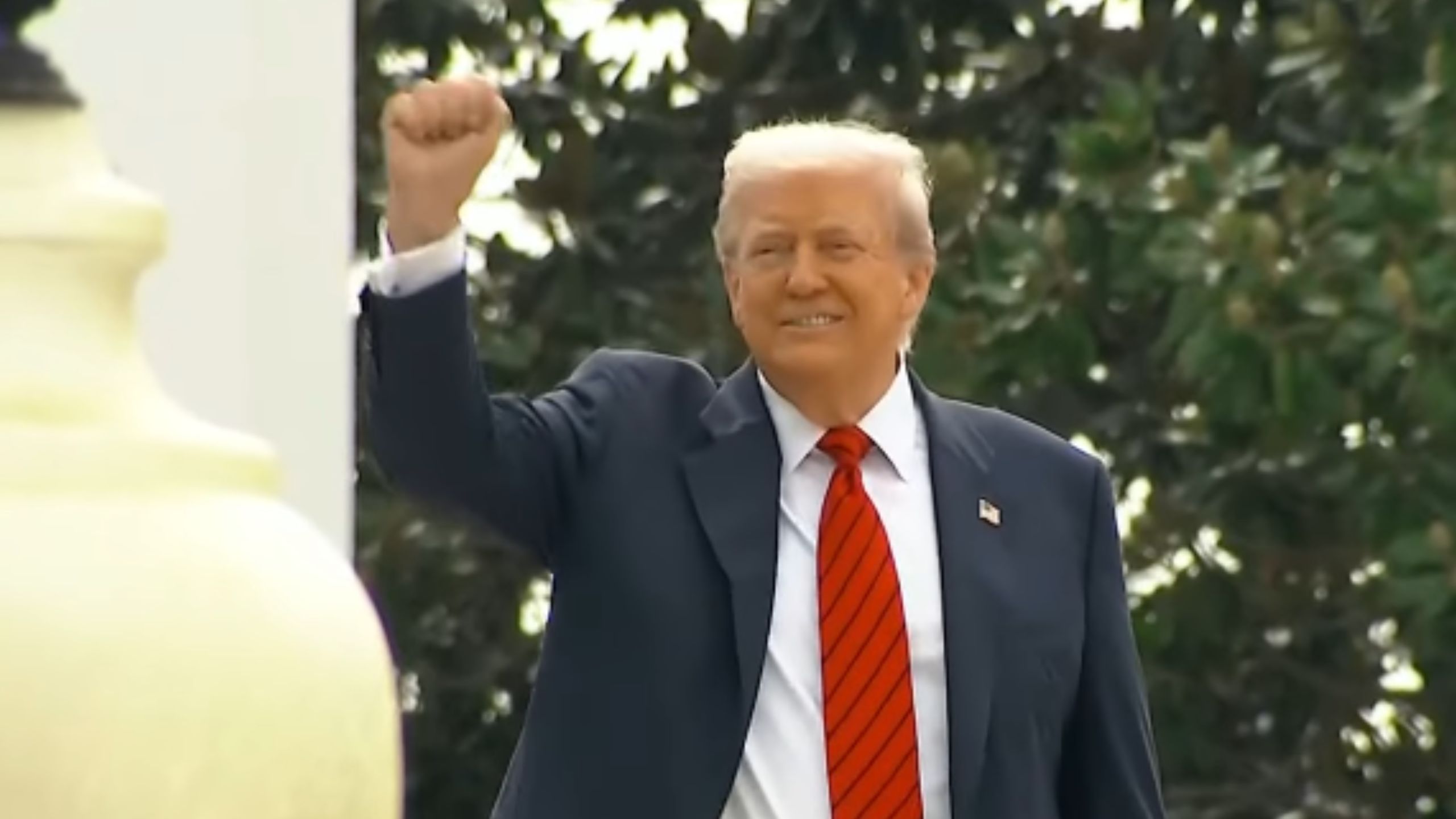
WASHINGTON (Diya TV) — President Donald Trump has sharply raised tariffs on Indian goods, escalating a growing trade dispute between the United States and India. The decision follows stalled trade talks and rising tensions over India’s continued oil imports from Russia.
Trump’s move, which raises tariffs to 50%, has sparked strong backlash from Indian officials and is expected to impact billions in trade between the two countries.
Earlier this week, Trump signed an executive order that adds another 25% tariff on Indian imports. This comes on top of an earlier 25% announced days before. He cited India’s ongoing oil trade with Russia as the main reason for the hike.
“I find that the Government of India is currently directly or indirectly importing Russian Federation oil,” Trump said in a statement. He claimed that these imports are helping fund the war in Ukraine and working against U.S. national security interests.
The White House confirmed the new tariffs will take effect in 21 days. India now joins Brazil at the top U.S. tariff rate, placing it above countries like Syria and Myanmar.
India quickly condemned the decision. The Ministry of External Affairs called the move “unfair, unjustified, and unreasonable.” Indian officials said they would take “all actions necessary” to defend the nation’s interests.
India argued that its Russian oil imports are legal and necessary. Officials said these purchases started after global supply chains were disrupted by the war in Ukraine. At the time, the U.S. had reportedly encouraged India and other nations to help stabilize the energy market.
Indian leaders also accused the U.S. of hypocrisy. They pointed out that American companies still import Russian goods like uranium hexafluoride, palladium, fertilizers, and chemicals.
During a White House press briefing, an ANI reporter asked Trump about India’s claim that the U.S. still trades with Russia. Trump responded, “I don’t know anything about it. We will have to check.” His press team has not issued any clarification since.
Federal data shows the U.S. imported $3.5 billion worth of goods from Russia in 2024. The U.S. trade deficit with Russia reached $2.5 billion last year.
Before the tariff increase, U.S. and Indian officials had completed five rounds of trade negotiations. India had agreed to lower tariffs on U.S. cars, alcohol, and industrial products. They also pledged to buy more U.S. energy and defense items.
The talks aimed to close the $47 billion trade gap and raise total trade to $500 billion by 2030. But the discussions broke down without warning. White House aides said the final proposals didn’t meet Trump’s expectations.
The Trump administration reportedly wanted India to match offers made by countries like South Korea, which capped tariffs at 15% after promising $350 billion in investments.
The 50% tariff is one of the highest imposed on any U.S. trade partner. India, which exported over $87 billion in goods to the U.S. last year, now faces serious pressure across key industries.
Tech companies may be hit hardest. Apple, which makes many iPhones in India, reported an $800 million loss last quarter. The company estimates that losses could reach $1.5 billion if the tariffs stay in place.
India supplies about 44% of all smartphones imported into the U.S. Any disruption to this supply chain could drive up prices for American consumers.
Despite the tensions, both sides may return to the negotiating table. A U.S. trade delegation is expected to visit New Delhi later this month. Indian officials are reviewing their position on U.S. farm and dairy imports. They may also consider reducing Russian oil purchases if Washington offers better energy deals.
Trade experts say the situation is still salvageable. “There’s still potential for a win-win deal,” said Mark Linscott, a former U.S. trade official. “But it likely requires direct communication between the president and the prime minister.”
For now, the world’s two largest democracies remain at odds. The tariff increase adds new stress to an already strained relationship, with both countries focused on national priorities as elections approach.