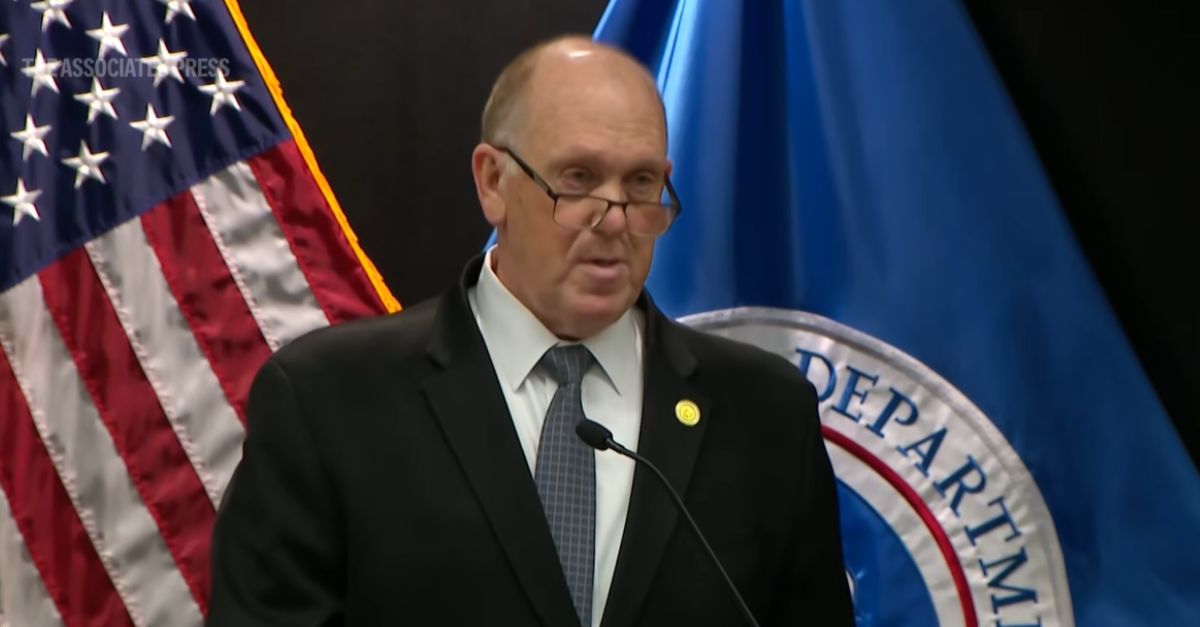
MINNEAPOLIS, Minn. (Diya TV) — Federal authorities on Thursday announced the end of a sweeping immigration crackdown in Minnesota that sparked mass arrests, protests, and the fatal shootings of two U.S. citizens. The Department of Homeland Security operation, described by officials as the “largest immigration enforcement operation ever,” targeted the Minneapolis-St. Paul area. Border czar Tom Homan said the surge led to more than 4,000 arrests over two months.
The crackdown intensified debate over President Donald Trump’s immigration policies and mass deportation efforts. It also drew sharp criticism from state and local leaders who said it harmed communities and damaged the state’s economy.
Homan confirmed that federal immigration officers have begun to scale back what officials called Operation Metro Surge. The drawdown started this week and will continue next week.
“The surge is leaving Minnesota safer,” Homan said at a news conference. “I’ll say it again, it’s less of a sanctuary state for criminals.”
Homan took control of the Minnesota operation in late January. He stepped in after the second fatal shooting involving federal immigration agents, and as political pressure mounted. He said he will remain in Minnesota to oversee the withdrawal of officers. Despite the end of the surge, Homan stressed that immigration enforcement will continue. He said federal authorities will keep enforcing immigration laws across the country.
The immigration crackdown led to more than 4,000 arrests in the Minneapolis-St. The Paul metro area, according to federal officials. Authorities focused on individuals they described as criminal offenders living in the country without legal status.
During the height of the operation, heavily armed officers carried out raids across neighborhoods. Residents and activists protested what they called aggressive tactics. Demonstrators gathered outside federal buildings and staged marches in downtown Minneapolis.
Tensions escalated after federal officers fatally shot Renee Good and Alex Pretti during separate encounters. Both were U.S. citizens. The shootings intensified public anger and fueled calls for investigations into federal immigration enforcement practices.
The deaths became a flashpoint in the broader national debate over Trump’s immigration crackdown. Critics said the operation went too far. Supporters argued it improved public safety. A recent AP-NORC poll found that most U.S. adults believe Trump’s immigration policies have gone too far. The poll reflects growing concern about the scale and impact of mass deportation efforts.
Minnesota Gov. Tim Walz sharply criticized the operation. He called it an “unnecessary, unwarranted, and in many cases unconstitutional assault on our state.”
Walz urged residents to remain vigilant as immigration officers prepare to leave. He warned that the effects of the crackdown may last long after federal agents depart.
“It’s going to be a long road,” Walz said at a news conference. “Minnesotans are decent, caring, loving neighbors, and they’re also some of the toughest people you’ll find. And we’re in this as long as it takes.”
Minneapolis Mayor Jacob Frey also spoke out after Homan’s announcement. In a social media post, he praised residents who protested the operation.
“They thought they could break us, but a love for our neighbors and a resolve to endure can outlast an occupation,” Frey wrote. “These patriots of Minneapolis are showing that it’s not just about resistance — standing with our neighbors is deeply American.”
State and local officials said the presence of federal immigration officers created fear in immigrant communities. Business leaders reported disruptions as workers avoided job sites and families stayed home.
Federal officials said the end of Operation Metro Surge does not signal a shift in national immigration policy. Homan pledged that immigration enforcement will continue beyond Minnesota. He credited recent cooperation from local leaders for easing tensions in the final weeks of the operation. “We’ve seen a big change here in the last couple of weeks,” Homan said.