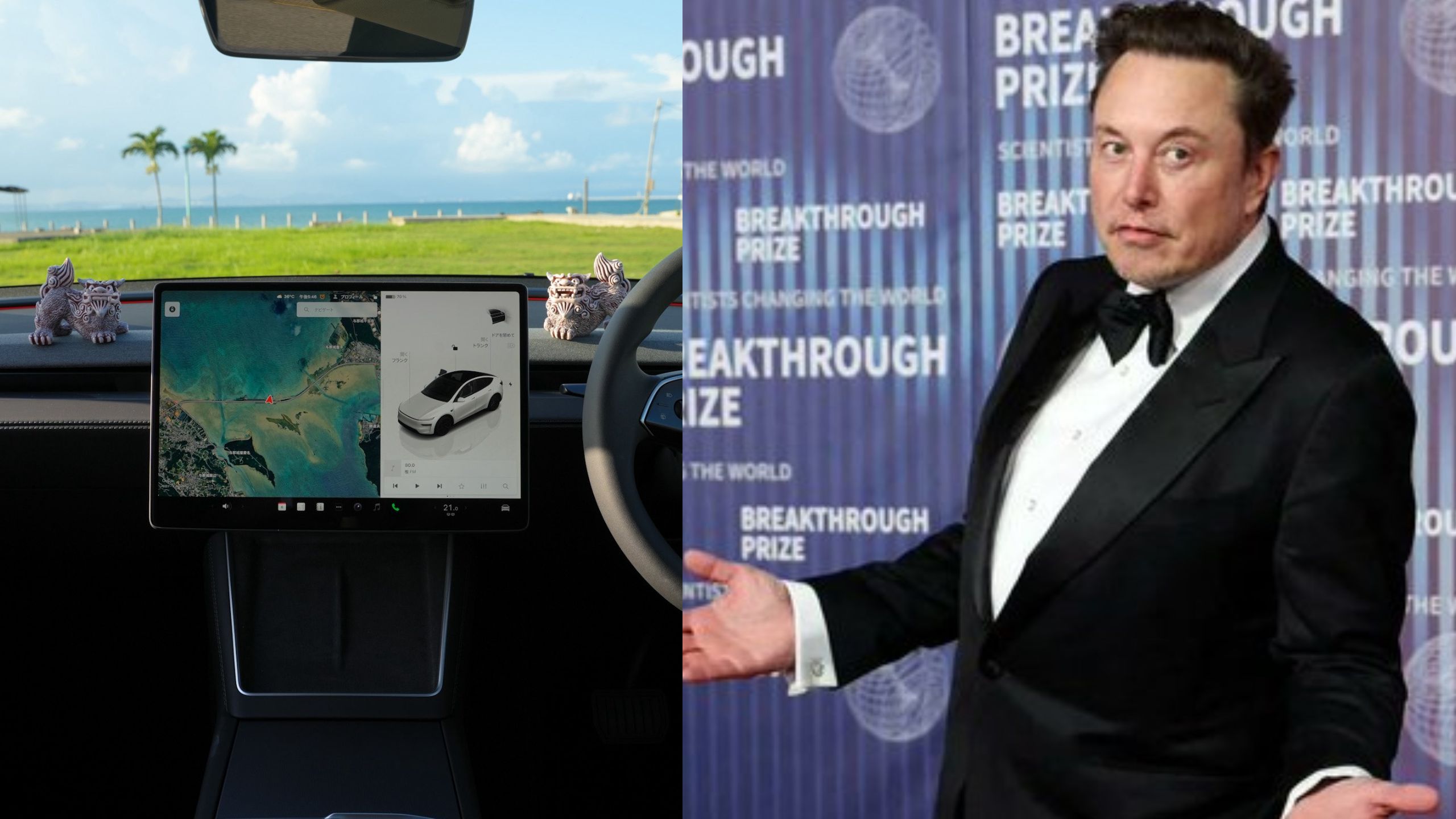
PALO ALTO, Calif. (Diya TV) — Tesla CEO Elon Musk has once again made headlines, but this time the spotlight is on a project that may be ending sooner than expected. Just weeks after praising Tesla’s Dojo supercomputer as “really spectacular,” reports say the company has shut down the ambitious AI program. The move raises questions about Tesla’s AI future and Musk’s credibility.
On July 23, Musk took part in Tesla’s quarterly earnings call. He described Dojo as a groundbreaking supercomputer designed to train neural networks. These networks help power Tesla’s Full Self-Driving (FSD) technology and the company’s humanoid robot, Optimus.
Musk called the next version, Dojo 3, “really spectacular” and spoke about an “AI factory” that would be key to Tesla’s growth. He also mentioned plans to scale Dojo 2 within a year and hinted at convergence between Dojo chips and Tesla’s cars and robots. The tone was confident and optimistic.
Less than a month later, Bloomberg reported that Tesla had quietly ended the Dojo project. The news shocked investors and the tech community. Sources told Bloomberg that Peter Bannon, the leader of Dojo, had left Tesla. About 20 team members joined a startup called DensityAI, while others were reassigned. This sudden change suggests internal problems long before the report surfaced. Tesla aimed to build its own chips to reduce reliance on Nvidia, a major player in the AI chip market. However, the project was costly and risky.
Critics quickly pointed out the stark contrast between Musk’s July statements and the reported shutdown. Many Tesla fans and investors voiced frustration online. Some called Musk’s promises misleading, suggesting he knew the project faced challenges but kept hyping it to maintain interest. Others urged caution, saying Bloomberg’s story might not tell the whole picture. Some believed only part of the Dojo program was canceled, not the entire effort.
Tesla and Musk have a history of bold predictions followed by setbacks. In 2015, Musk promised fully autonomous cars within three years. Nearly a decade later, Tesla’s FSD system is still far from complete.
This cycle of high hopes followed by delays has earned Musk comparisons to Apple’s Steve Jobs, who was known for his “reality distortion field.” Musk uses this approach to push his companies to innovate but sometimes misses deadlines or changes course abruptly.
If the Dojo shutdown is confirmed, it could damage Musk’s credibility with investors and customers. The project was pitched as a core part of Tesla’s AI strategy and future. Its sudden end may signal deeper challenges for Tesla’s ambitions in artificial intelligence.
Tesla has not commented on Bloomberg’s report. The company’s next steps remain unclear, but the situation highlights the risks of relying heavily on visionary promises without delivering on time.
Elon Musk’s Dojo project promised to revolutionize Tesla’s AI capabilities. Yet, the recent report of its shutdown shows the difficulties in turning ambitious ideas into reality. For Tesla, balancing vision with execution will be key to maintaining trust and leadership in the fast-moving AI and electric vehicle markets.
As Tesla moves forward, investors and fans will be watching closely to see how Musk’s vision matches up with actual results.