
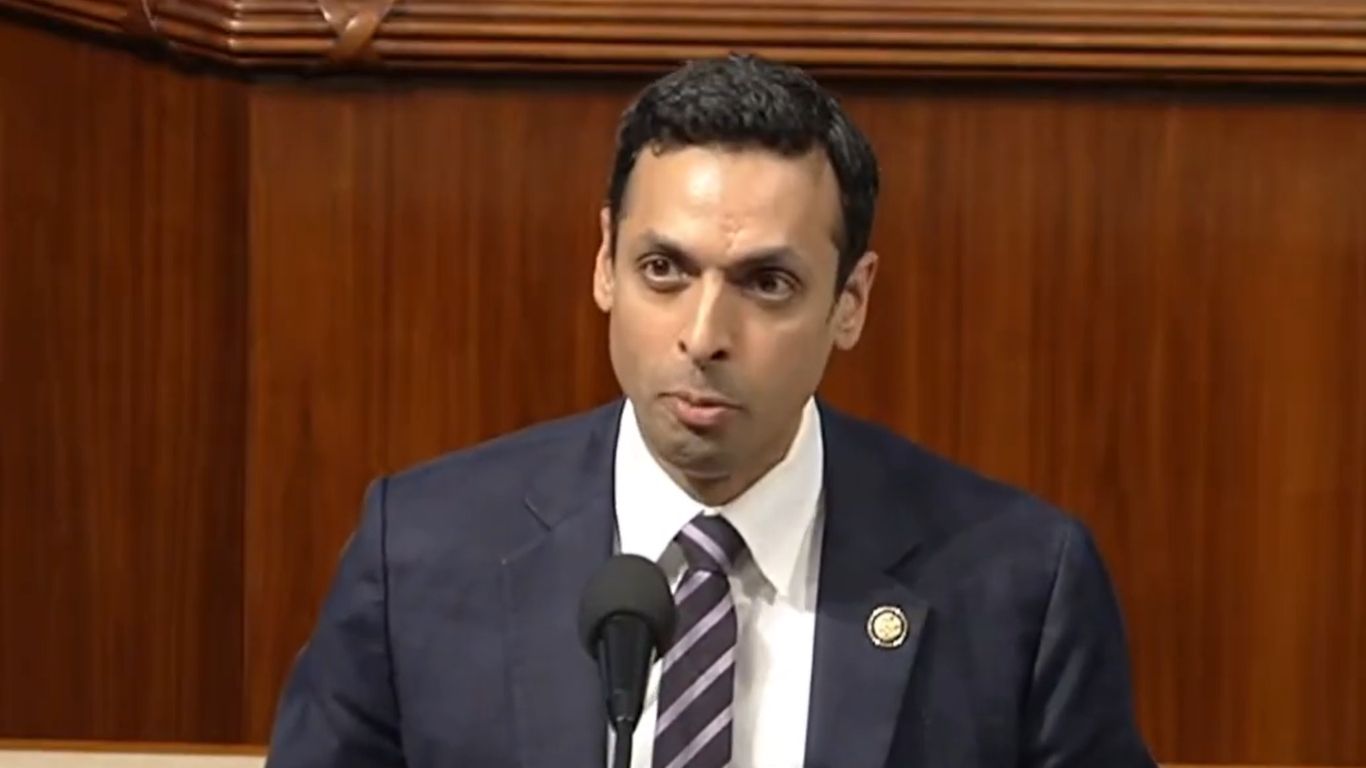
WASHINGTON (Diya TV) — A bipartisan group of lawmakers has introduced new legislation aimed at tightening accountability in Congress by targeting pension benefits for members convicted of serious crimes. The proposal, called the Congressional Pension Integrity Act, was introduced on April 21 by Suhas Subramanyam, a Democrat from Virginia, and co-led by Republican Anna Paulina Luna. The bill seeks to prevent lawmakers convicted of a wider range of criminal offenses from receiving taxpayer-funded pensions.
Under current federal law, members of Congress can lose their pensions if convicted of certain crimes, mainly tied to corruption or abuse of office. However, existing rules do not consistently cover sexual misconduct or violent offenses. The new bill aims to close those gaps. It would expand pension disqualification to include crimes such as sexual assault, rape, sex trafficking, and abuse of a minor. It also targets violent crimes, election fraud, embezzlement, bribery, and obstruction of justice.
Lawmakers who violate House rules through sexual relationships with staff, harassment, or assault would also face pension loss under the proposal. Subramanyam said the bill responds to growing public frustration over accountability in government.
“Members of Congress should meet high standards,” he said. “Taxpayers should not fund pensions for those who commit serious crimes while in office.”
The legislation has drawn support from both parties, highlighting rare bipartisan agreement on ethics reform. Co-sponsors include Lauren Boebert, Emily Randall, Nancy Mace, and James Walkinshaw. Randall emphasized that current standards fall short. She said lawmakers already lose pensions for corruption and treason, and sexual crimes should carry similar consequences.
“Americans expect accountability,” Randall said. “We must treat sexual assault and harassment with the same seriousness.”
Luna echoed that message. She said no lawmaker convicted of sexual assault should continue receiving taxpayer-funded retirement benefits.
“This is basic accountability,” Luna said. “It should not depend on party.”
The bill comes at a time when public trust in elected officials remains under pressure. Recent controversies have fueled debate about ethics rules and enforcement in Congress. Advocacy groups have also pushed for stronger measures. Citizens for Responsibility and Ethics in Washington, known as CREW, supports the legislation. Debra Perlin, CREW’s vice president for policy, said the current system allows some convicted lawmakers to retain benefits despite serious misconduct.
“Lawmakers who commit violent crimes should not continue receiving taxpayer-funded pensions,” she said.
Members of Congress participate in the federal retirement system. They become eligible for pensions after meeting age and service requirements. Benefits are funded by taxpayers and contributions from lawmakers. Past reforms have tightened rules, especially after high-profile corruption cases. However, those changes focused mainly on financial crimes and national security violations.
As a result, gaps remain. Some offenses, including sexual misconduct, do not automatically trigger pension loss. The new bill seeks to create a broader and more consistent standard. Supporters argue it would align pension rules with public expectations and ethical norms.
The Congressional Pension Integrity Act will need approval from both chambers of Congress before it can become law. Lawmakers may debate the scope of offenses and enforcement mechanisms as the bill moves forward. Still, early bipartisan support could improve its chances.
Supporters say the measure sends a clear message. They argue that holding lawmakers accountable strengthens public trust in government. Critics, if any emerge, may raise concerns about due process or the definition of disqualifying offenses. However, backers insist the bill targets only those convicted of serious crimes.