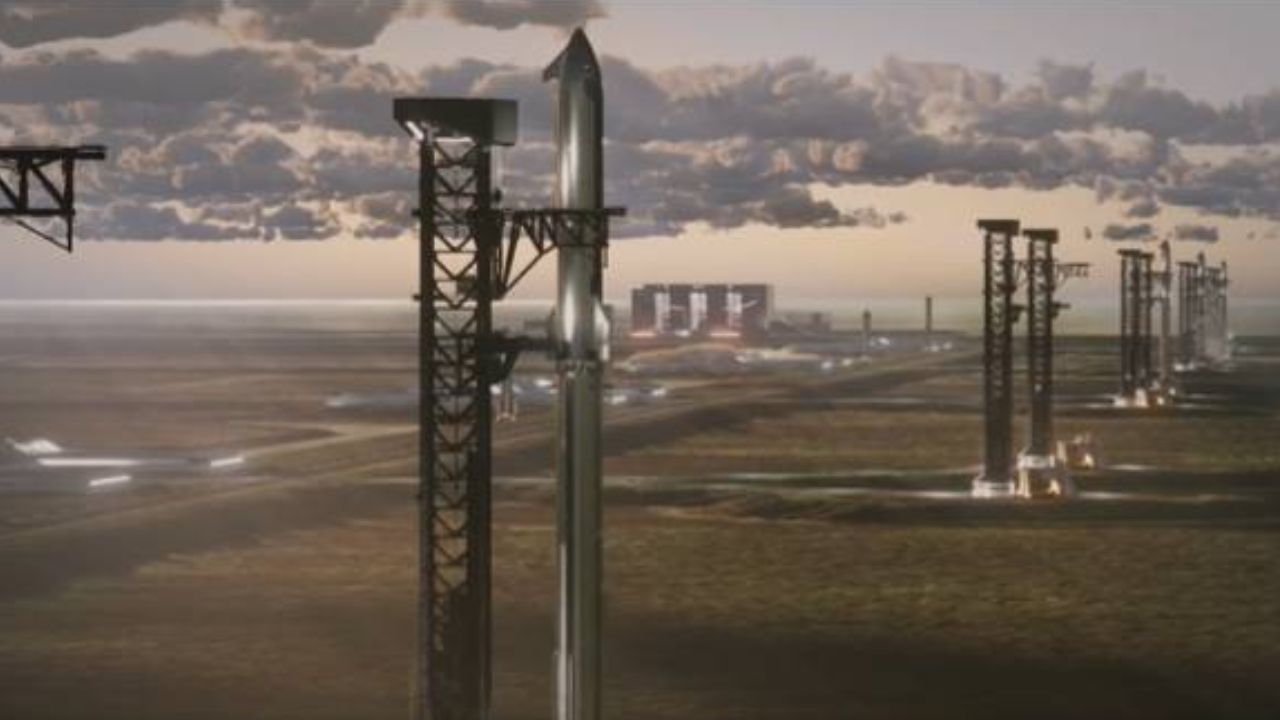
VERMILION PARISH, La. (Diya TV) — SpaceX plans to build its largest launch site yet in Louisiana, expanding the company’s growing Starship program beyond Texas and Florida. The $100 billion project, called Starbase Louisiana, could transform the state into one of the world’s busiest space launch centers.
SpaceX announced the plan Tuesday, Aug. 25. Construction could begin in 2027. The company aims to launch its first Starship flight from the new site in 2029.
The planned facility will cover about 125,000 acres near the southern coast of Vermilion Parish. SpaceX says it wants the site to support thousands of Starship flights each year.
SpaceX expects the facility to create about 3,000 direct jobs. The company also estimates that the project could create more than 8,100 additional jobs indirectly.
The company currently develops and tests Starship at Starbase in Texas. That site has hosted 13 Starship test flights. However, Louisiana would take on a different role if SpaceX reaches its goals. The company plans to build numerous launch towers at the new facility. The towers would support a rapid launch system. They would also help SpaceX recover returning rockets and spacecraft.
The company wants to catch, land, and reuse major parts of Starship after each mission. That goal could reduce the cost of space launches over time. It could also allow SpaceX to conduct missions at a much higher rate than traditional launch systems.
SpaceX CEO Elon Musk said the Louisiana facility could eventually have more than a dozen launch towers. He said the site could support more than 30 Starship flights per day. If SpaceX reaches that target, the facility could become the largest launch site on Earth.
Meanwhile, SpaceX continues to operate other launch facilities in the United States. Its Falcon 9 rockets regularly fly from Florida and other locations. The Louisiana project comes weeks after another SpaceX incident involving a Falcon 9 rocket. On Aug. 5, a Falcon 9 rocket crashed into the moon and created a crater about 60 feet wide. NASA’s Lunar Reconnaissance Orbiter later captured images of the impact area from about 60 miles above the lunar surface.
SpaceX continues to pursue an ambitious future for its rockets.