BAKERSFIELD, Calif. (Diya TV) — Indian Americans have long stood out as one of the most successful immigrant groups in the United States. They are the largest Asian subgroup in several key swing states. They also hold the highest median household income of any ethnic group, nearly double that of white households.
Many Indian Americans have traditionally supported Democrats. In recent elections, however, a notable share backed President Donald Trump. Now, some members of the community say they feel caught in the crosshairs of policies and rhetoric that increasingly focus on immigration and race.
That shift has hit Sikh Americans especially hard. Roughly one-quarter of Sikh adults in the U.S. work in the trucking industry, according to the North American Punjabi Trucking Association. Many operate along the West Coast, where goods move daily between farms, ports, and cities. Two fatal crashes involving Sikh truck drivers since August have intensified attention on immigrant drivers. The crashes killed six people. Federal officials responded with stricter enforcement and new English-proficiency and licensing guidelines. Moreover, many Sikh truckers have come to America on asylum, a program under intense scrutiny under the Trump administration.
Transportation Secretary Sean Duffy said foreign drivers without proper training or valid licenses pose a safety risk. He warned states, including California, that federal highway funds could be withheld if improperly issued commercial licenses were not revoked. California officials later said audits found that more than 25% of commercial driver’s licenses reviewed had issues. The state DMV began revoking licenses, affecting at least 17,000 drivers.
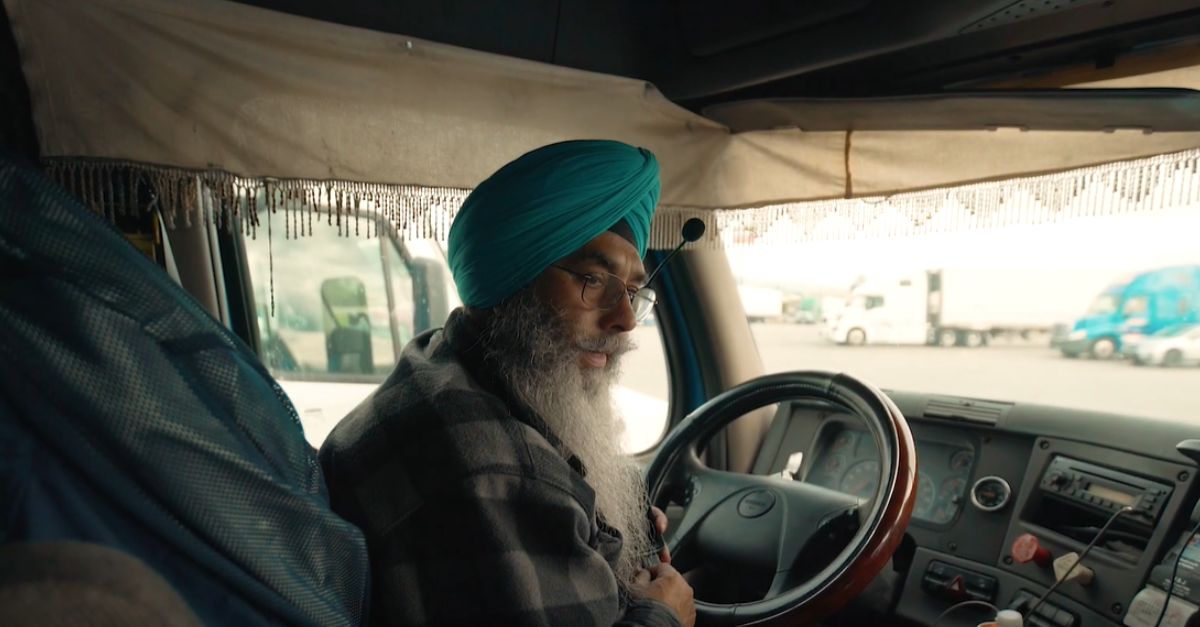
Sikh drivers say the crackdown has fueled fear and harassment. Many wear turbans, which makes them visible targets. Raman Dhillon, head of the North American Punjabi Trucking Association, said his group has received hateful messages telling Sikh drivers to leave the industry and the country.
“These drivers are not criminals,” Dhillon said. “Most follow the rules and keep the roads moving.”
Arash Singh, a 25-year-old long-haul driver from Punjab, knows that fear well. He hauls produce up and down Interstate 5, often driving more than 1,000 miles per trip. He came to the U.S. seeking asylum in 2022 and later earned a commercial license and work permit. In November, Singh received a letter warning that his license would be canceled unless he could show permanent residency or citizenship. He had neither.
“I want to work,” Singh said. “Right now, I am stuck.”
A federal appeals court later paused the new rules. For now, Singh remains on the road.
Sikh involvement in American trucking dates back to the 1980s. Many Sikhs fled India after violent crackdowns and anti-Sikh riots in 1984. They joined relatives in California’s Central Valley, first working in agriculture and later filling trucking jobs as older drivers retired. Today, an estimated 150,000 Sikhs work in U.S. trucking. The industry offers a steady income and a clear path for new immigrants.
Dave Laut, a Sikh American business owner in Bakersfield, built a large trucking company after arriving from Punjab in 2004. His firm now employs about 380 drivers, most from India. Laut voted for Trump three times, citing economic growth and support for workers. Now, he says the policies are hurting the same blue-collar drivers who supported the president.
“These are safe drivers with clean records,” Laut said. “They are being targeted.”
Industry leaders support tougher rules. The American Trucking Associations says drivers without legal status should not hold commercial licenses. The group argues that missing driving records from other countries make enforcement harder.
Federal data shows truck driver employment rose about 15% since the pandemic. Fatal truck crashes fell about 11% last year. Critics say the issue has shifted away from safety. Bakersfield City Council member Manpreet Kaur, who comes from a Sikh trucking family, said the crackdown has become an immigration fight.
“People are scared,” Kaur said. “This community feels singled out.”
On the highway, Singh now avoids states where he fears traffic stops. He no longer wears his turban while driving to avoid attention. He worries about falling behind on his $2,000-a-month truck loan if his license is revoked.
“I miss home every day,” he said. “But it is safer for me here. I just want to work and support my family.”
For many Sikh truck drivers, the road ahead remains uncertain, even as the nation depends on many of them to keep goods moving.