WASHINGTON (Diya TV) — The South Asian Bar Association of North America Foundation strongly condemned a new presidential executive order that imposes a $100,000 fee on H-1B visa petitions. The group called the move “unacceptable and unjust,” warning that it will create fear and confusion among immigrant workers and their families.
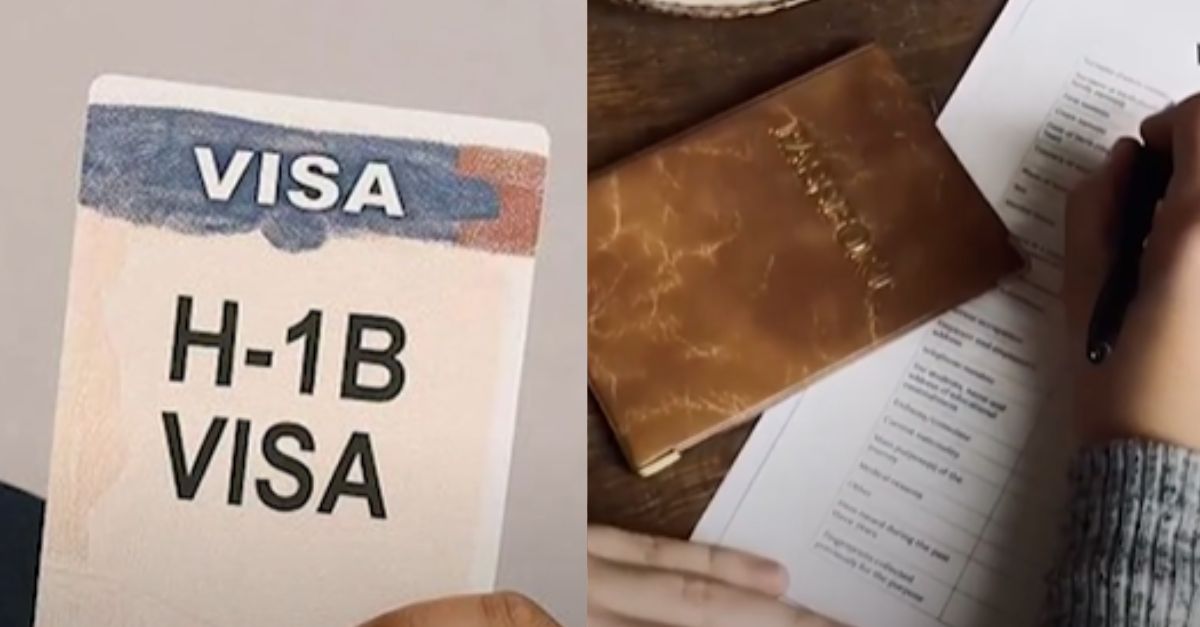
The executive order, announced earlier this month, requires employers to pay a $100,000 filing fee for each H-1B visa petition. The fee applies to both new applications and extensions. The policy has quickly drawn backlash from immigrant advocacy groups, legal experts, and business leaders.
The South Asian Bar Association of North America Foundation (SABA Foundation) said the fee unfairly targets South Asian immigrants, particularly those working in technology, medicine, and research. The group noted that South Asian professionals make up a significant portion of H-1B visa holders in the United States.
In a statement, the SABA Foundation stressed that immigrants have long driven growth in the U.S. economy. The organization said that the new fee punishes skilled workers who have contributed to innovation, job creation, and the competitiveness of American businesses.
“The executive order undermines decades of contributions from South Asian immigrants,” the group said. “It sends a message that skilled workers are not welcome, even though they play a vital role in America’s economy.”
Advocates warn that the $100,000 fee could discourage companies from sponsoring foreign talent. Smaller businesses and startups may not be able to afford the cost, forcing them to scale back or shift jobs overseas.
The SABA Foundation also raised concerns about the human cost of the policy. Many immigrant families rely on the H-1B visa program for stability. The new rule, they said, will create uncertainty and fear among workers who already face long processing delays and limited pathways to permanent residency.
“This policy will not only harm workers but also disrupt families who are building their lives in the United States,” the statement said. “Children and spouses of H-1B visa holders will suffer from the instability this executive order creates.”
Legal experts predict challenges to the executive order in federal court. Immigration attorneys argue that the administration may have exceeded its authority by imposing such a high fee without congressional approval.
The order comes at a time of growing debate over U.S. immigration policy. Business groups and technology companies have long supported the H-1B program, saying it helps fill critical labor shortages. Critics of the program argue it takes jobs from American workers, a claim many economists dispute.
Lawmakers are also weighing in. Some members of Congress have expressed concern that the executive order could damage the country’s ability to attract global talent. Others support the policy, saying it will protect American jobs.
The H-1B visa program has been especially important for South Asian immigrants, who make up a large share of applicants each year. Many of these workers are employed in the tech industry, which has fueled growth in U.S. innovation hubs like Silicon Valley.
By singling out these communities, the SABA Foundation said, the order risks deepening discrimination and marginalization. “This policy unfairly burdens South Asian immigrants,” the group said. “It ignores the vital role they play in America’s success.”
The SABA Foundation urged the administration to reconsider the executive order and work toward fair, inclusive immigration policies. The group called for reforms that recognize the contributions of immigrant workers and support their families.
“America’s strength has always come from its diversity,” the statement said. “Policies that punish immigrants weaken the very fabric of our nation.”
As the debate continues, immigrant advocates, business leaders, and legal experts are preparing for a prolonged fight. For many families, the stakes could not be higher.