
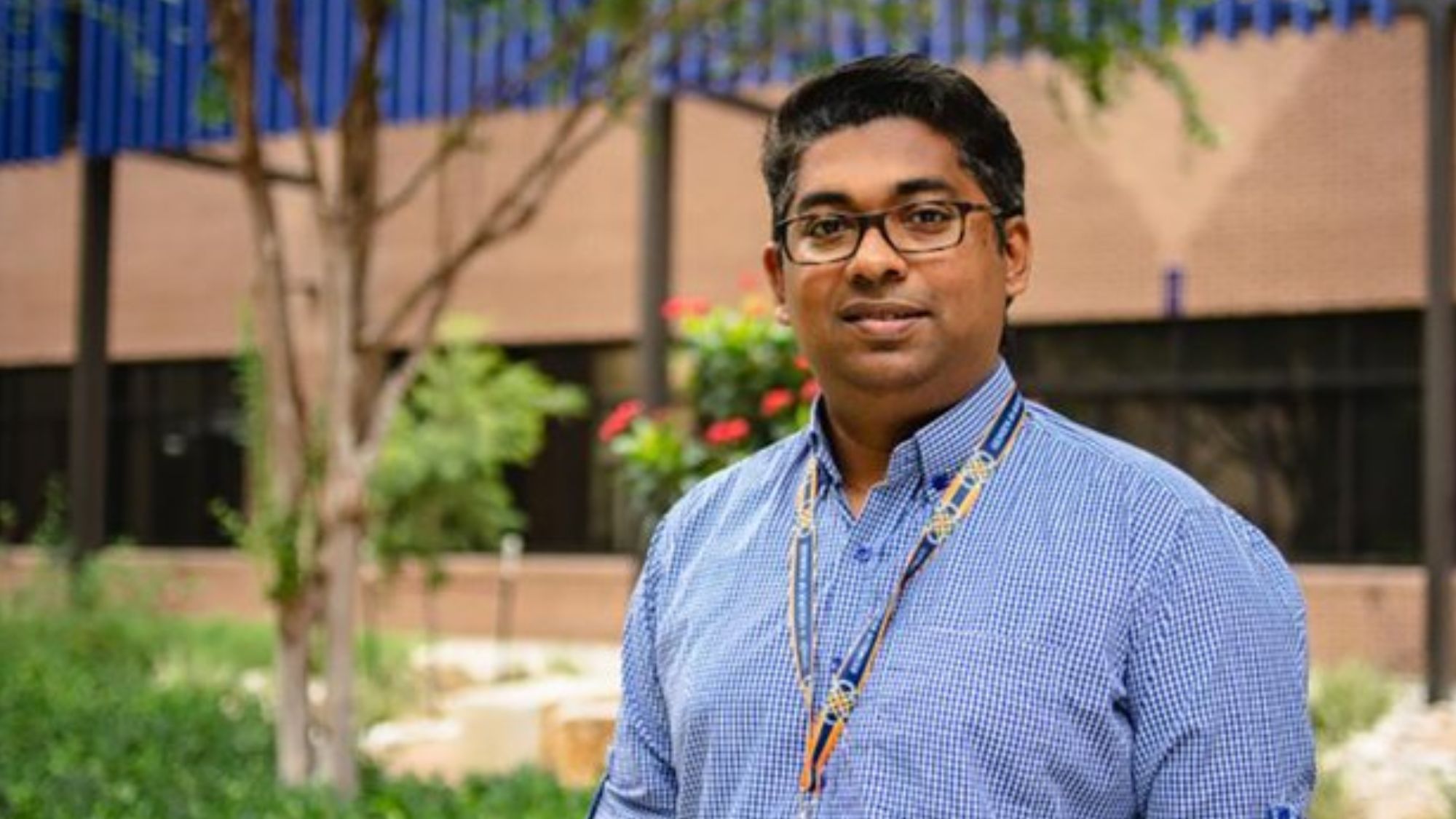
FAYETTEVILLE, Ark. (Diya TV) — Rupesh Kariyat, an Indian-origin crop entomologist, has been appointed to the prestigious Clyde H. Sites Endowed Professorship in International Crop Physiology at the University of Arkansas System Division of Agriculture. Kariyat joined the Arkansas Agricultural Experiment Station in 2022. He serves as an associate professor in the Department of Entomology and Plant Pathology at the University of Arkansas. He also holds an appointment with the Arkansas Cooperative Extension Service.
His work focuses on insect-plant interactions and sustainable agriculture. Kariyat is widely recognized for his research in plant defense responses. He explores how crops react to both biotic stress, such as pests and pathogens, and abiotic stress, including drought and extreme temperatures. His goal is to develop more resilient crop varieties that can thrive under changing environmental conditions.
“With the additional resources available, we hope to better understand plant response to stressors,” Kariyat said. “Our goal is to build resilient crops that benefit Arkansas and beyond, while also developing new pest management tools.”
He currently leads a team that includes five Ph.D. students and one master’s student. His lab is supported by funding from the National Science Foundation–National Institute of Food and Agriculture (NSF-NIFA) Plant Biotic Interactions program, USDA’s Natural Resources Conservation Service, the Arkansas Biosciences Institute, and various industry partners. Ken Korth, head of the Department of Entomology and Plant Pathology, praised Kariyat’s contributions since his arrival at the university.
“Dr. Kariyat came to us with a wealth of experience in plant defense responses and has quickly built a strong research program,” Korth said. “He excels in research, teaching, and extension. He is very deserving of this professorship, which will help him become even more productive and impactful.”
The Clyde H. Sites Endowed Professorship was established in 2004 by the Ben J. Altheimer Charitable Foundation Inc. The foundation is a longtime supporter of the University of Arkansas System and its agricultural initiatives. Before joining the University of Arkansas, Kariyat served at the University of Texas Rio Grande Valley. His academic journey began in India, where he earned his bachelor’s degree in agricultural science from Kerala Agricultural University in 2003. He went on to complete a master’s in agronomy from the University of Wyoming in 2007.
In 2012, he earned his Ph.D. from Pennsylvania State University, specializing in insect-plant interactions. He later conducted postdoctoral research at ETH Zurich in Switzerland and did fieldwork in Greece. These international experiences have enriched his scientific approach and broadened the global relevance of his work.
Kariyat’s work aligns closely with the mission of the Arkansas Agricultural Experiment Station, which focuses on solving agricultural problems and supporting farmers through research. His appointment strengthens the university’s commitment to advancing international crop physiology and sustainable agriculture practices.
He teaches courses through the Dale Bumpers College of Agricultural, Food and Life Sciences, sharing his knowledge with the next generation of agricultural scientists. In addition to his research and teaching, Kariyat also contributes to the outreach efforts of the Arkansas Cooperative Extension Service. Kariyat expressed gratitude to the Division of Agriculture and the Bumpers College administration for their support. He also thanked Korth and both current and former members of his lab.
“I am honored to receive this prestigious endowed professorship,” he said. “This support will allow us to expand our research and make a difference for Arkansas farmers and the global agricultural community.”
As climate change and pest pressures continue to challenge agriculture, Kariyat’s research provides critical insights. By studying the natural defenses of plants and developing new pest management strategies, he hopes to make farming more sustainable and productive. His appointment marks an important step in the university’s efforts to promote innovation in agriculture. With his leadership, the Clyde H. Sites Endowed Professorship will continue to drive advancements in crop science that benefit both local communities and global food systems.