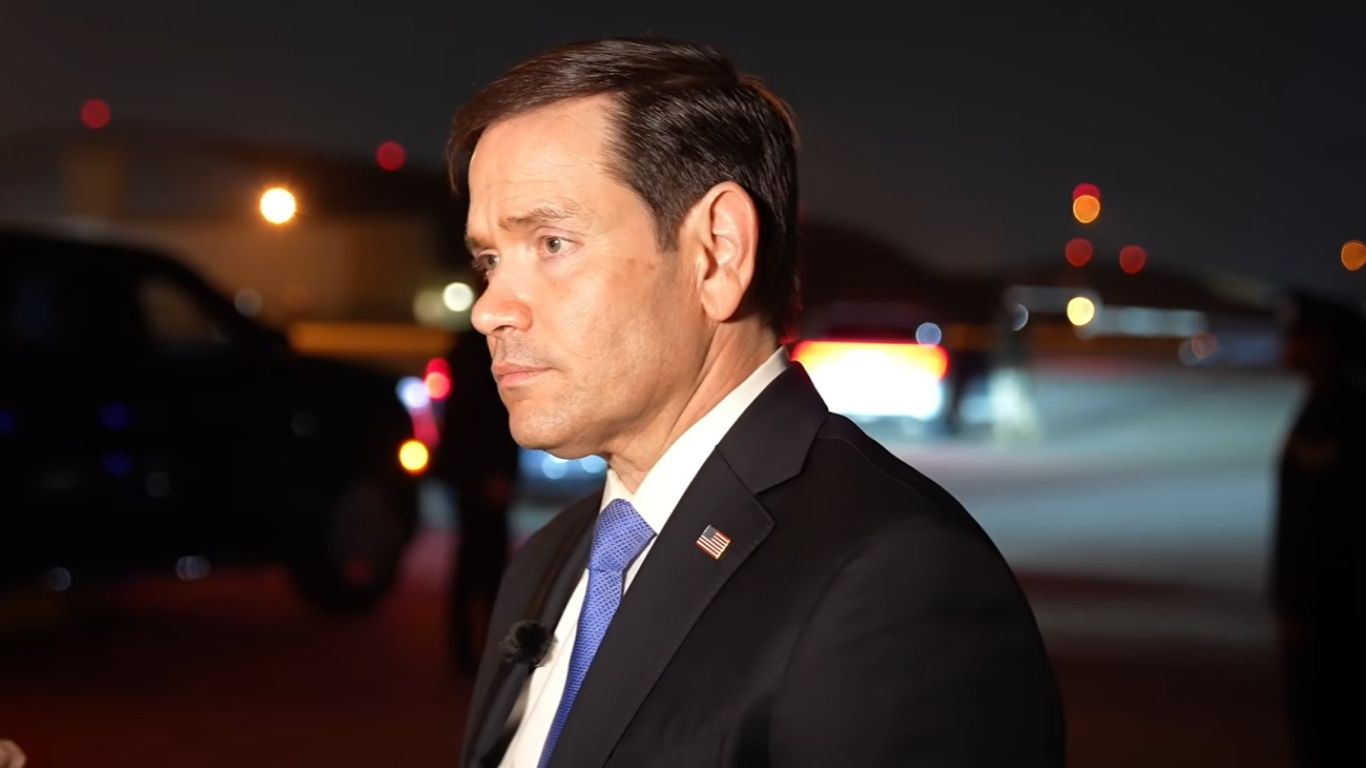
WASHINGTON (Diya TV) — Secretary of State Marco Rubio will meet India and other Quad partners during his trip to Southeast Asia this week. The visit comes as the United States and China prepare for an expected visit by Chinese President Xi Jinping to Washington in September. At the same time, the trip highlights the growing importance of the Indo-Pacific region and Washington’s effort to strengthen ties with key allies.
Rubio said the Association of Southeast Asian Nations, or ASEAN, Summit will serve as the main focus of his visit. However, he also plans to hold several bilateral and regional meetings with partners across the region. As a result, the trip will cover a wide range of diplomatic issues.
Speaking to reporters before departing from Joint Base Andrews, Rubio said ASEAN remains the primary platform for U.S. engagement in Southeast Asia. He added that the summit provides an important opportunity to strengthen regional partnerships and discuss shared priorities.
Rubio confirmed that he will meet foreign ministers from the Quad, which includes India, the United States, Japan and Australia. The four countries continue to expand cooperation on regional security, critical technologies, infrastructure, health and disaster response. In recent years, the group has increased its focus on maintaining a free and open Indo-Pacific.
In addition, Rubio said he will hold a trilateral meeting with South Korea and Japan. He also expects to meet Vietnam’s foreign minister along with officials from several other countries. Furthermore, the secretary plans to visit the Philippines for the first time since taking office. During that stop, he is expected to meet Philippine President Ferdinand Marcos Jr.
Rubio described the trip as long but important. He said the ASEAN Summit remains one of Washington’s most valuable opportunities to engage directly with leaders from Southeast Asia. Therefore, the administration views the gathering as a key part of its regional strategy.
Meanwhile, Rubio left open the possibility of meeting Chinese Foreign Minister Wang Yi on the sidelines of the ASEAN meetings. He said officials had not finalized those plans. Still, he noted that the United States remains open to direct discussions with China whenever possible.
Reporters also asked Rubio whether he would raise former President Donald Trump’s claims about Chinese interference in the 2020 U.S. presidential election if he meets Wang. However, Rubio declined to discuss potential talking points. He said diplomatic meetings often involve sensitive issues and should remain private.
Even so, Rubio confirmed that preparations continue for an expected visit by Chinese President Xi Jinping to the United States in September. According to Rubio, Chinese officials continue to send advance teams to prepare for the visit. He added that he has received no indication that the trip will change.
The possible visit could provide another opportunity for the world’s two largest economies to manage their complex relationship. Although Washington and Beijing continue to disagree on several issues, both governments have signaled support for maintaining regular communication.
Rubio acknowledged that disagreements between the United States and China will continue. Nevertheless, he stressed that both countries share a responsibility to keep diplomatic channels open. He said ongoing dialogue serves not only both nations but also the broader international community.
Relations between Washington and Beijing remain tense over trade, technology, security and regional influence. Even so, officials from both countries continue to seek opportunities for direct engagement. As a result, high-level meetings remain an important part of managing competition while reducing the risk of conflict.
The Quad also remains a central part of U.S. strategy in the Indo-Pacific. The grouping first began consultations in 2007 before leaders revived the partnership in 2017. Since then, the four countries have expanded cooperation in areas that include maritime security, emerging technology, supply chains and humanitarian assistance.
At the same time, ASEAN continues to play a leading role in regional diplomacy. The organization includes 10 Southeast Asian countries and serves as a major forum for dialogue on political, economic and security issues.