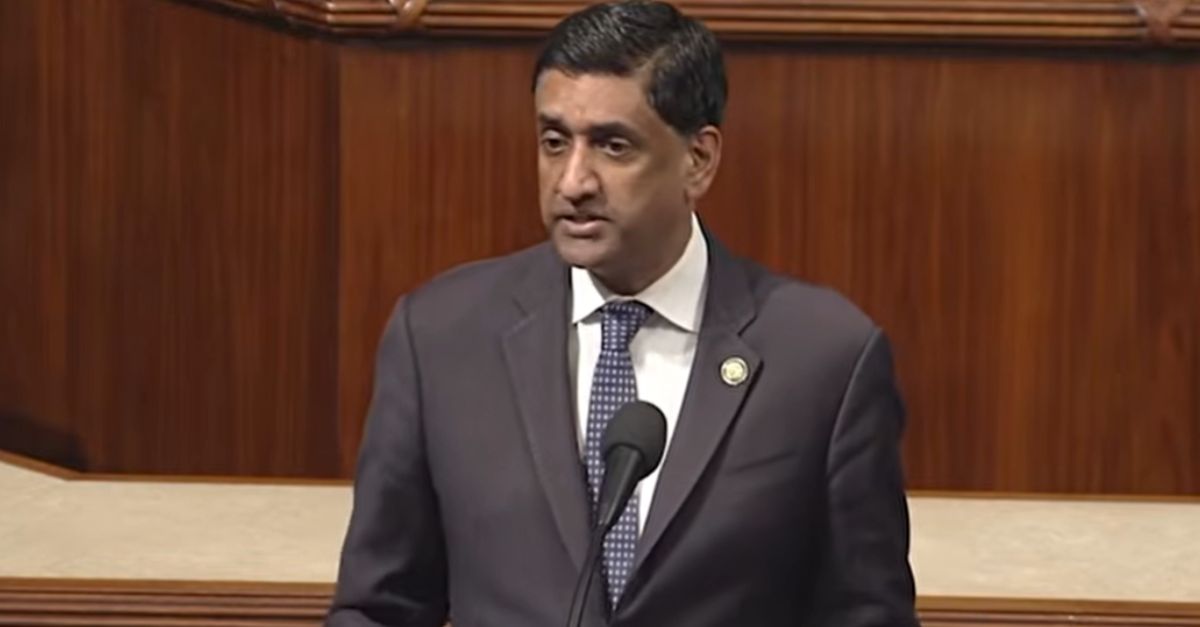
WASHINGTON (Diya TV) — Rep. Ro Khanna says the public deserves answers after he revealed the names of six men whose identities were previously redacted in documents tied to Jeffrey Epstein. Khanna, a California Democrat, disclosed the names during a floor speech after reviewing unredacted files at the U.S. Department of Justice with Rep. Thomas Massie, a Kentucky Republican.
Khanna questioned why the Trump-era Justice Department redacted the names and called for greater transparency in the ongoing scrutiny of the Epstein files. The disclosures have renewed debate over accountability, redactions, and the scope of the federal investigation into Epstein’s network.
Khanna and Massie spent about two hours at the Justice Department reviewing documents related to Epstein, the disgraced financier who died in jail in 2019. Khanna said officials acknowledged that they had mistakenly redacted several names. He then revealed six names on the House floor: Leslie Wexner, Sultan Ahmed bin Sulayem, Nicola Caputo, Salvatore Nuara, Zurab Mikeladze, and Leonic Leonov.
Khanna did not present evidence of criminal wrongdoing against any of the men. None of them has faced charges related to Epstein’s crimes. Khanna argued that if lawmakers uncovered six redacted names in a short review, many more could remain hidden within millions of pages of records.
Epstein pleaded guilty in 2008 to soliciting a minor for prostitution and served a 13-month sentence. Authorities arrested him again in 2019 on federal sex-trafficking charges. He died by suicide in a New York jail while awaiting trial.
Leslie Wexner, 88, founded retail brands including Victoria’s Secret, Bath & Body Works, and Abercrombie & Fitch. He maintained a long financial relationship with Epstein, who managed his investments for years. Media reports have previously detailed Wexner’s role in elevating Epstein’s financial status and social credibility.
Newly reviewed documents indicate that the FBI labeled Wexner as a “co-conspirator” in internal files. However, authorities have not charged him with any crime related to Epstein. A legal representative for Wexner said in 2019 that an assistant U.S. attorney told his counsel that Wexner served as a source of information and was not a target. The representative said Wexner cooperated fully and provided background information about Epstein.
Being named in the Epstein files does not establish guilt. Individuals may appear in documents due to emails, contact lists,s or other references without engaging in criminal conduct.
Sultan Ahmed bin Sulayem leads DP World, a Dubai-based global ports and logistics company operating in more than 80 countries. Recently disclosed documents show that Epstein emailed bin Sulayem in 2015. In one message, bin Sulayem described a past sexual relationship with a woman who attended an American university in Dubai. The email did not indicate that the woman was underage.
Massie also said that unredacted records confirm bin Sulayem received an email from Epstein that referenced a “torture video.” The documents do not show that bin Sulayem responded to or participated in illegal activity. Authorities have not charged him in connection with Epstein.
Khanna also named Nicola Caputo, Salvatore Nuara, Zurab Mikeladze, and Leonic Leonov. Public reporting has identified Nicola Caputo as an Italian politician who served in the European Parliament from 2014 to 2019. However, major news organizations have not confirmed that this individual appears in the Epstein files. Officials have not clarified the identities of the other men or their connections to Epstein.
The Justice Department has not publicly explained why it redacted the names in earlier releases. Khanna called for full transparency and urged officials to release additional information to restore public trust.
The Epstein case continues to draw intense public interest. Lawmakers from both parties have pressed for greater disclosure of investigative files. Many Americans have demanded accountability for anyone who enabled or participated in Epstein’s crimes. Khanna said the American people deserve clear answers about why certain names remained hidden. He stressed that transparency does not imply guilt but supports trust in the justice system.