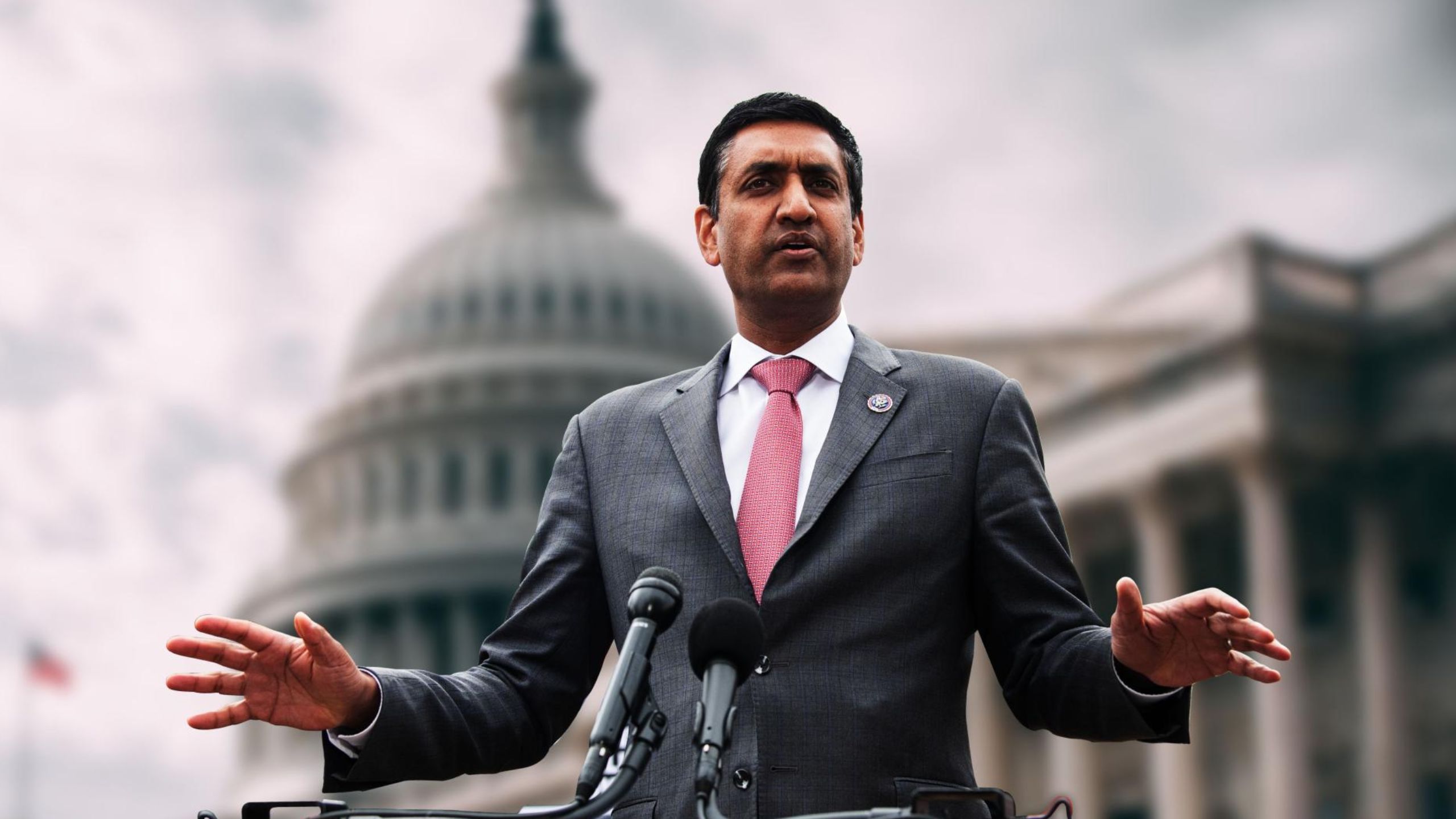
SAN FRANCISCO, Calif. (Diya TV) — Indian American Rep. Ro Khanna could be preparing for a larger political role as allies begin building support for a possible 2028 presidential campaign. Just days after Democrats secured major victories in the Nov. 3 midterm elections, supporters have launched an effort to encourage the California congressman to enter the presidential race.
According to an NBC News report, a group called “Run Ro” has started forming a draft committee to explore support for Khanna’s potential candidacy. Progressive strategist Nomiki Konst and former New York Democratic Rep. Jamaal Bowman lead the initiative.
The committee aims to build a national network of supporters and raise funds while Khanna considers his political future. However, the effort does not mean he has officially announced a presidential campaign. Instead, it gives his allies an opportunity to measure public interest and develop support ahead of the 2028 election.
The initiative comes at a significant moment for the Democratic Party. Democrats recently won control of both the House of Representatives and the Senate in the Nov. 3 midterm elections. The results marked a major setback for President Donald Trump and Republicans. Moreover, several progressive candidates secured notable victories, strengthening the influence of the party’s left wing.
As Democrats begin looking toward the next presidential election, several prominent figures could emerge as potential candidates. Khanna’s name has gained attention because of his national profile, progressive positions, and growing connections with voters across the country.
Khanna represents California’s 17th Congressional District and serves his fifth term in the House. Over the years, he has built a reputation as a progressive voice on economic inequality, health care, foreign policy, and corporate influence.
He has frequently called for policies that address wealth inequality and expand economic opportunities for working families. In addition, he has supported stronger oversight of powerful corporations and greater accountability in government.
Khanna also has experience working with national progressive leaders. He previously served as a co-chair of Sen. Bernie Sanders’ 2020 presidential campaign. That role helped him develop relationships with progressive organizations and voters beyond California.
Furthermore, his association with Sanders has strengthened his position within the progressive movement. His supporters could use those connections to build a broader coalition if he decides to pursue the presidency.
Khanna has already acknowledged that he is considering a presidential campaign. In April, he discussed the possibility during an appearance at the National Action Network convention.
During the event, he spoke with the organization’s founder, Rev. Al Sharpton, about his political vision and the country’s future. His comments brought additional attention to speculation about his presidential ambitions.
Since then, Khanna has continued to increase his national visibility through several political initiatives. For example, he has pushed for the release of documents related to convicted sex offender Jeffrey Epstein. He has also drawn attention for his opposition to the war in Iran.
Meanwhile, Khanna has traveled to early presidential primary states and campaigned for Democratic candidates ahead of the midterm elections. These visits have allowed him to connect with voters, local political leaders, and progressive organizations outside his congressional district.
Consequently, his growing national presence could help him build a foundation for a possible presidential campaign.
Despite the growing interest, Khanna would face several challenges if he decides to seek the Democratic presidential nomination in 2028.
One major obstacle involves his experience in Congress. No sitting member of the House of Representatives has won a presidential election directly since Republican James A. Garfield of Ohio won the 1880 election.
Moreover, a presidential campaign would require significant fundraising, nationwide organization, and support from different groups within the Democratic Party. Khanna would also need to compete with other potential candidates who may have stronger national recognition or executive experience.
Khanna is not the only progressive House Democrat whose name has surfaced in discussions about the 2028 presidential race. As the party assesses its direction after the midterm elections, several figures could seek to shape its future leadership.