KOLKATA, West Bengal (Diya TV) — Political tensions have escalated in India’s eastern state of West Bengal after nearly nine million people had their ability to vote stripped ahead of the 2026 state elections, raising criticism about electoral fairness.
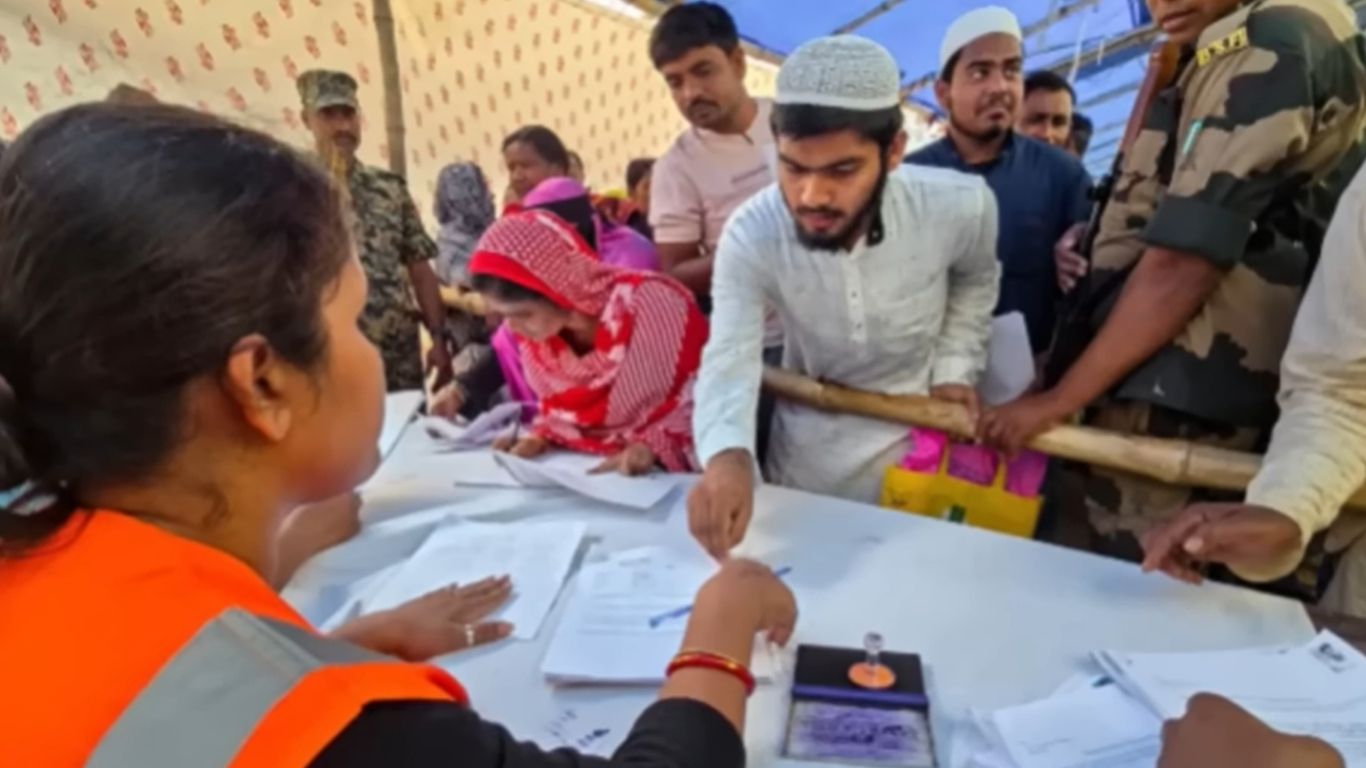
A sweeping revision of electoral rolls has removed about 12% of West Bengal’s 76 million voters. The process, known as the Special Intensive Revision (SIR), aimed to eliminate duplicate and outdated entries. However, it has sparked widespread controversy.
Among those affected is 65-year-old Muhammad Daud Ali, a former Indian Army technician. Despite having valid documents, including a passport and service records, officials removed his name and those of his three children from the voter list. Only his wife remains registered.
Ali’s case reflects a larger crisis. Authorities marked more than 6 million voters as deceased or absent. Another 2.7 million people now face uncertainty as tribunals review their eligibility. Many of them may not regain voting rights before the election dates later this month.
West Bengal will vote on April 23 and April 29. However, millions of voters remain in limbo. The Supreme Court allowed the election process to proceed without resolving all disputes over voter deletions. This decision has intensified criticism. Experts say holding elections while millions lack a confirmed voting status undermines democratic principles. Political scientist Sibaji Pratim Basu called the situation “unprecedented” and warned that suspending voting rights on such a large scale damages public trust.
The voter roll revision has triggered a sharp political conflict. The ruling Trinamool Congress (TMC), led by Chief Minister Mamata Banerjee, has accused authorities of targeting specific communities to benefit the Bharatiya Janata Party (BJP). The Election Commission and BJP leaders deny these claims. They argue that the revision ensures only eligible citizens vote.
Federal minister Sukanta Majumdar defended the process. He said removing non-citizens aligns with constitutional requirements. He also blamed the state government for delays due to legal challenges. Banerjee has strongly opposed the move. She has questioned how elections can proceed while millions of cases remain unresolved. She plans to challenge the process again in court.
The controversy has deepened due to allegations of selective exclusion. Data suggests that Muslims make up about 34% of the deleted voters. This figure exceeds their share of the state’s population. At the same time, many Hindu communities have also faced large-scale deletions. In some urban areas, such as Kolkata, voter rolls dropped by nearly 30%. In districts like Paschim Bardhaman, most removed voters were Hindus from migrant backgrounds.
Border districts near Bangladesh have seen the highest impact. These areas include North 24-Parganas, Murshidabad, and Malda. The deletions reflect local population patterns but have fueled fears of discrimination. Leaders have also linked the revision to efforts to identify alleged illegal migrants. Critics argue that such rhetoric risks targeting minority communities.
Officials used an AI-driven system to identify “logical discrepancies” in voter records. This method flagged millions of cases, including those with long-standing documentation. Critics question the transparency and accuracy of this technology. Many affected voters claim officials excluded them despite submitting proper forms and proof. Even after re-verification, authorities did not restore many names. This has raised concerns about errors and accountability in the system.
The impact on ordinary citizens has been severe. Many feel excluded and powerless. In Malda district, Hasnara Khatun said five members of her family lost their voting rights. She expressed anger and fear about the future.
“We have been effectively turned into non-citizens,” she said. “The system can’t be trusted anymore.”
Ali also voiced frustration. He said he feels insulted and confused about where to seek justice.
Experts warn that voting is more than a legal right. It represents a voice in governance, especially for marginalized groups. Anthropologist Mukulika Banerjee emphasized the emotional and social importance of voting. She said denying this right weakens democratic participation.
As legal battles continue, the situation in West Bengal remains tense. The outcome could shape not only the state’s political future but also broader debates about voter rights and election integrity in India.